The rediscovery of D’entrecasteaux (Dwarf) Owlet-nightjar – Aegotheles plumifer from Normanby Island on 17th November 2026

D’entrecasteaux (Dwarf) Owlet-nightjar is only previously known from four specimens taken in 1883 which are now all in American Museum of Natural History. There were no further sightings until 2003 when Thane Pratt and Michael Moore recorded them on both Fergusson and Normanby. One from Normanby was collected and is now in Hawaii at Bernice Pauahi Bishop Museum.

Barred Owlet-nightjar Aegotheles bennettii has three recognised subspecies, wiedenfeldi, bennettii and plumifer. Plumifer is endemic to the D’entrecasteaux islands of Fergusson, Goodenough and Normanby Island in Milne Bay, Papua New Guinea. The usual elevation of Barred is from sea-level to 800m metres whereas D’entrecasteaux is more of an upland hill species – 465 to 1100m.
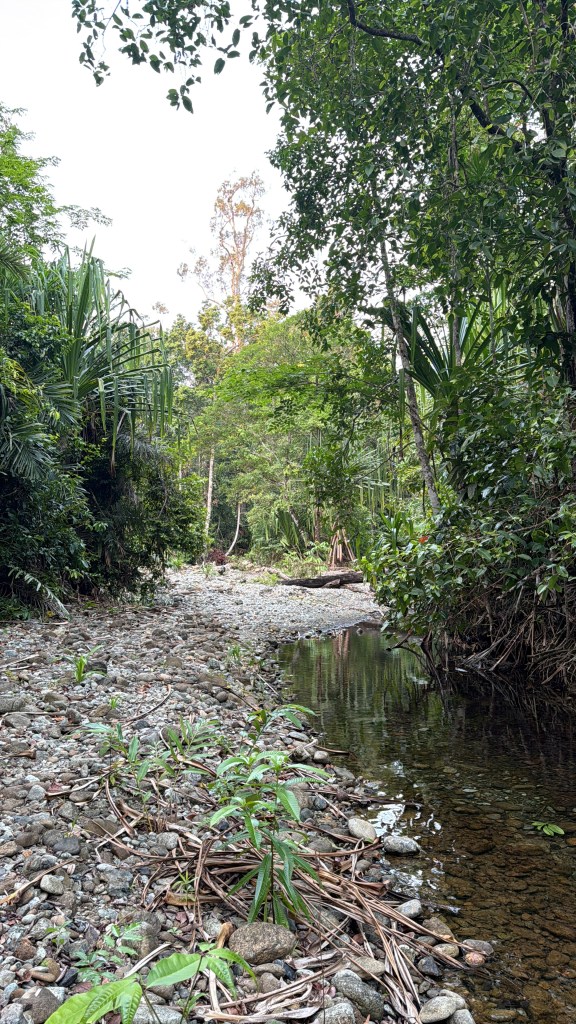
Part of the trail up.

Owlet-nightjars have long fascinated me mainly because of the challenge to see and photograph them not to mention their often-bizarre appearance. After seeing Karimui Owlet-nightjar in 2016 which was driven by my desire to rediscover it after 52 years I was looking for another owlet-nightjar challenge. The plumifer race of Barred seemed a good choice for that challenge as well as it being a good candidate for a ‘new’ species.

So in November 2026 along with my long-suffering birding bud Roger McNeill we set of on a hare brained banana boat journey to the Louisiade Archipelago to search for all the endemic species, once that mission was completed we set about travelling to Normanby. I had been there once before in July 2010, so after seeing the recently split Ochre-bellied Kingfisher I only had one thought which was to get as high as I could on the island aiming for 750m, that was the target elevation I had in mind.
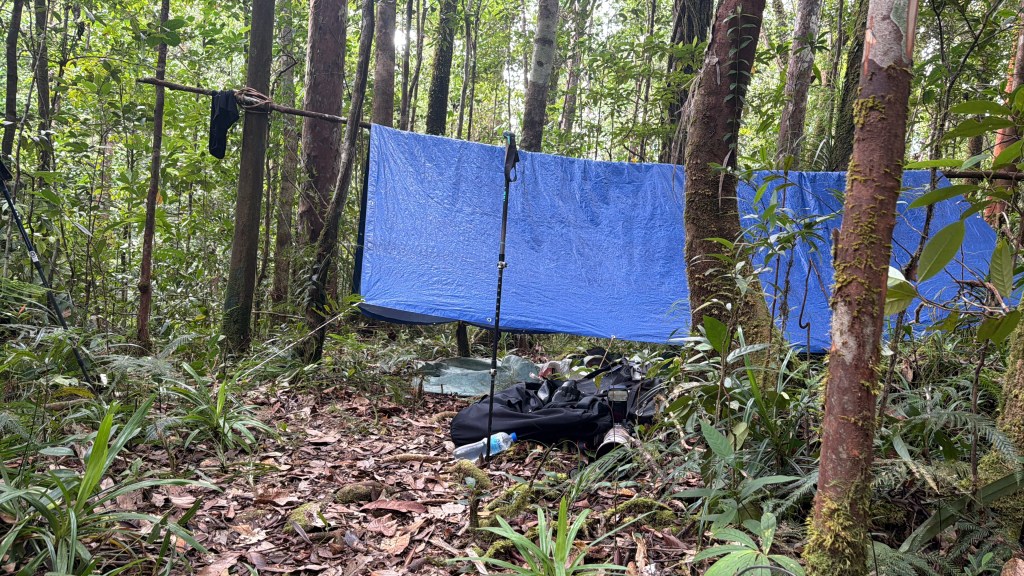
The temporary camp at 550 m

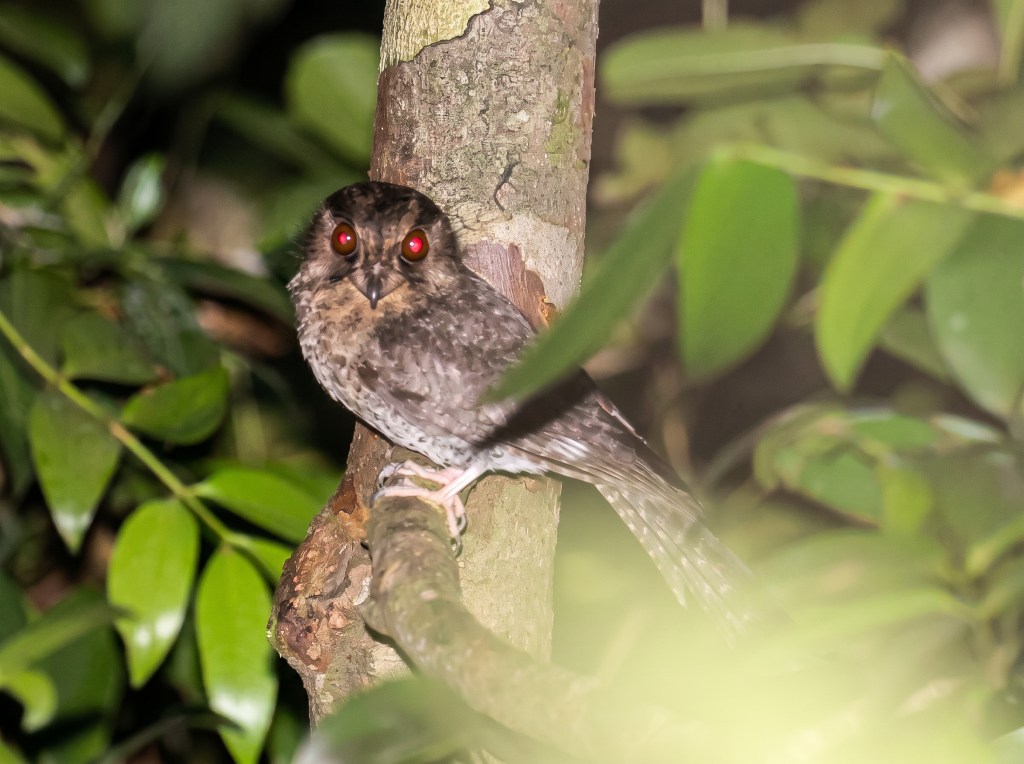
The walk to the Goldie’s Bird-of-Paradise site was around 6km but was a gentle climb with some small river crossings, a little bit tough but nothing too exceptional, very hot and sweaty as expected. After a break to watch the Goldie’s we continued onwards and up aiming to get as far up the trail as possible. The walk was not so easy often walking along the riverbed across the boulders and many stream crossing until we eventually reached some gold miners camps, large blue tarpaulin shelters with enough room to put up two tents and build a fire. As we arrived late in the afternoon, we rested here for the rest of the day and much of the next day before deciding to push upwards to the ridge where I hoped we would find the owlet-nightjar. We set of at 1430 and climbed up to 550m and waited until nightfall. At 1900 as we were drinking some coffee we heard a sound which we immediately recognised as our target, it took some time before I eventually found one in the thermal and we managed to get the spotlights on it, after I had seen it I attempted to get some photographs which was all in the mad scramble to put thermal down, put torch back in my pocket get some balance to take some shots, I fired a few photos off before it flew off, looking at the back of the camera I saw that I had some sharp photos but a large leaf covered its face. What a mix of emotions – we saw it, great – but the desire and need to get great photos perhaps overrides the actual observations so I was actually not so pleased and rather, well you can guess. Roger was happy with his view and the sound recordings so he decided to head back to camp, the long potentially dangerous walk back down in the dark. I was driven by my desire to improve my photos all the time cursing myself on how I should have done better, one step forward maybe or one step to the side and I would have been satisfied. It was indeed a long wait until I heard it again this time lower down, as they were not tape responsive, I had to rely on creeping up and searching with my thermal as I have given up using the recordings I made earlier. This attempt to see was fruitless and as it had gone quiet and no sign in the thermal, I grumpily headed back up to the temporary shelter and drank more coffee, at around 2300 there was more calls from the same place down from the camp so I crept back down and I saw two birds flying around in the thermal and thankfully one perched side on and I was able to get some vastly improved photos, this time head in full view as well, actually pretty good pictures so I was pleased even though I was worried that the flash was bouncing of a closer tree. On this much longer view I was able to note several interesting plumage features I had not seen in that first panicked view.

link to my ebird checklist which contains the recordings

eBird Checklist – 17 Nov 2026 – Miners camp to owlet nightjar ridge 550m – 13 species
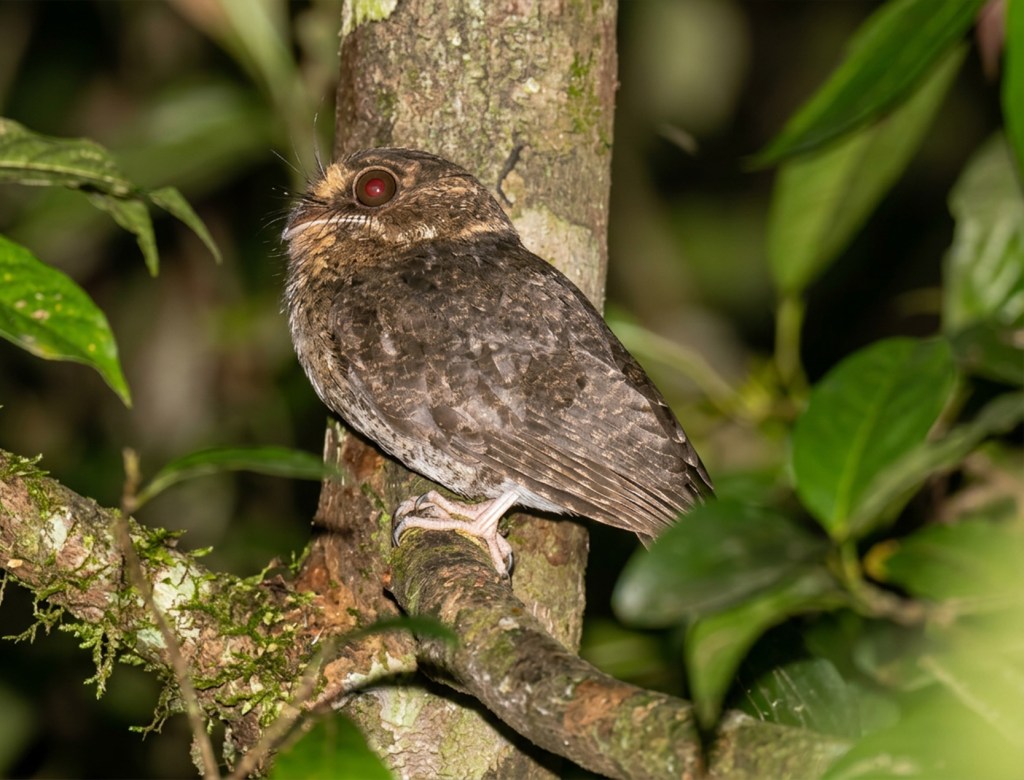
In this photograph there are several areas around the face showing paler buffy areas which is not present in the mainland Barred Owlet-nightjars, the mantle and wing feathers are edged with pale brown rather than the greyer shown on the Barred.
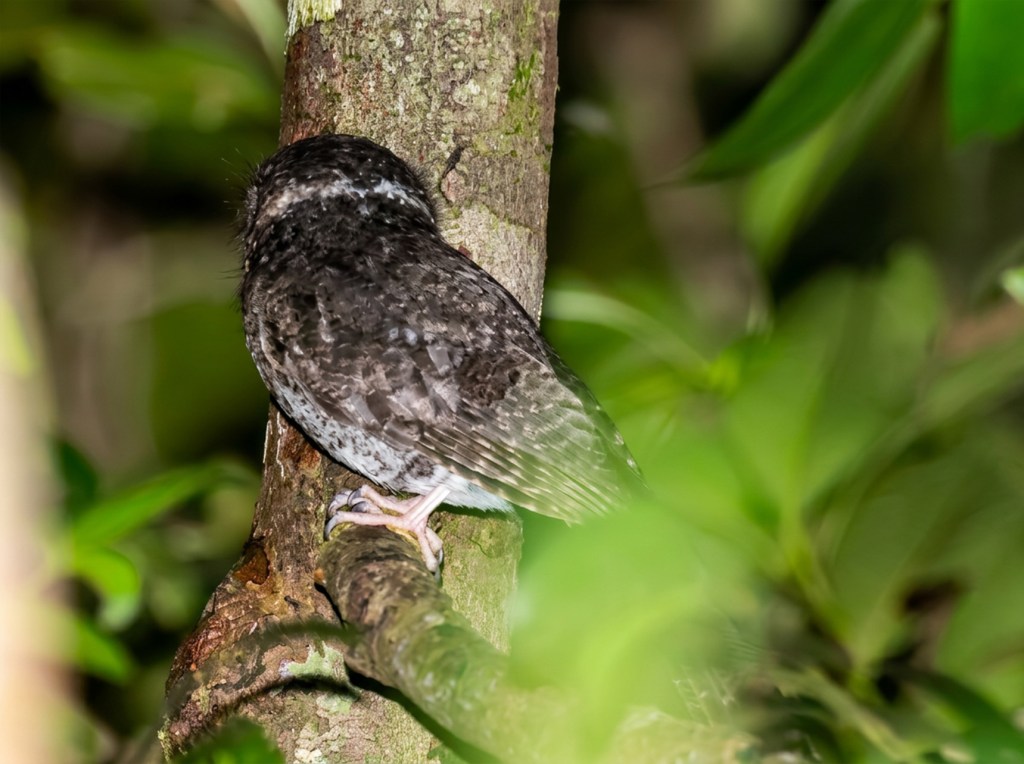
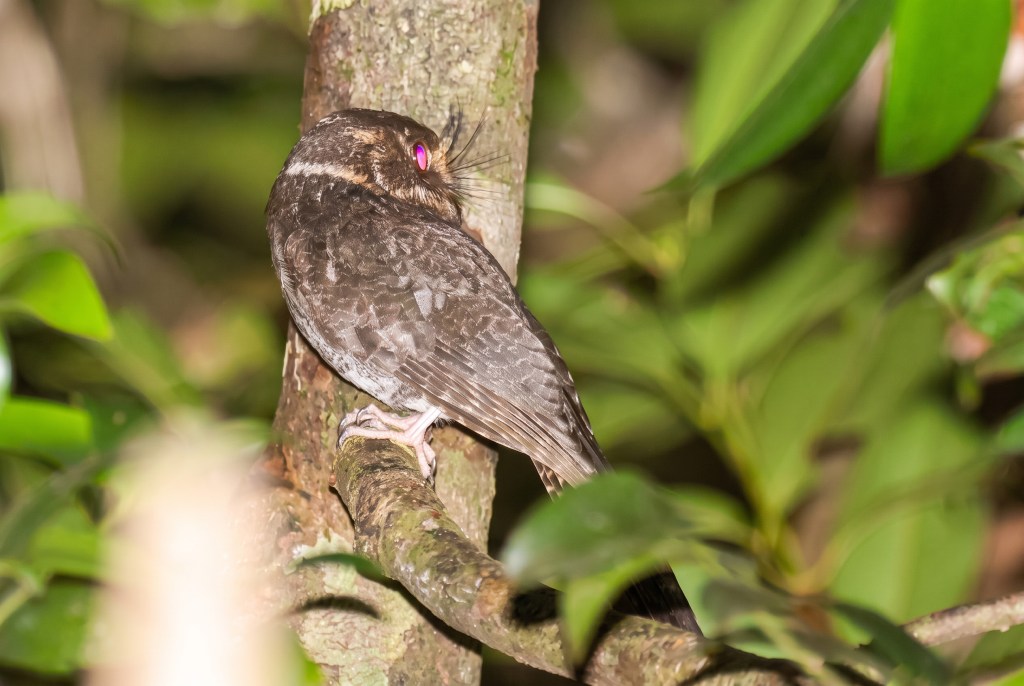
side on view showing the obvious neck collar
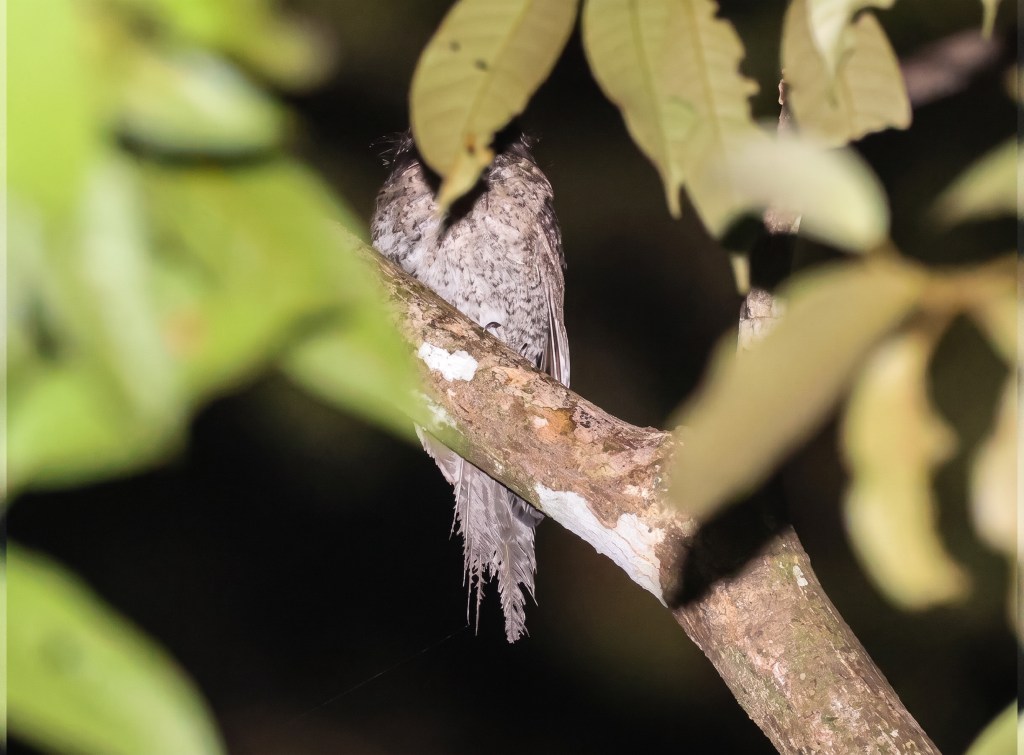
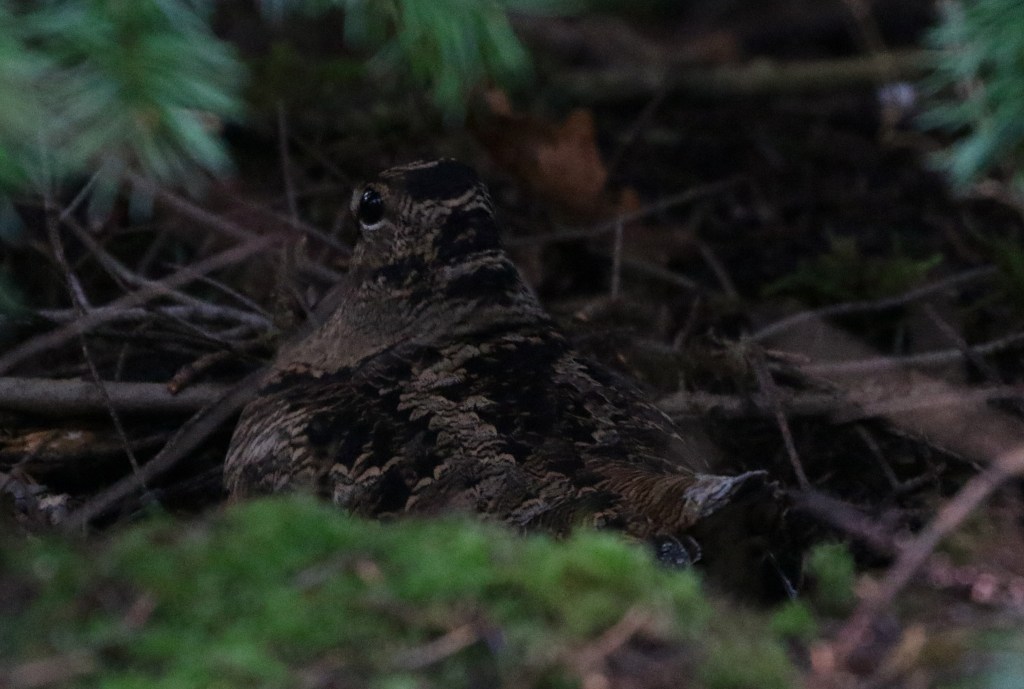
In this the first hurried photo, the light vermiculations on the breast can be seen, I have never seen such a worn tail on a nightbird, maybe from being inside a nest hole during the breeding season, if they are at the end of the nesting period it would explain the complete lack of response to playback.
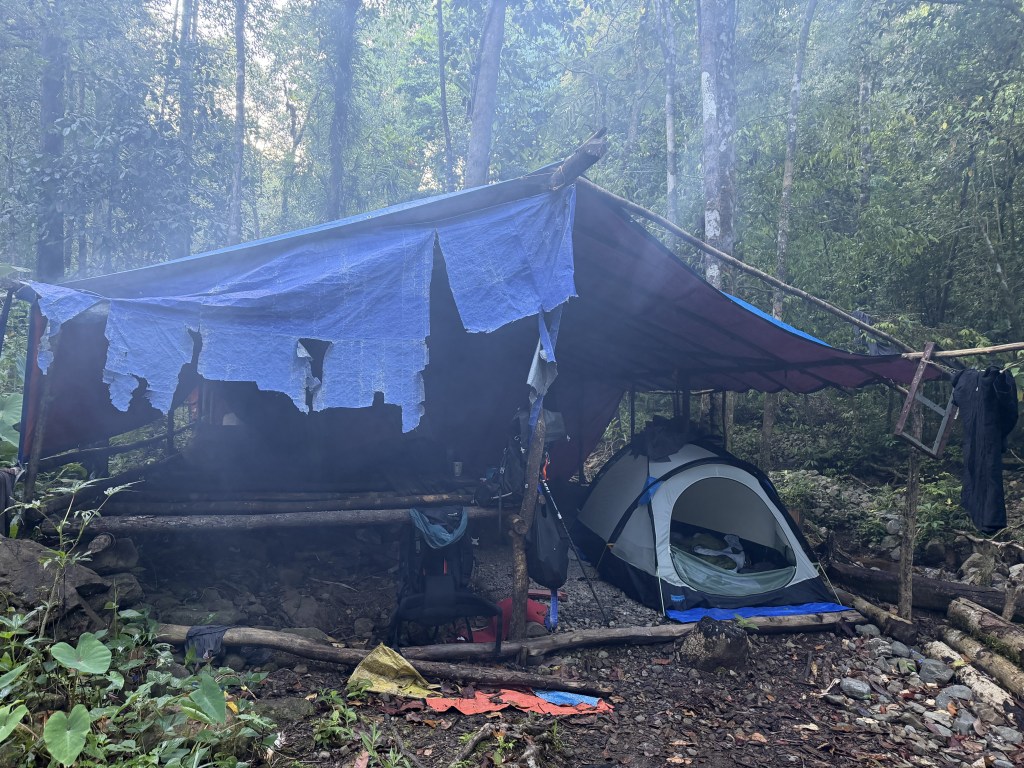
home for a couple of nights
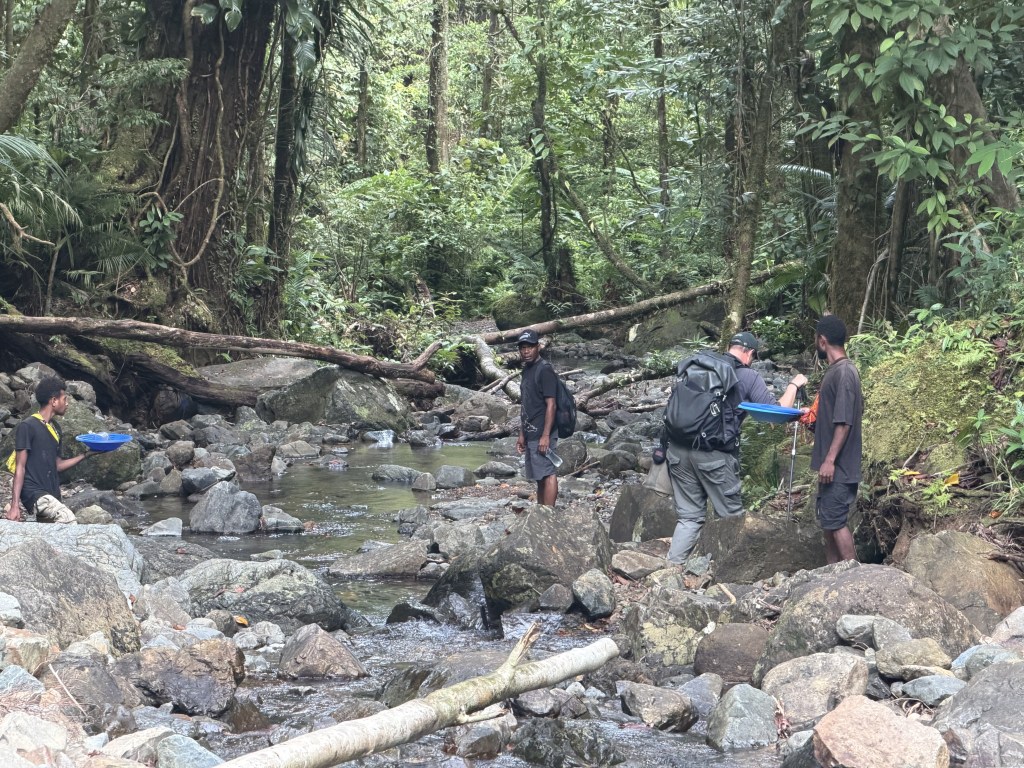
Gold miners looking on as a couple of birders enter their territory
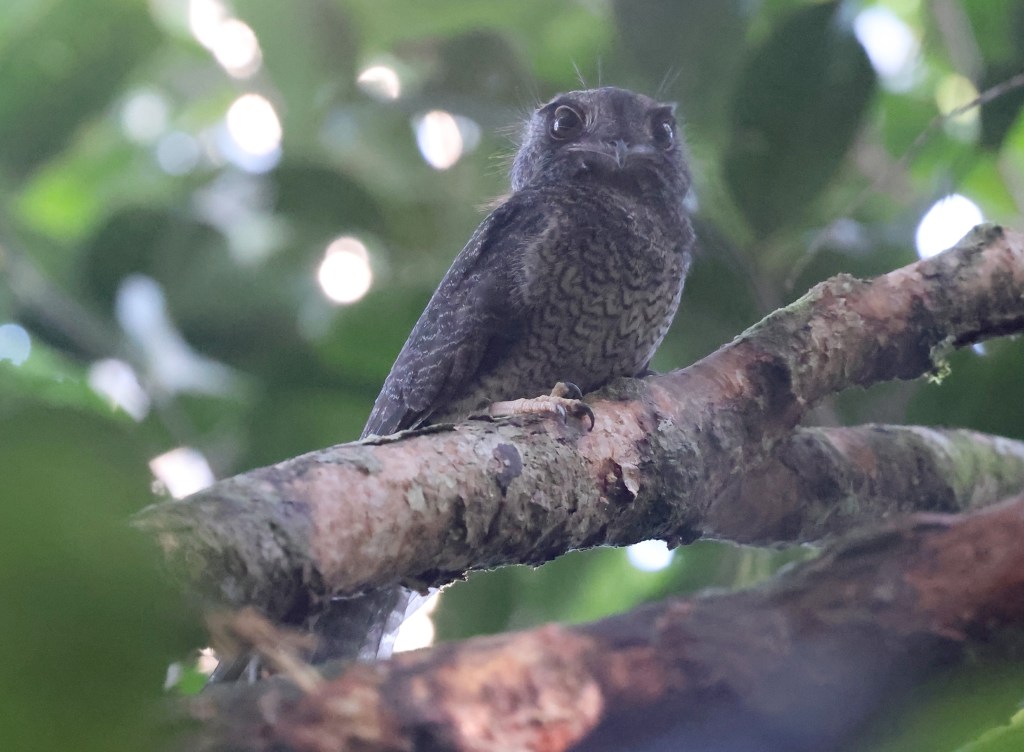
Barred Owlet-nightjar I saw in 2025 showing much heavier V pattern’s on the breast and a much greyer overall appearance.
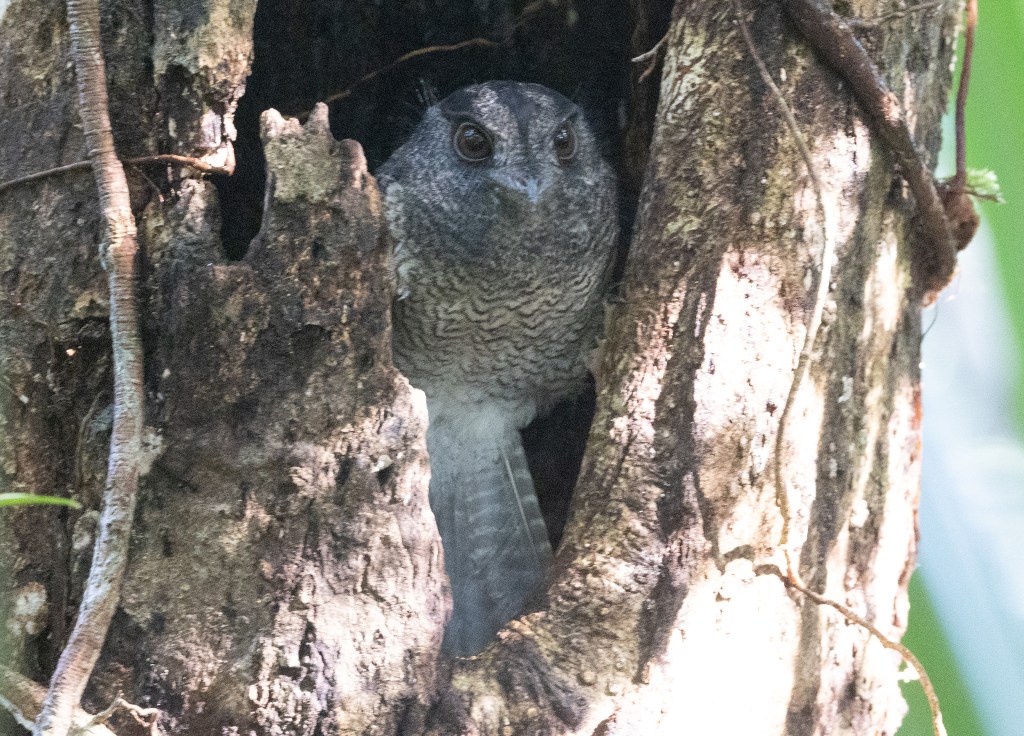
Another photo of the same Barred Owlet-nightjar showing the heavy vermiculation’s on the breast.
Norfolk Birding 2025

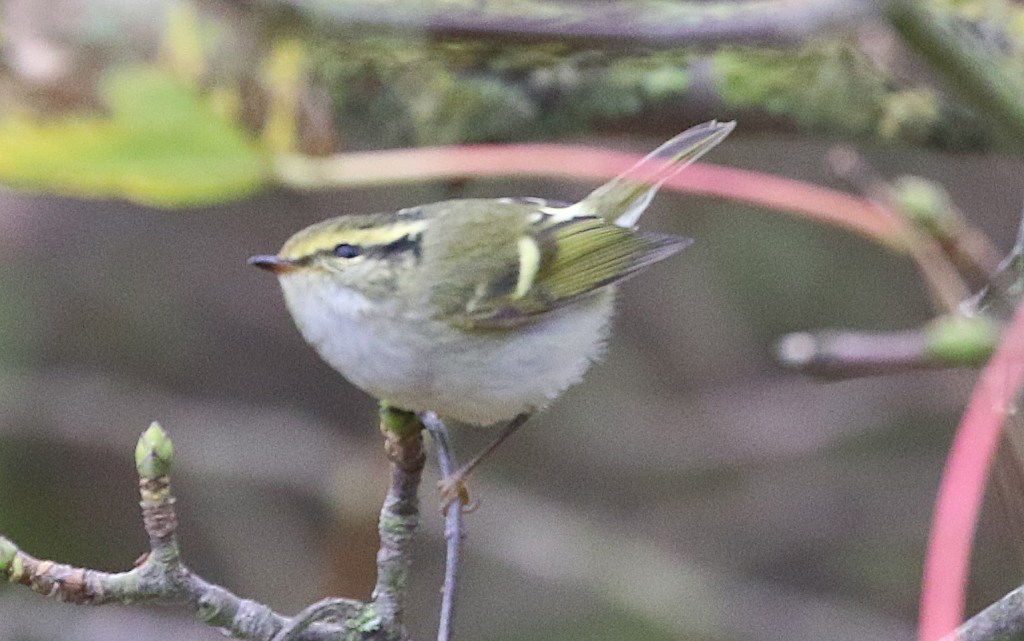
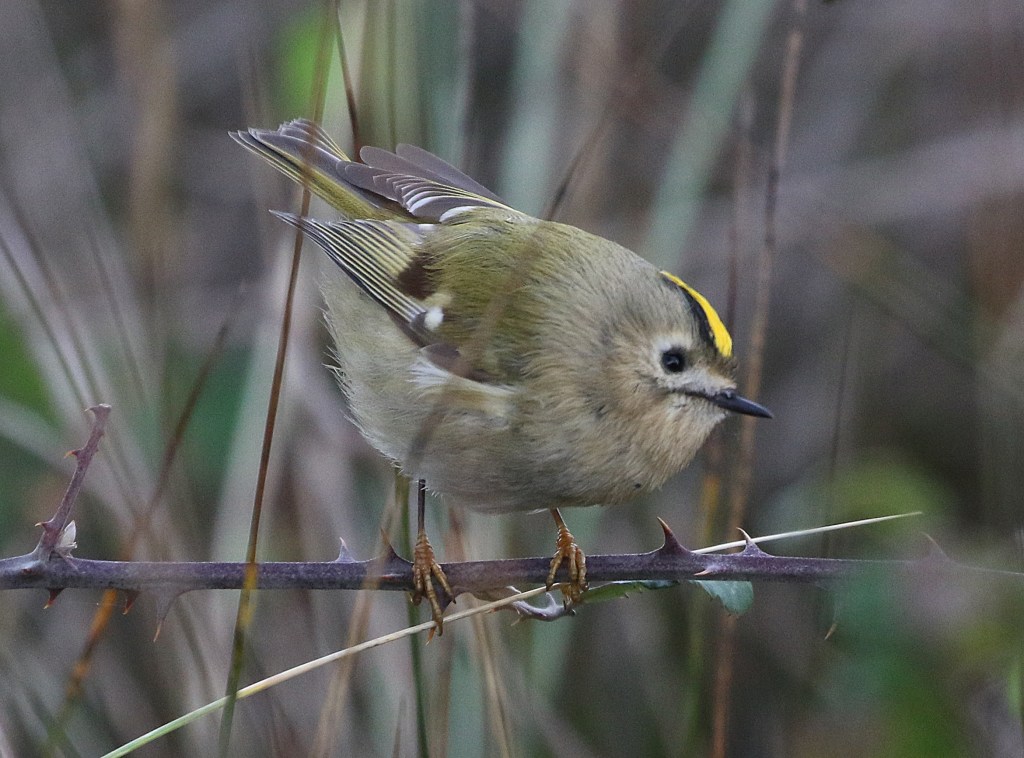
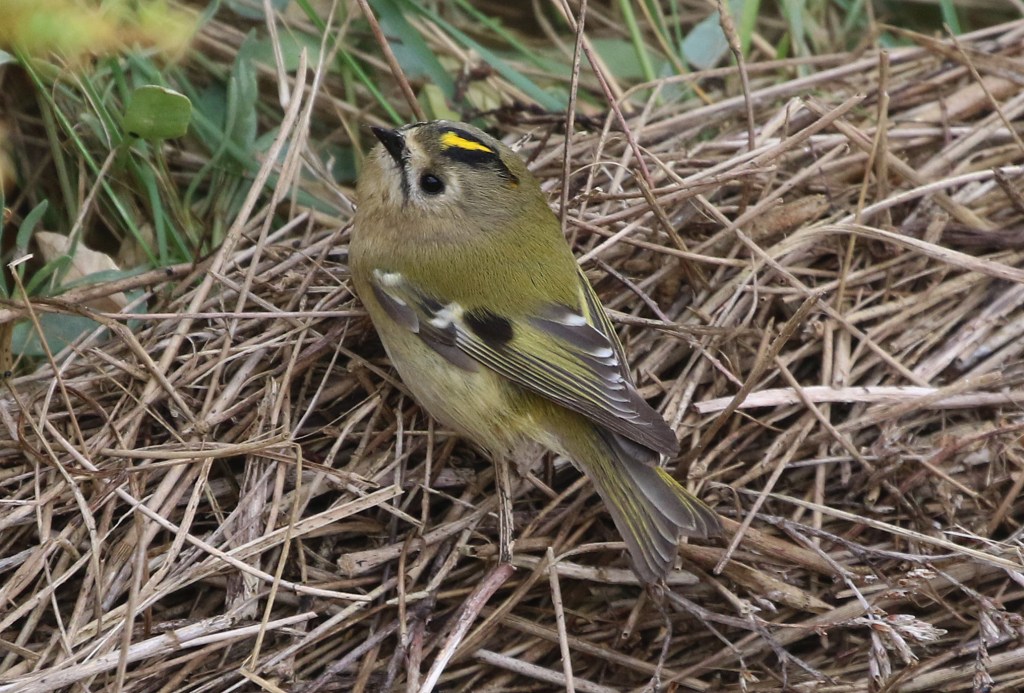
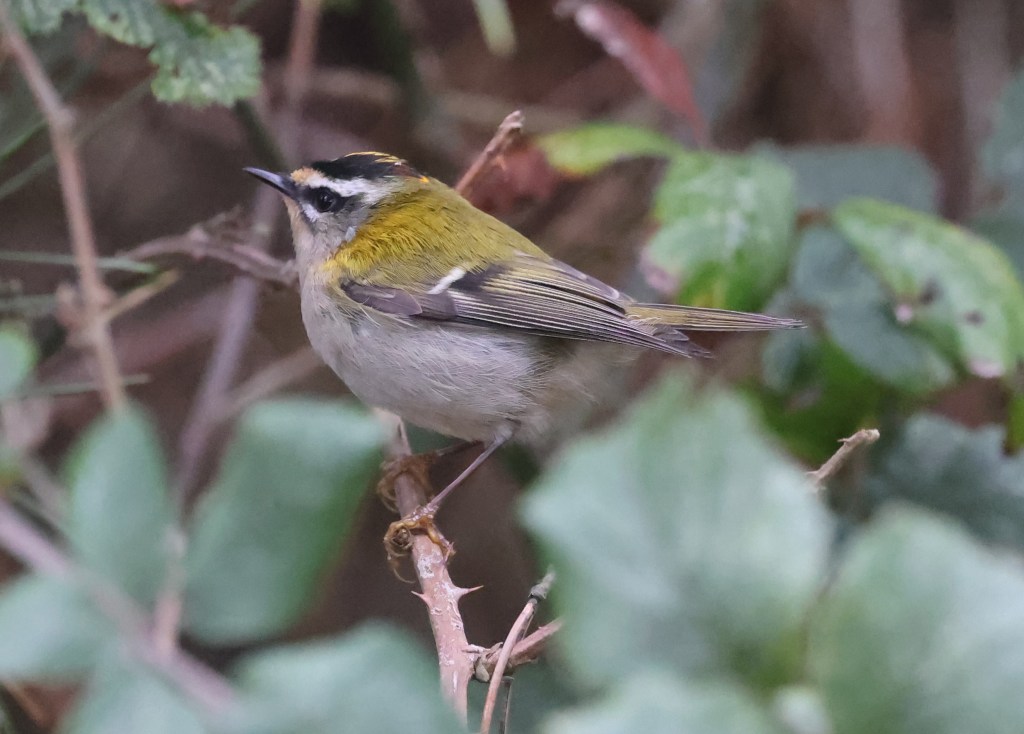
Firecrest, East Hills, 20th October

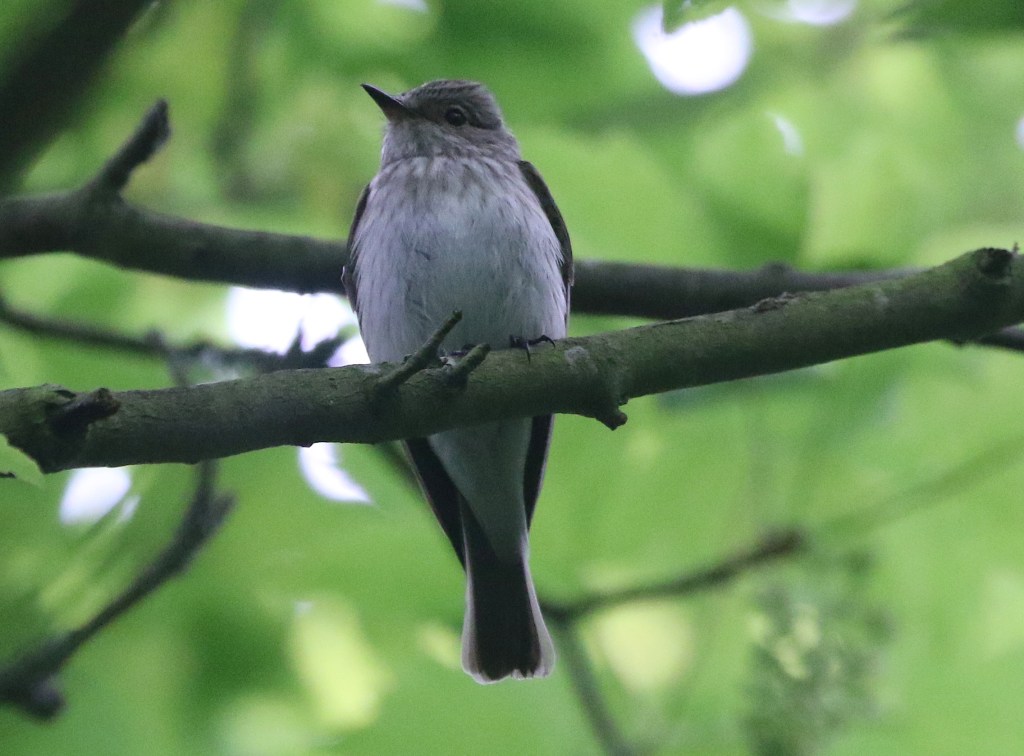
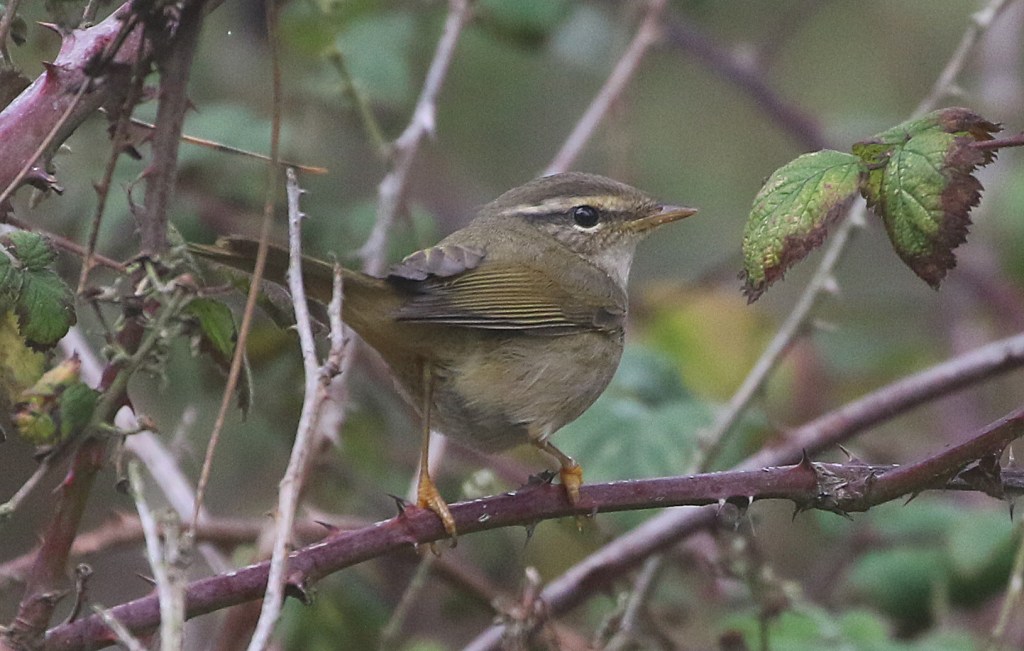
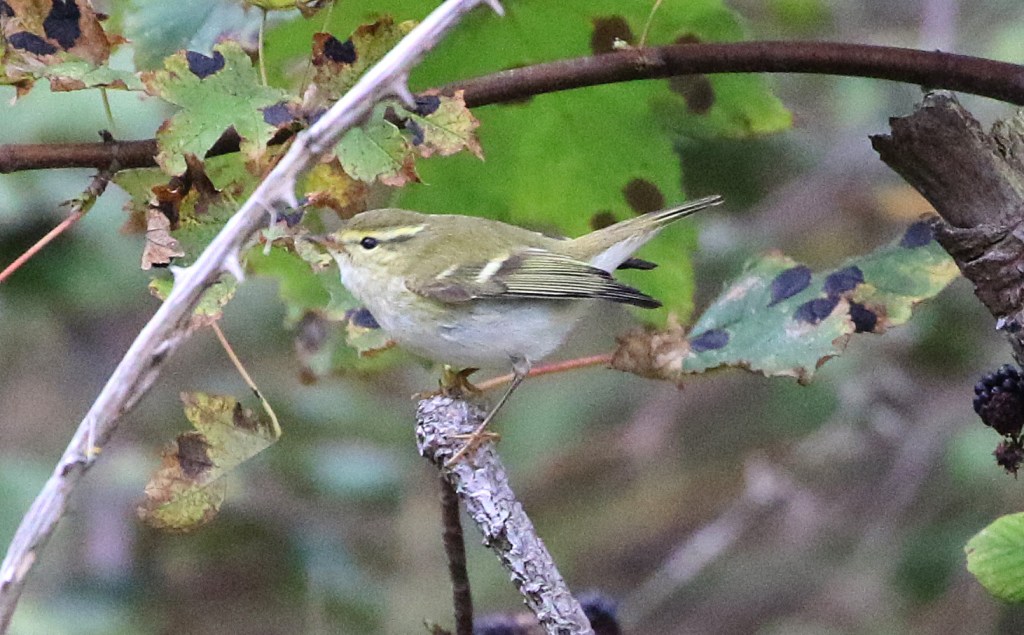
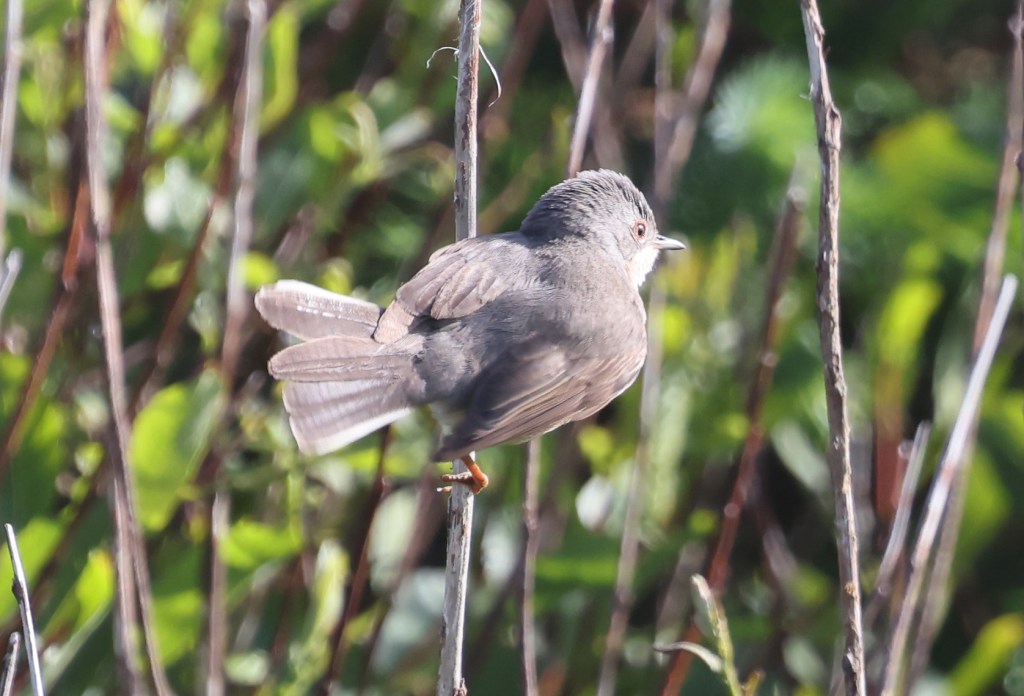
Eastern Lesser Whitethroat, East Hills, 20th October

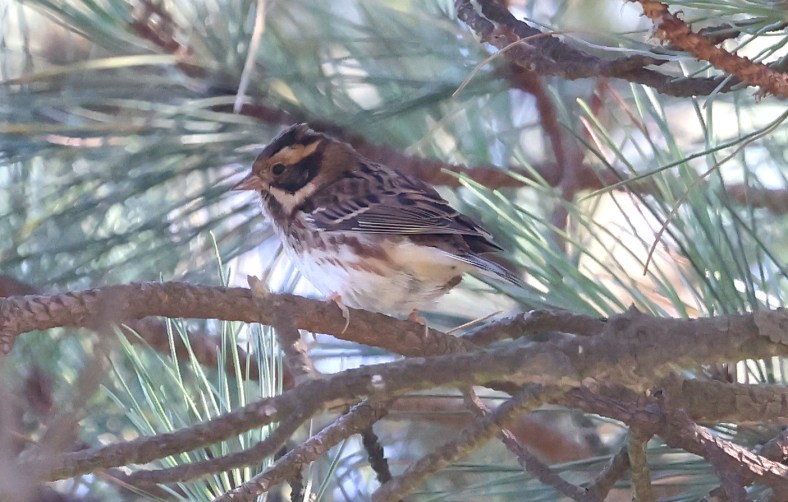
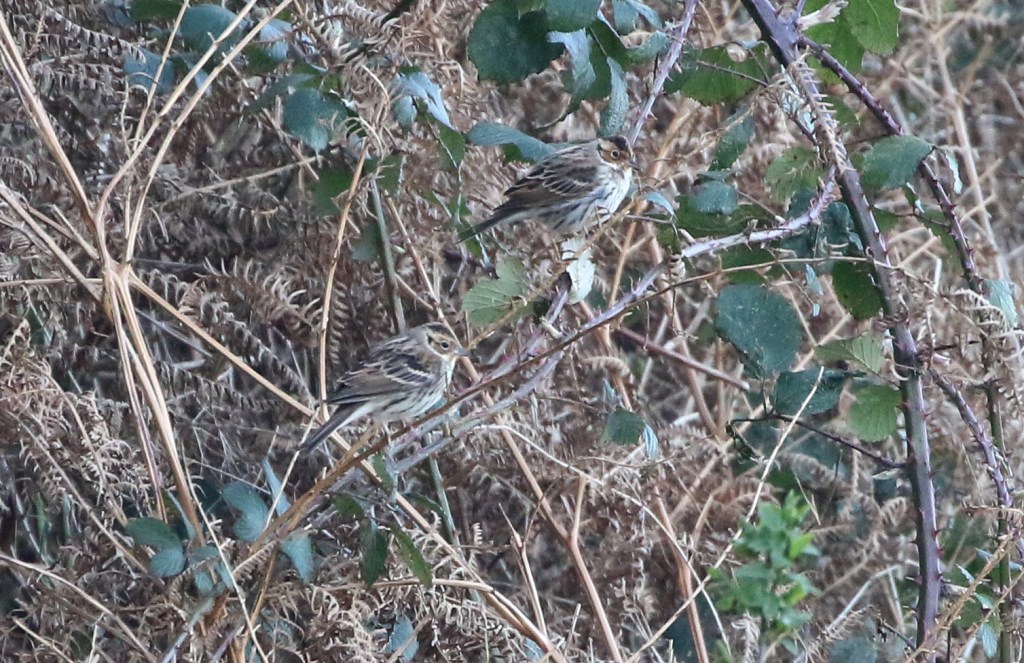
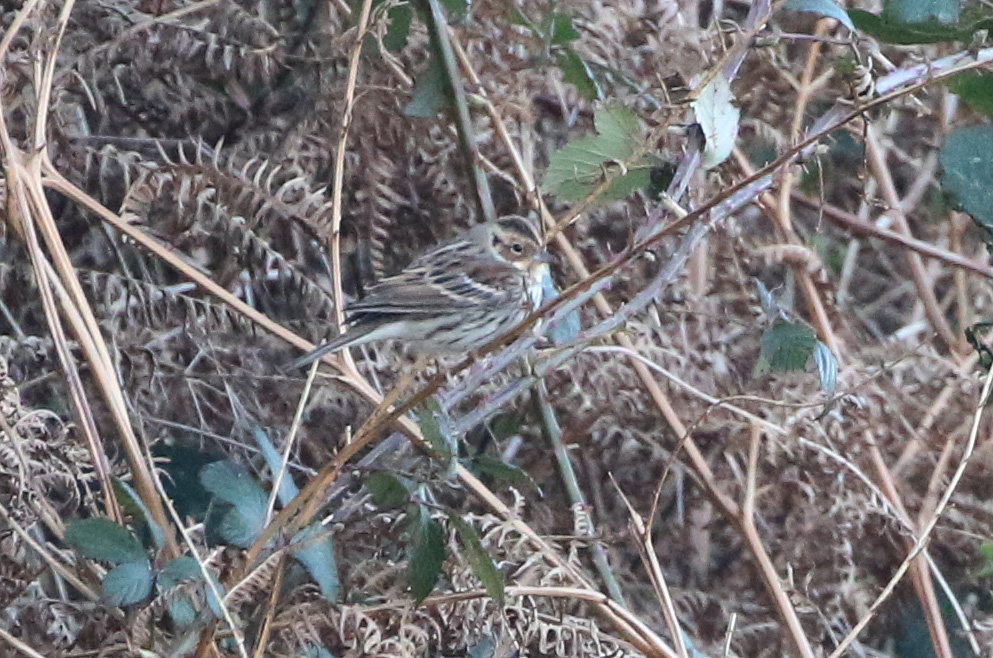
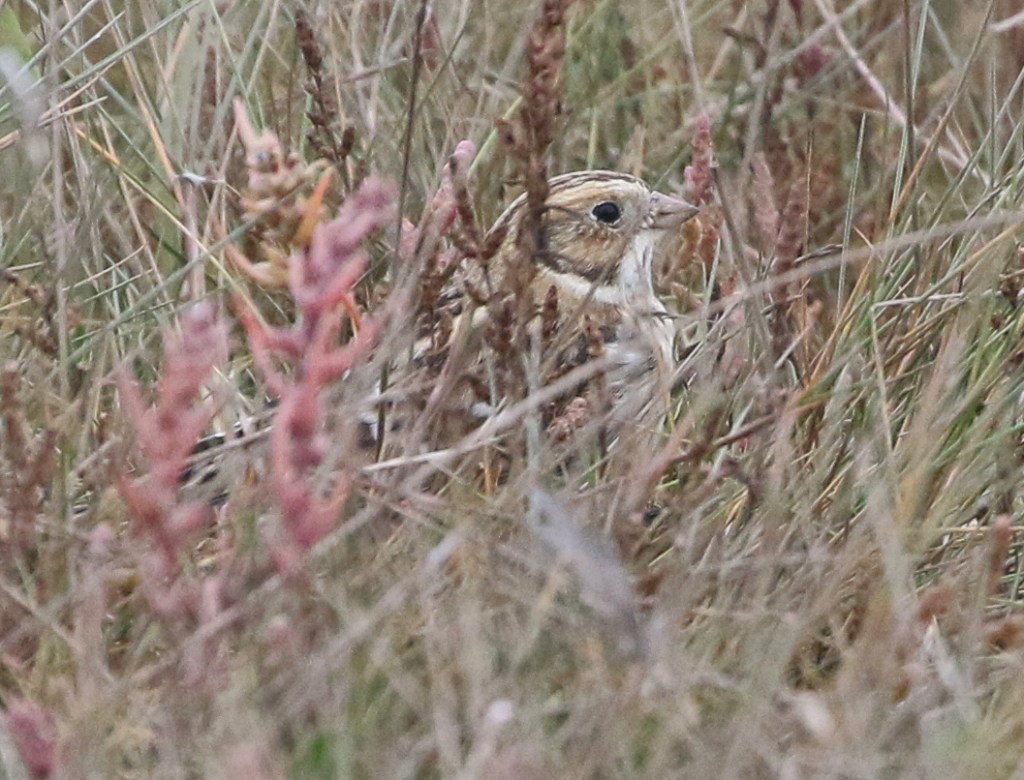
Little Bunting, East Hills 24th September

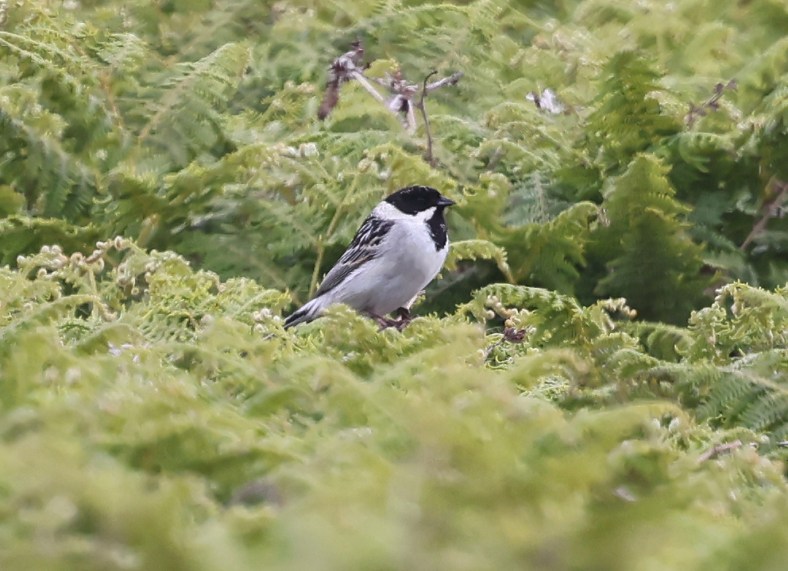
Rustic Bunting, East Hills, 24th September

Black-winged Kite, Hickling, 9th September

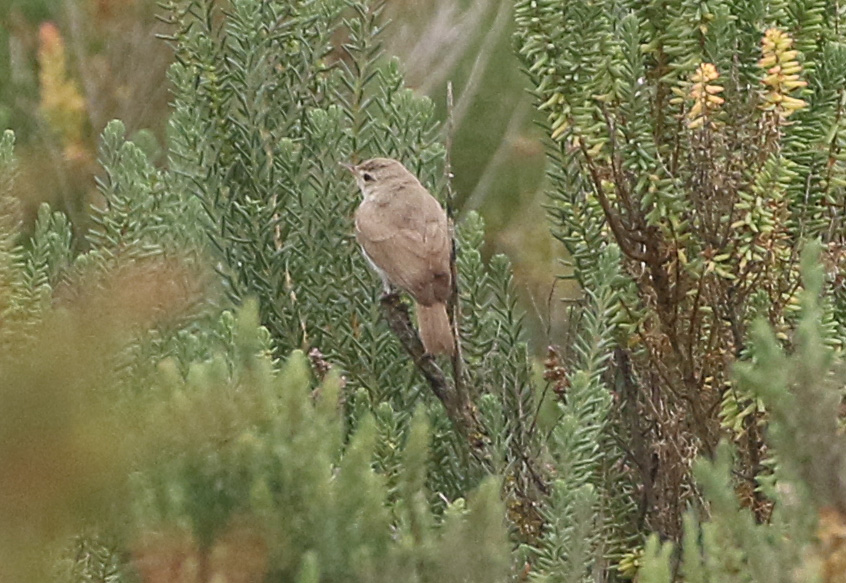
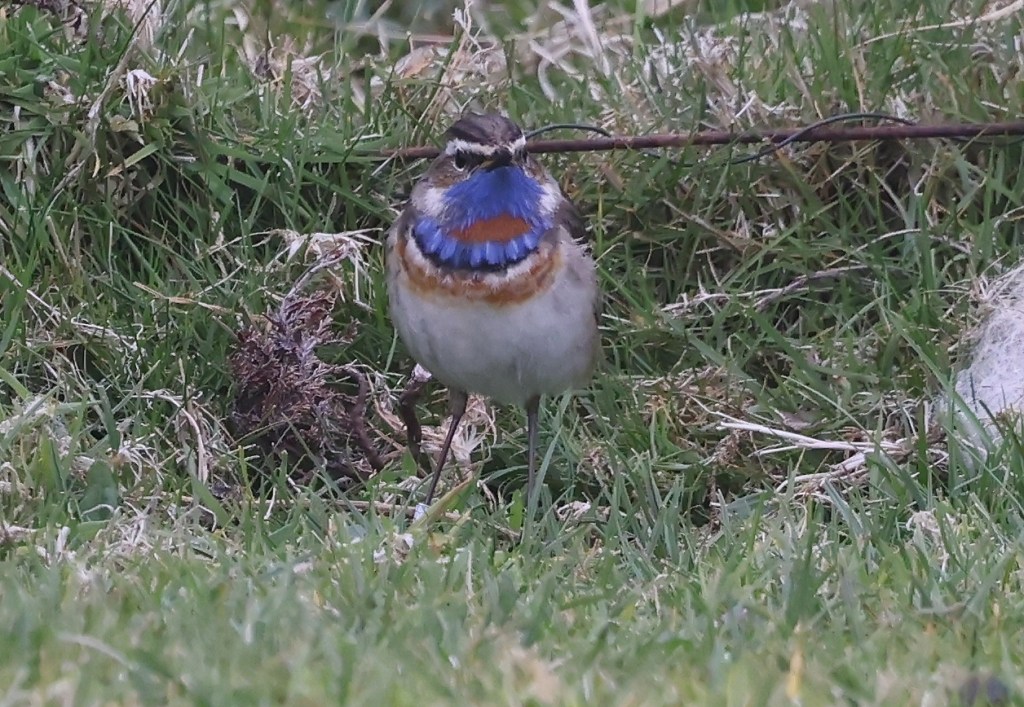
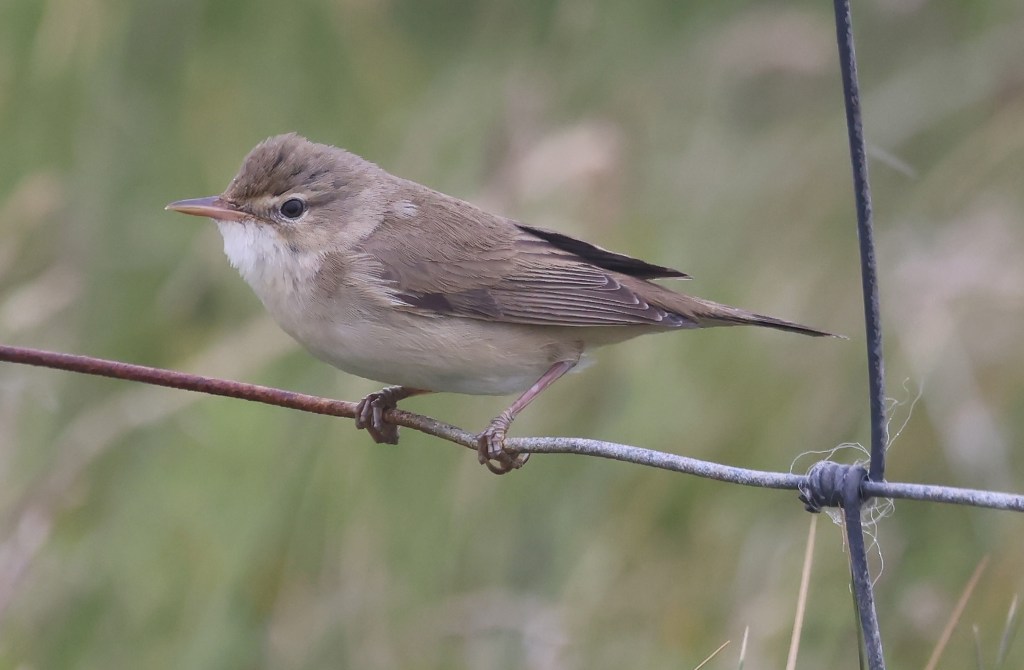
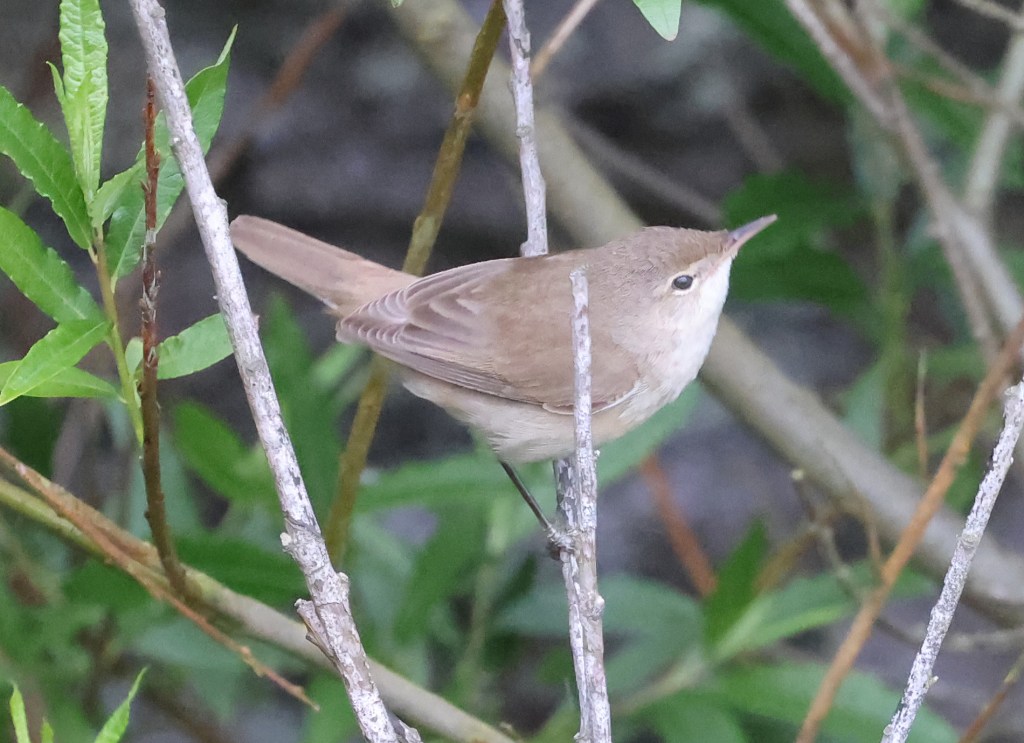
Marsh Warbler, Cley, 19th June

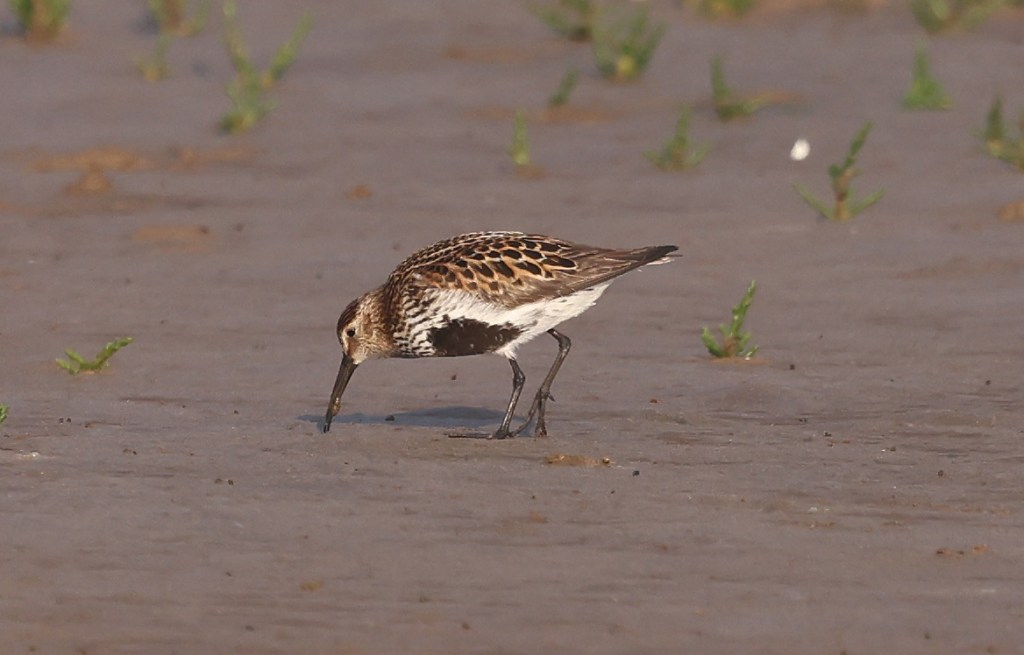
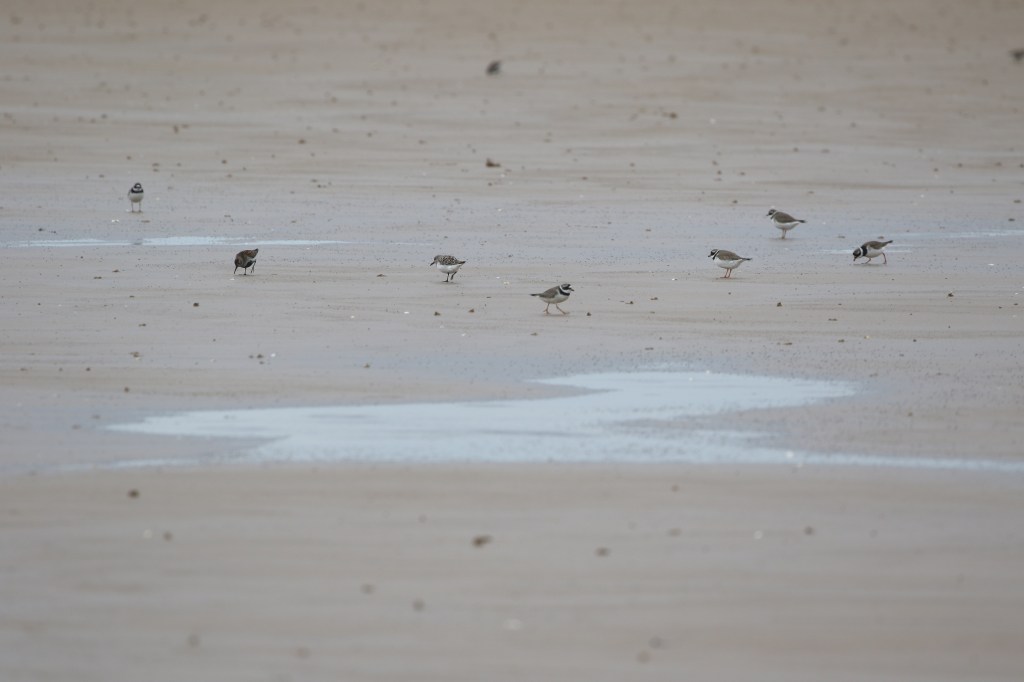
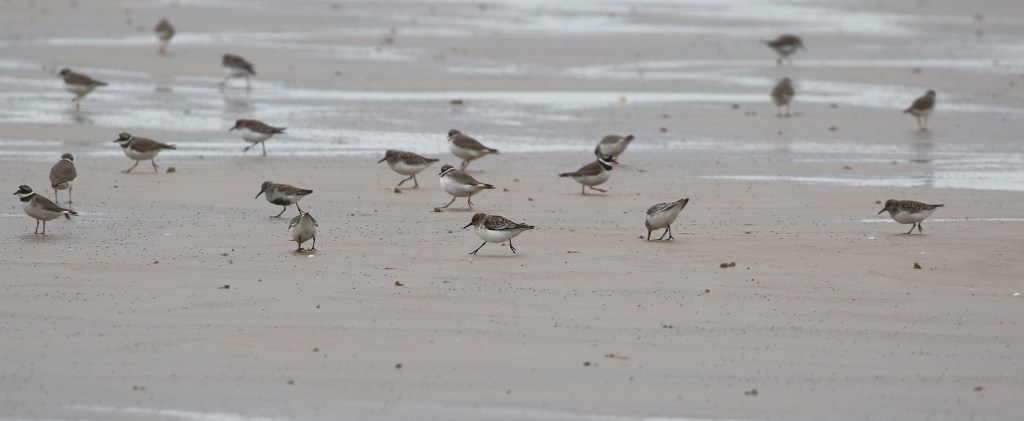
Dunlin, East Hills, 11th June

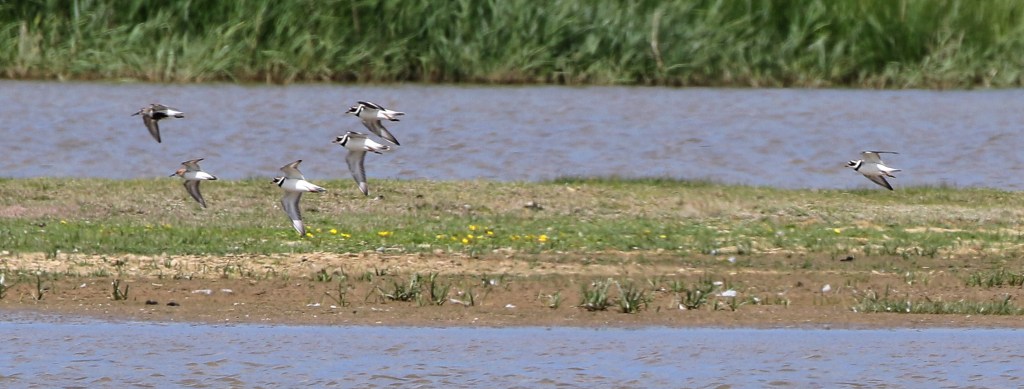
Ringed Plover, East Hills, 11th June

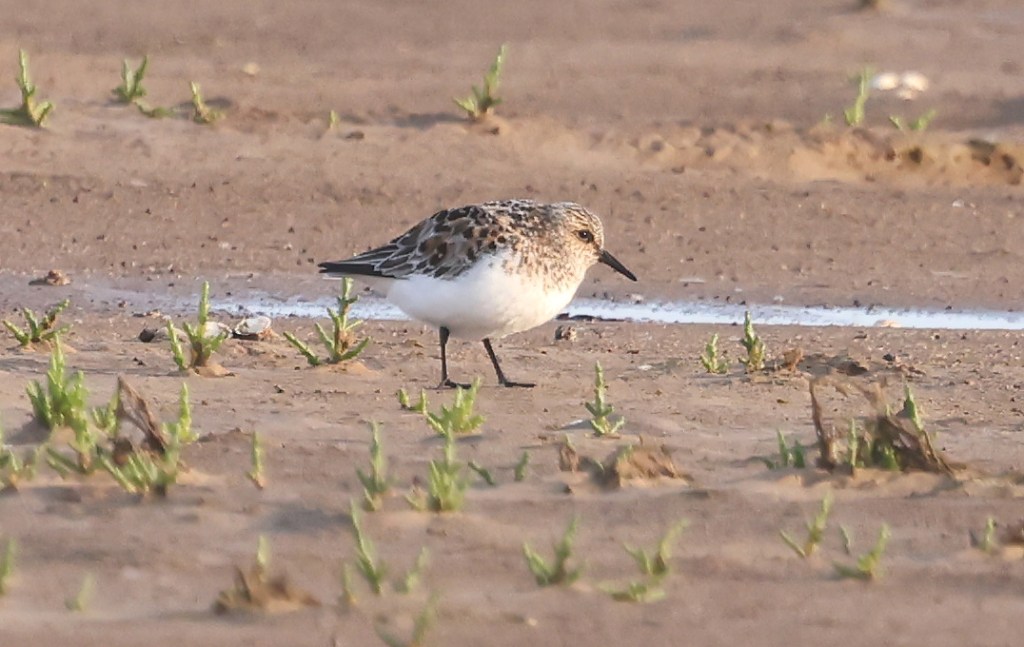
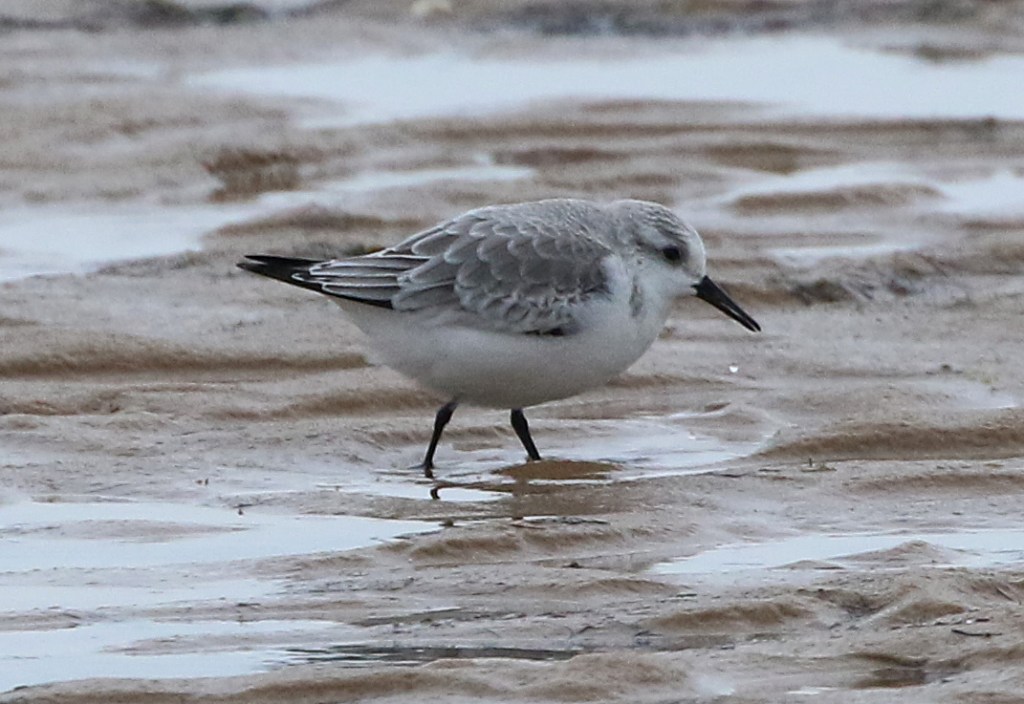
Sanderling, East Hills, 11th June

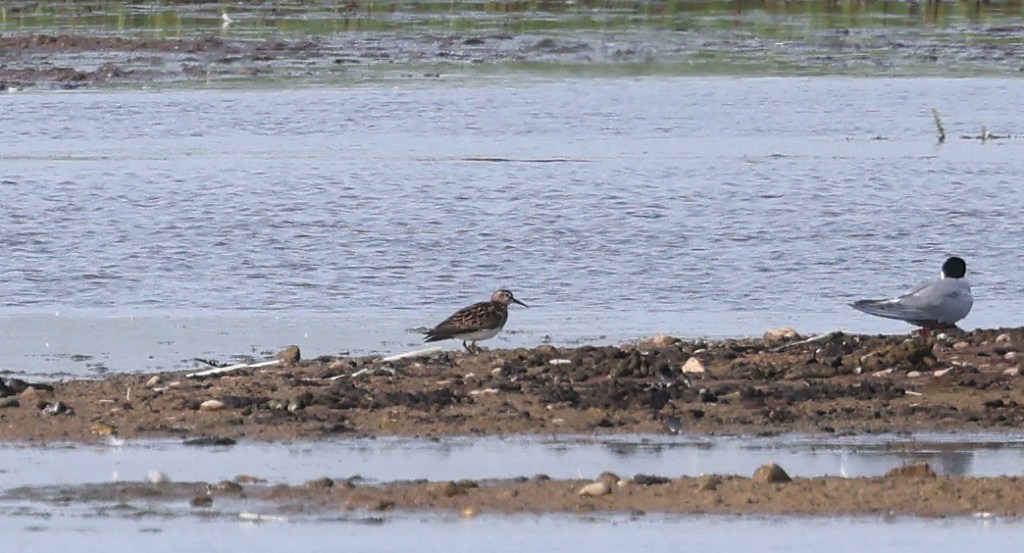
Pectoral Sandpiper, Hickling, 8th June

Pied Wagtail, Cley, 8th June

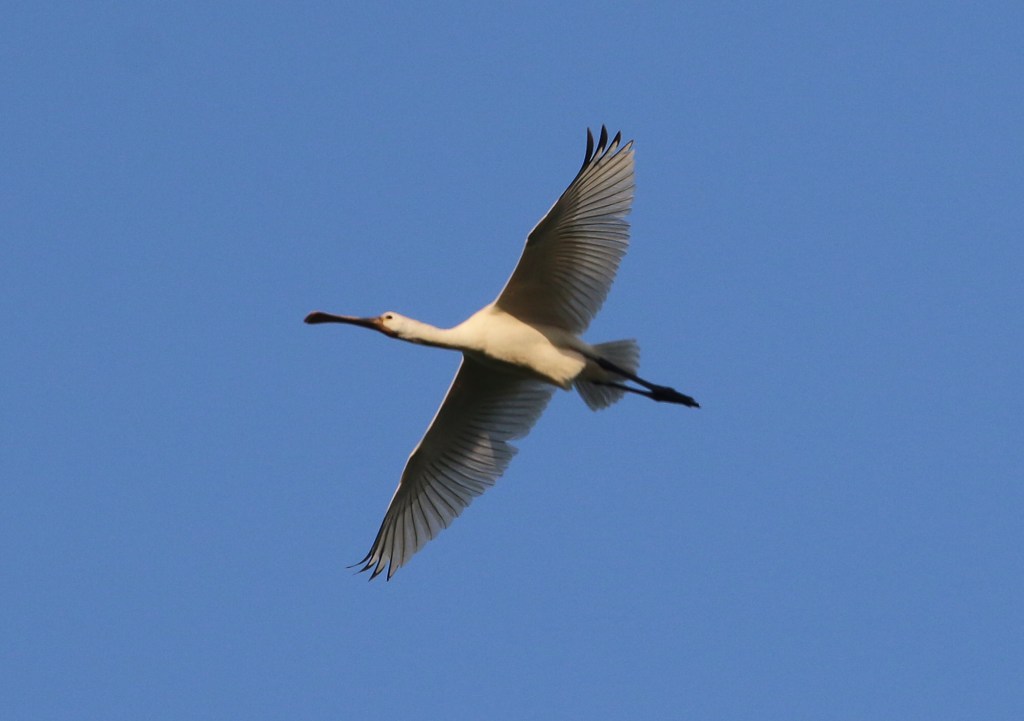
Spoonbill, Cley, 8th June

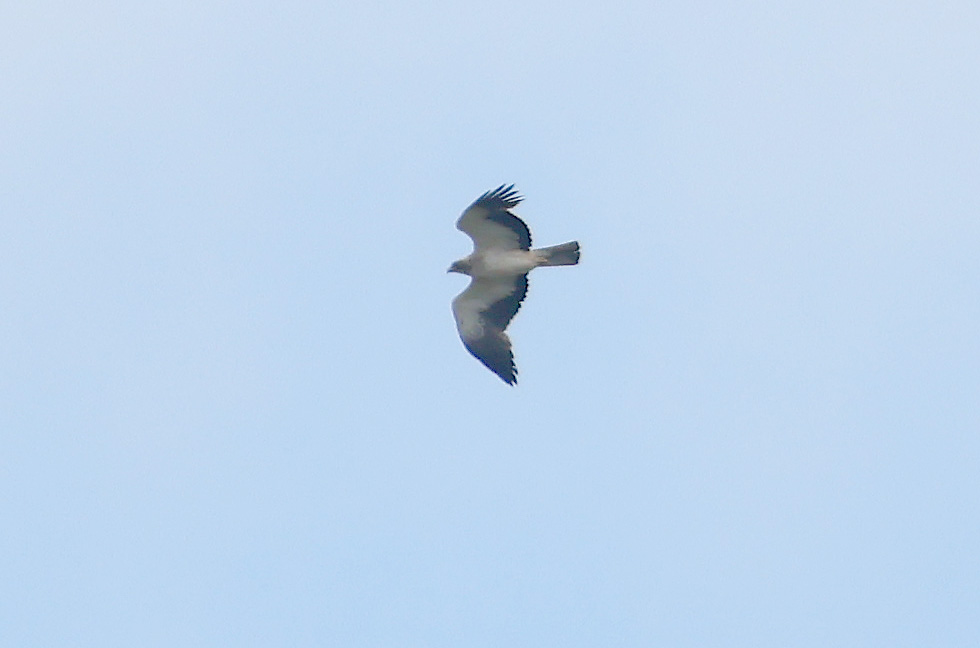
Booted Eagle, Kelling, 25th May

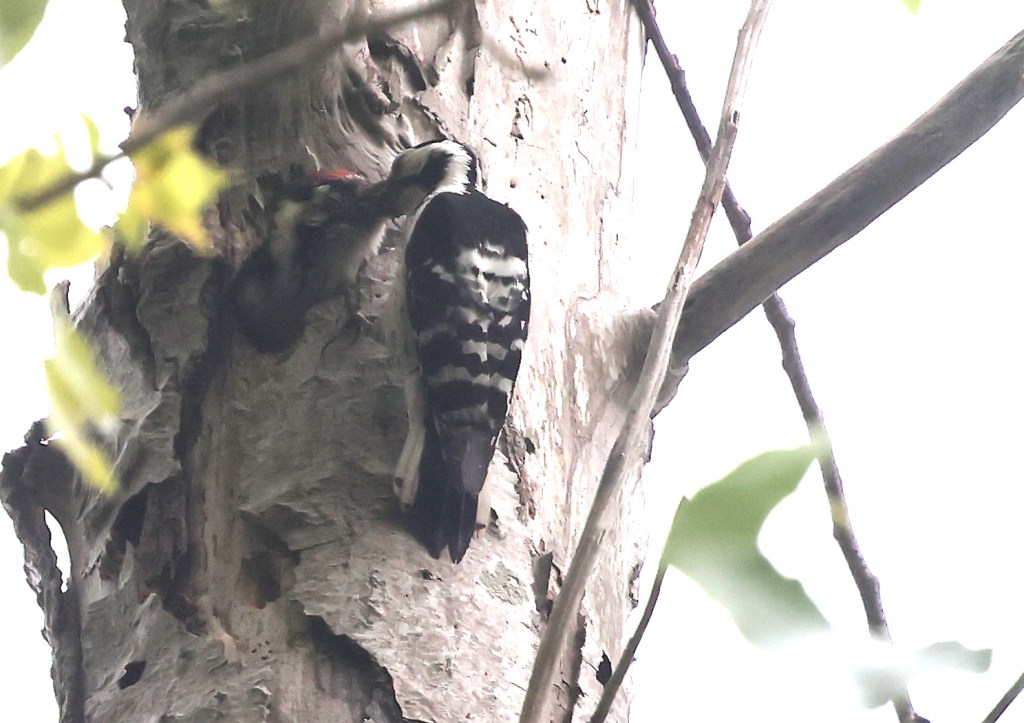
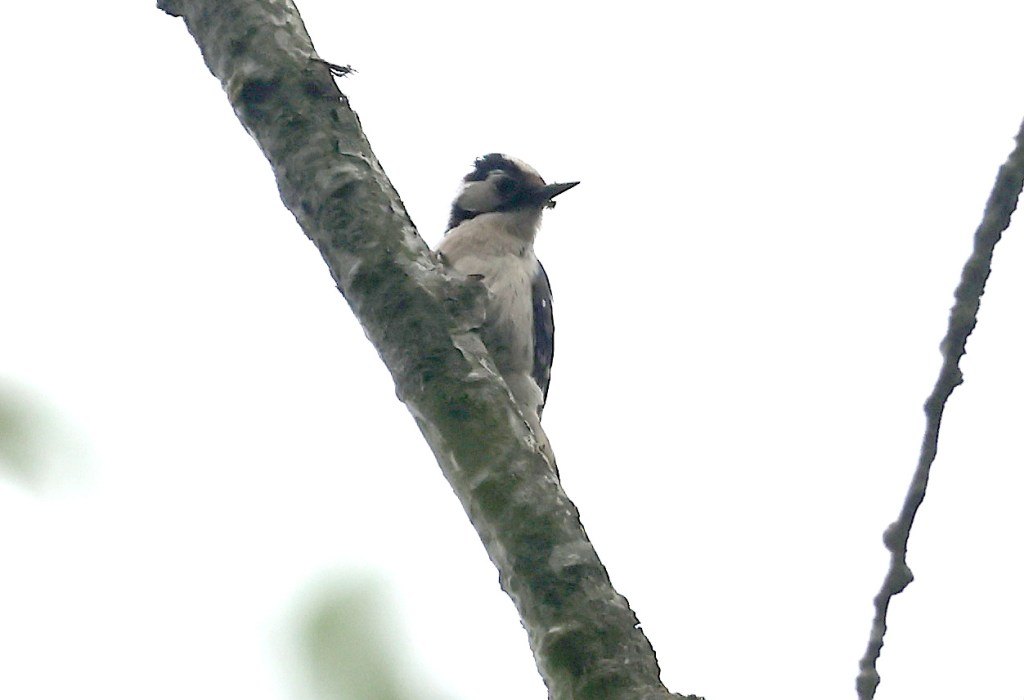
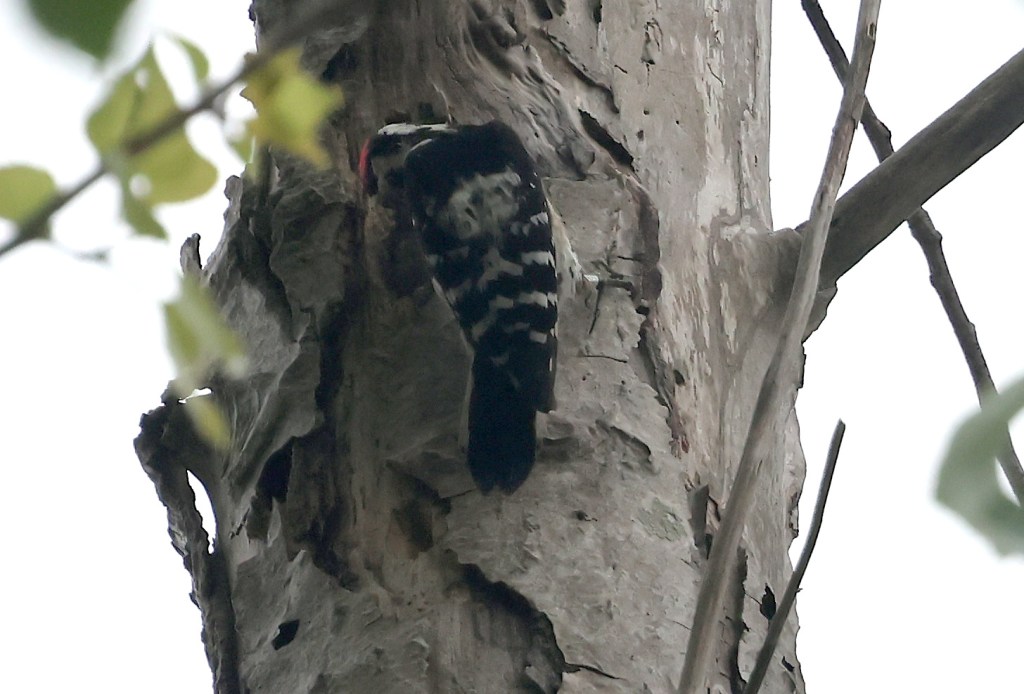
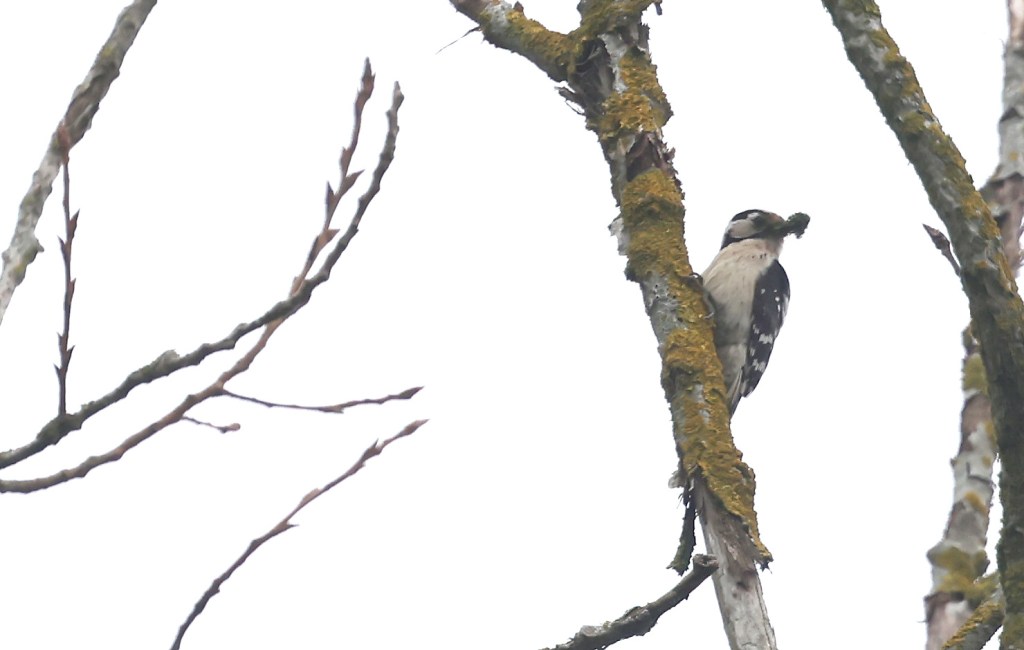
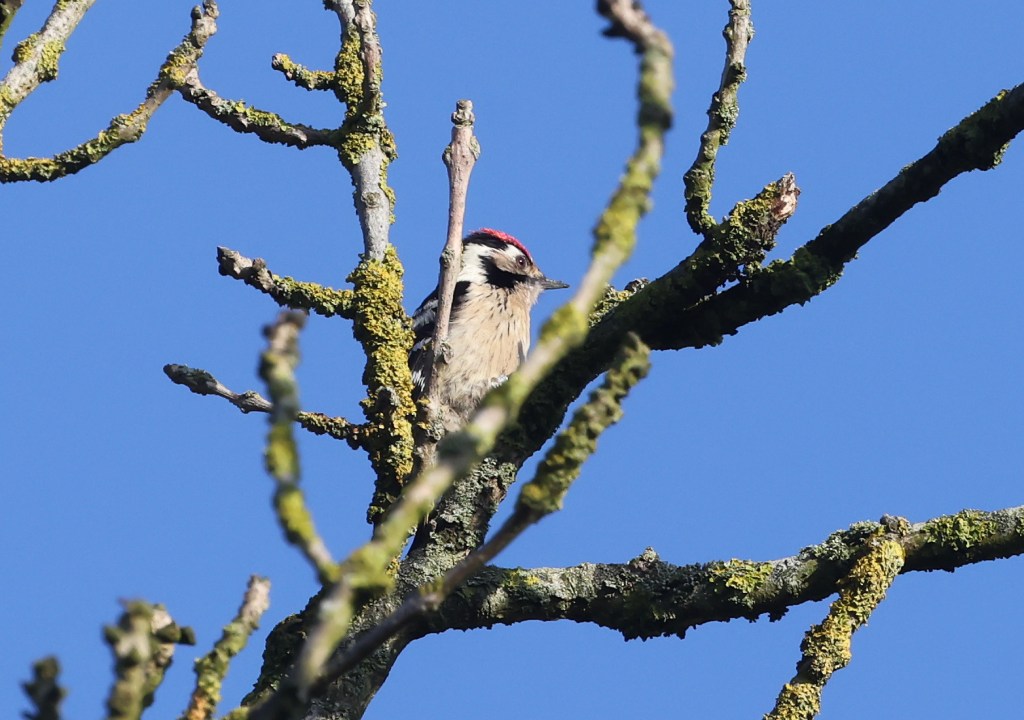
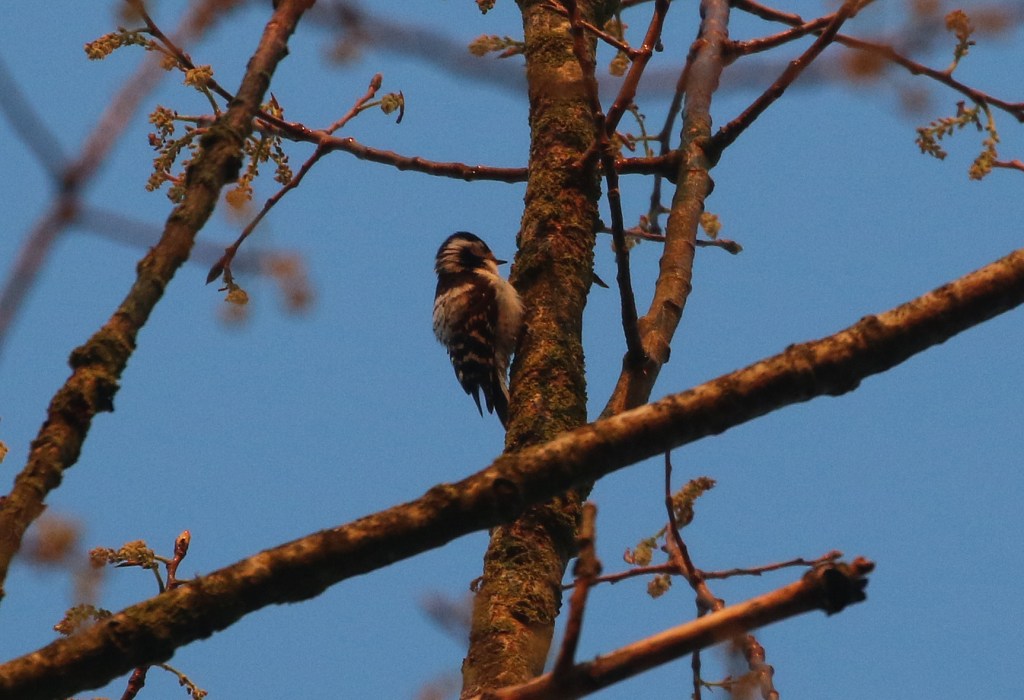
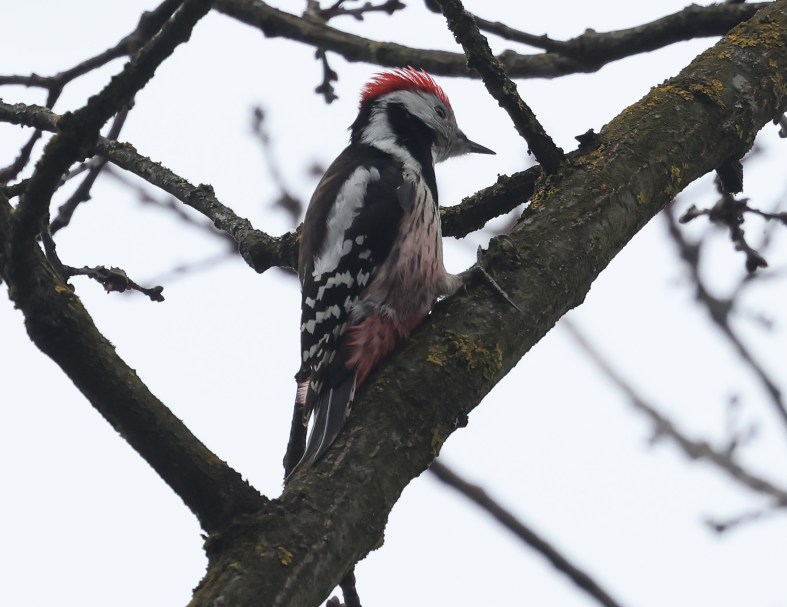
Lesser-spotted Woodpecker, May 2025

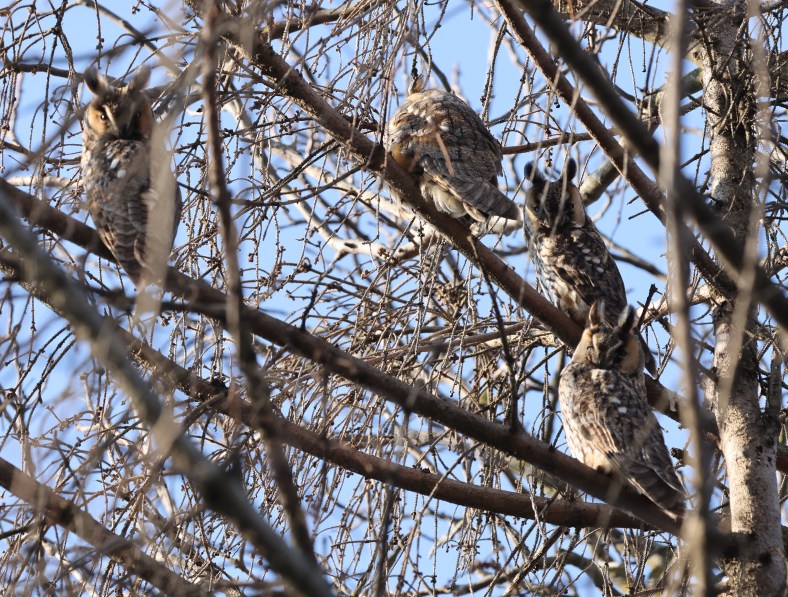
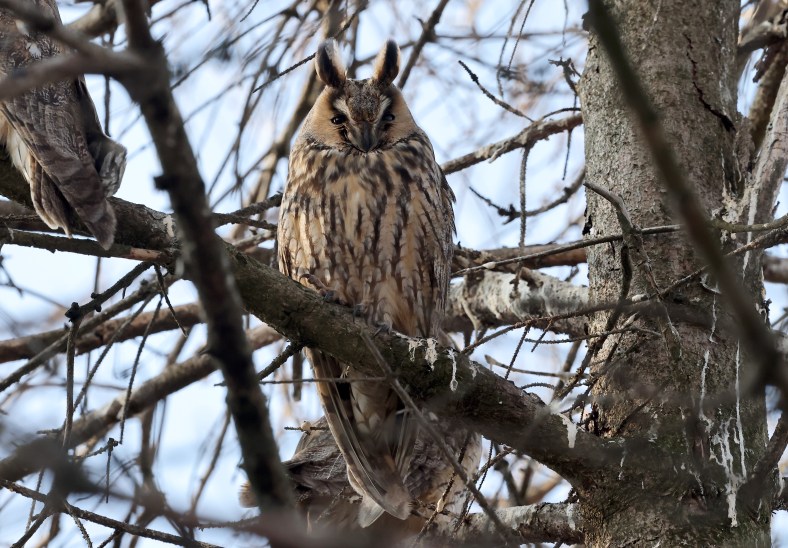
Long-eared Owls May 2025

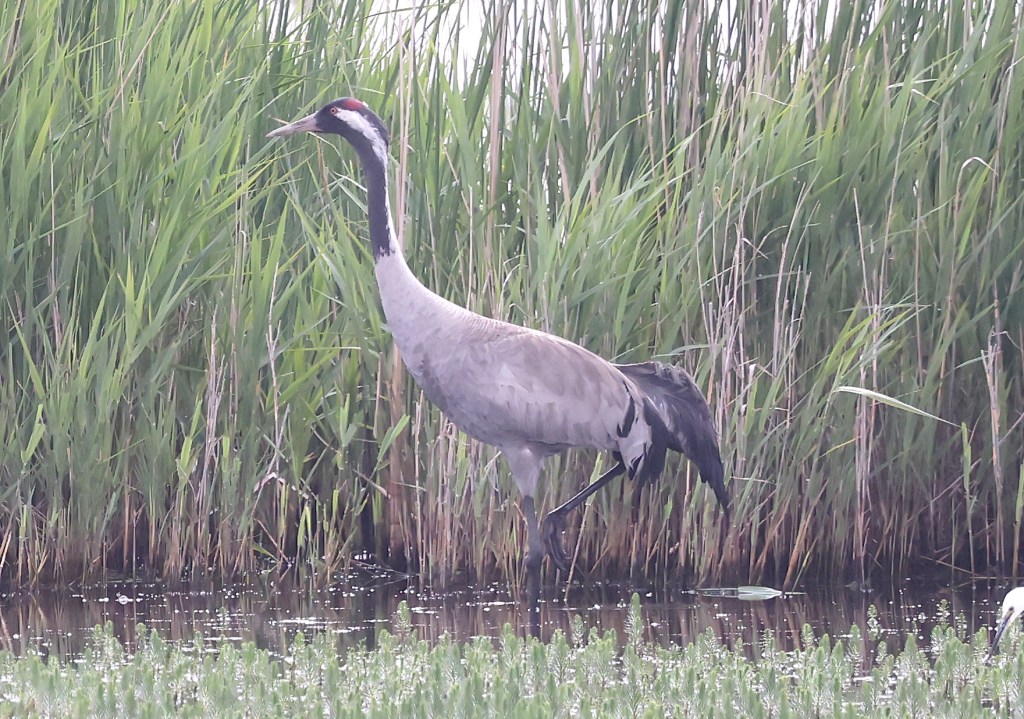
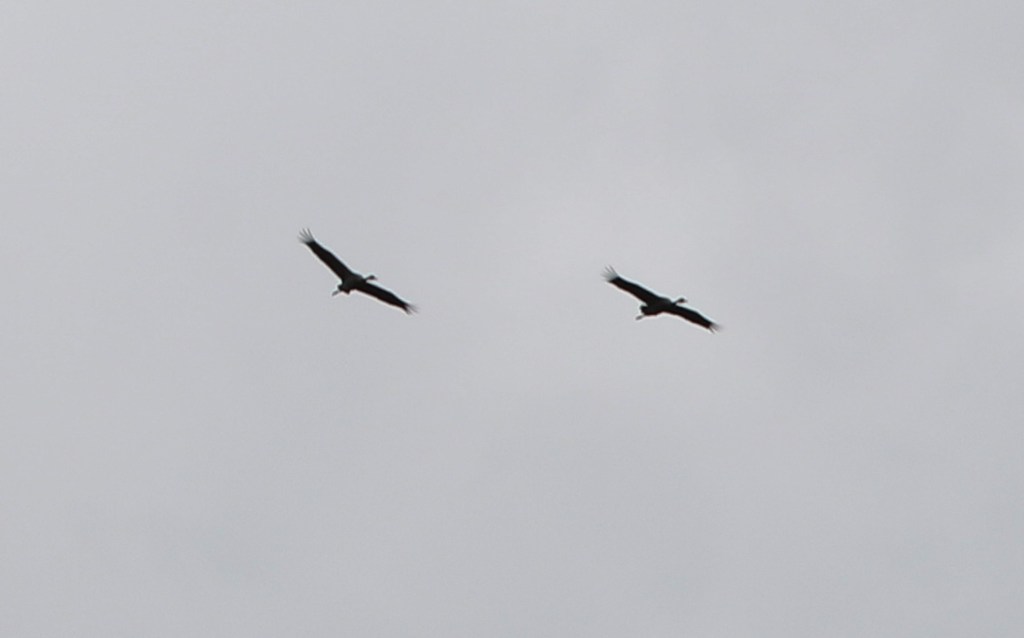
Crane, Hickling, 18th May

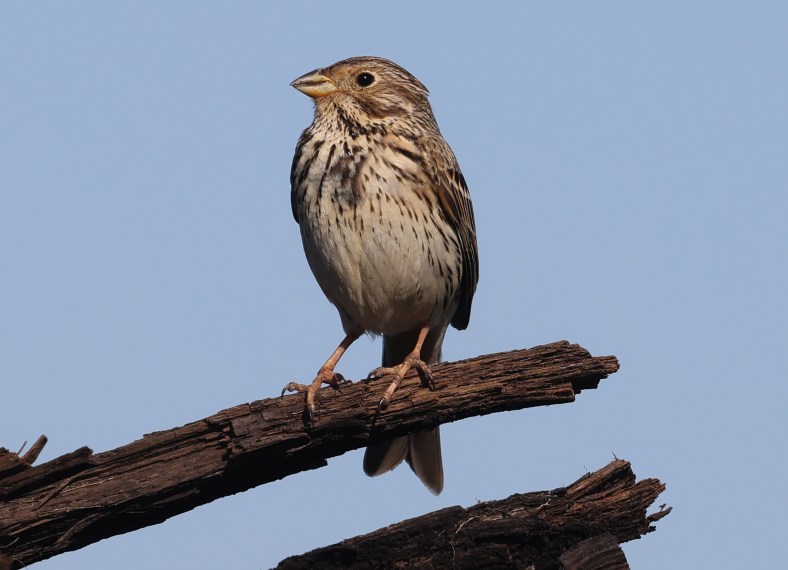
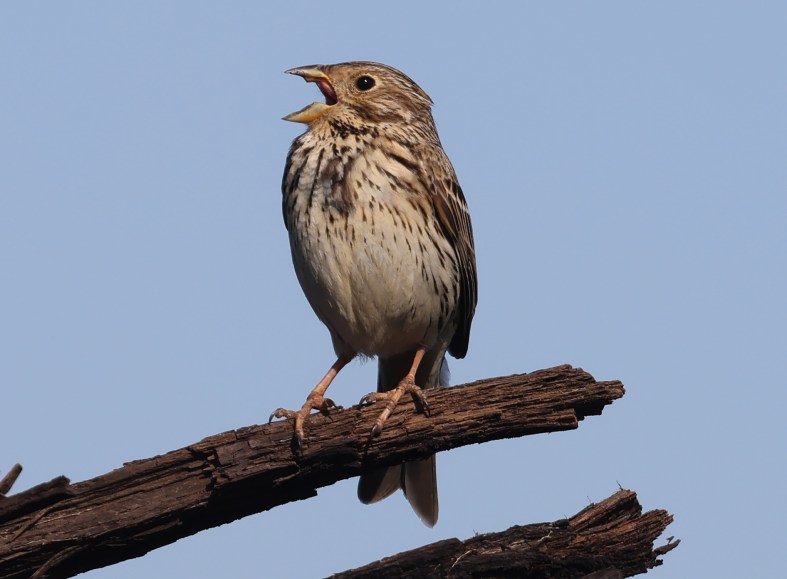
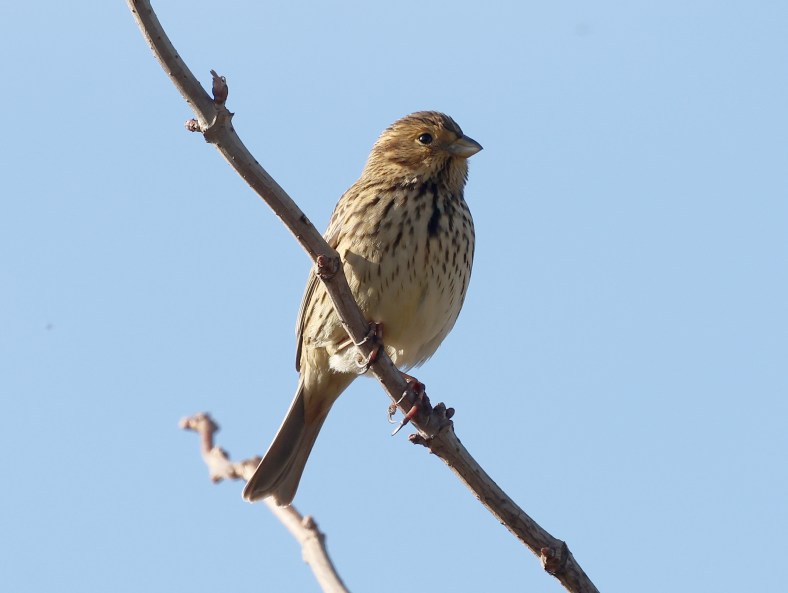
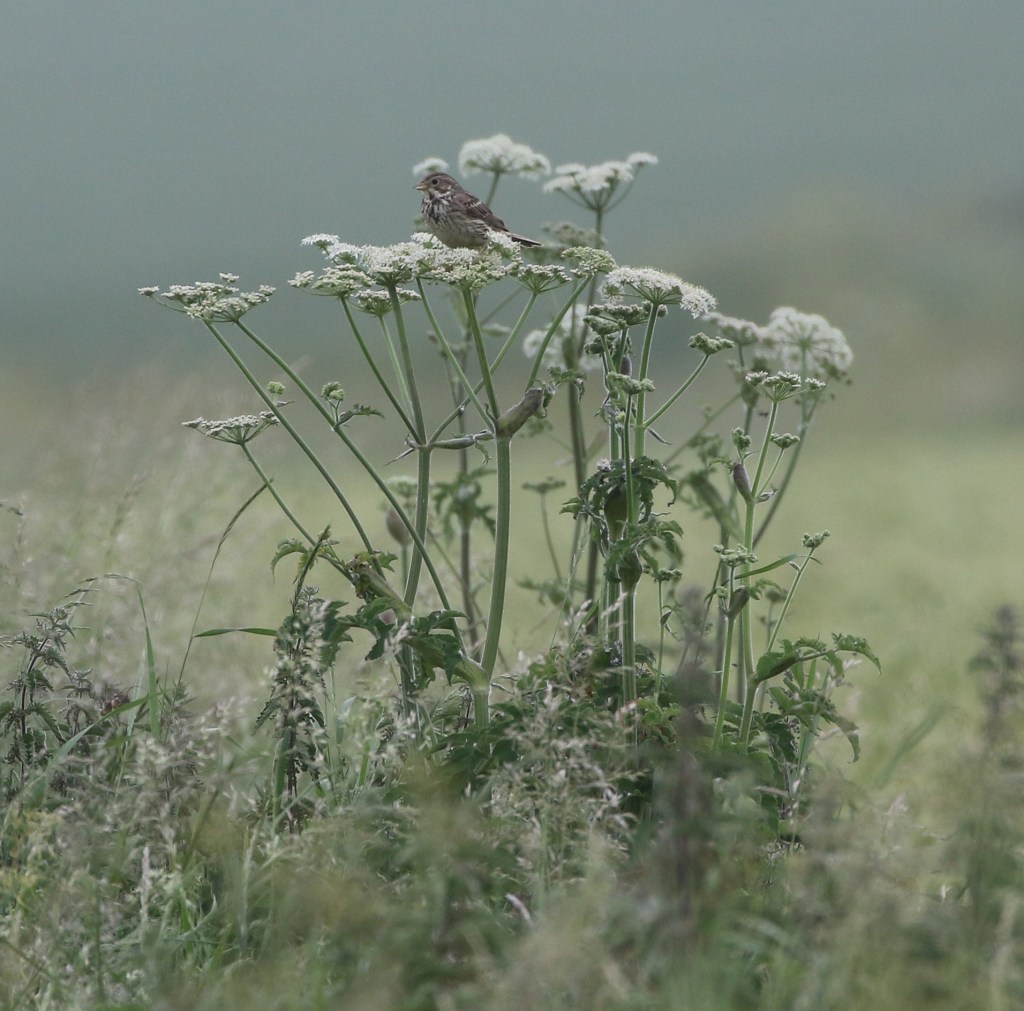
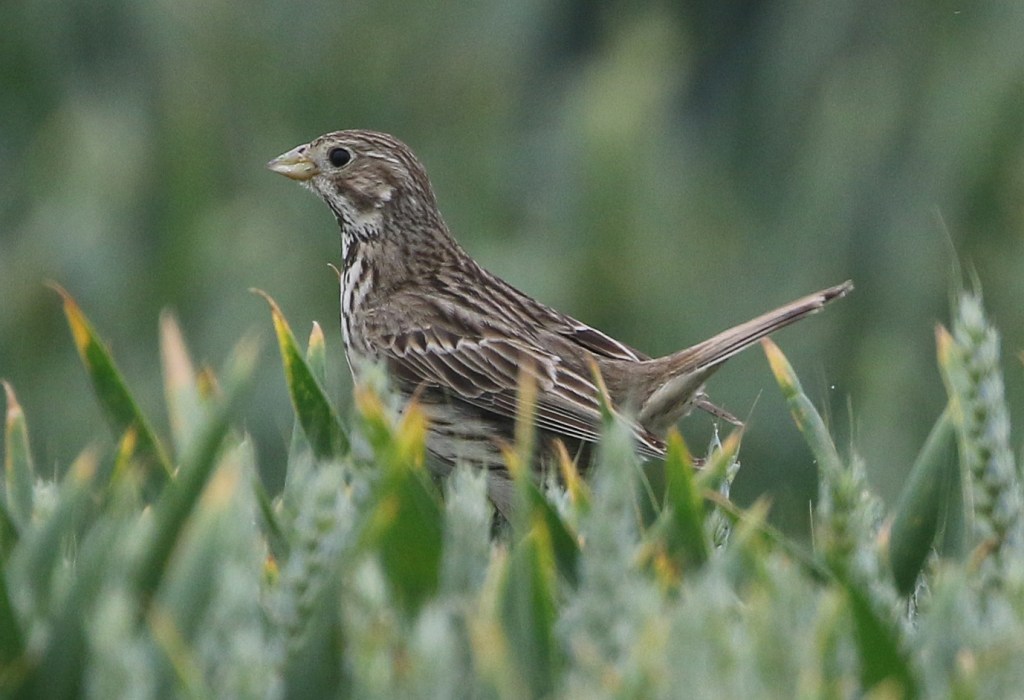
Corn Bunting, Feltwell, 12th May

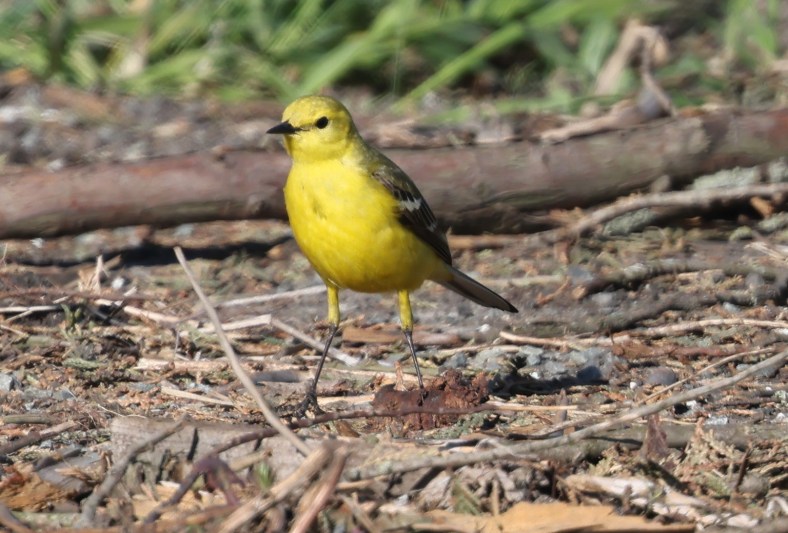
Yellow Wagtail, Feltwell, 12th May

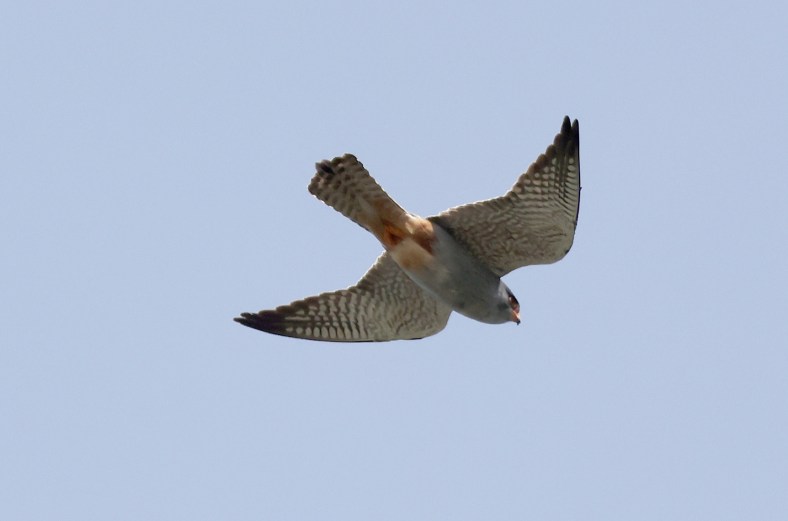
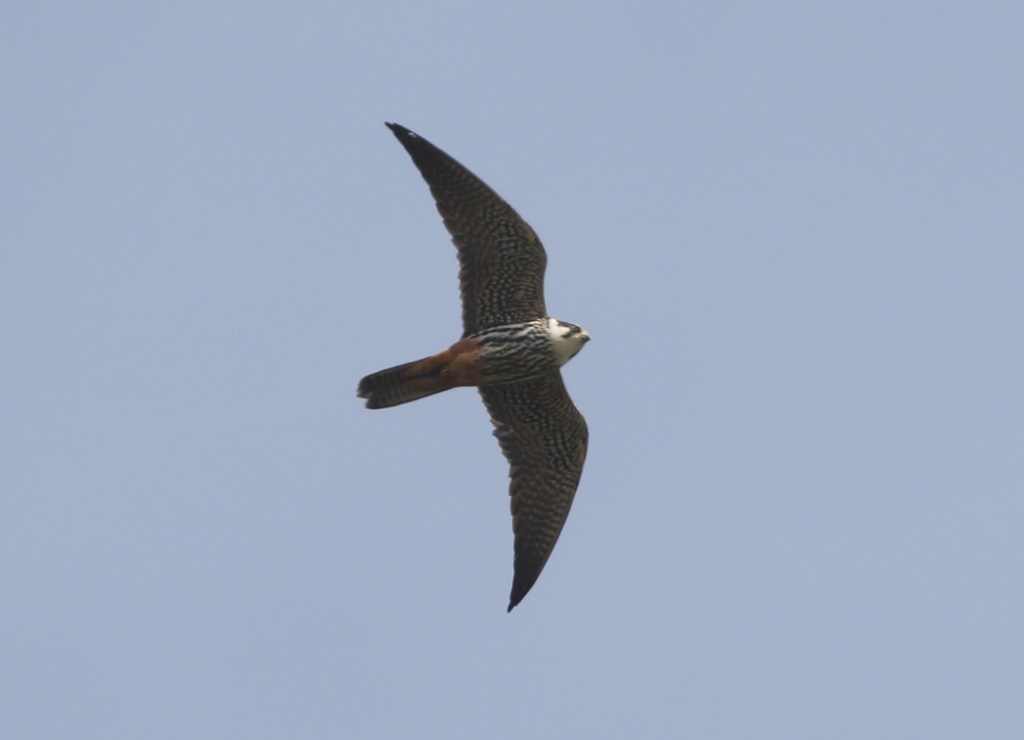
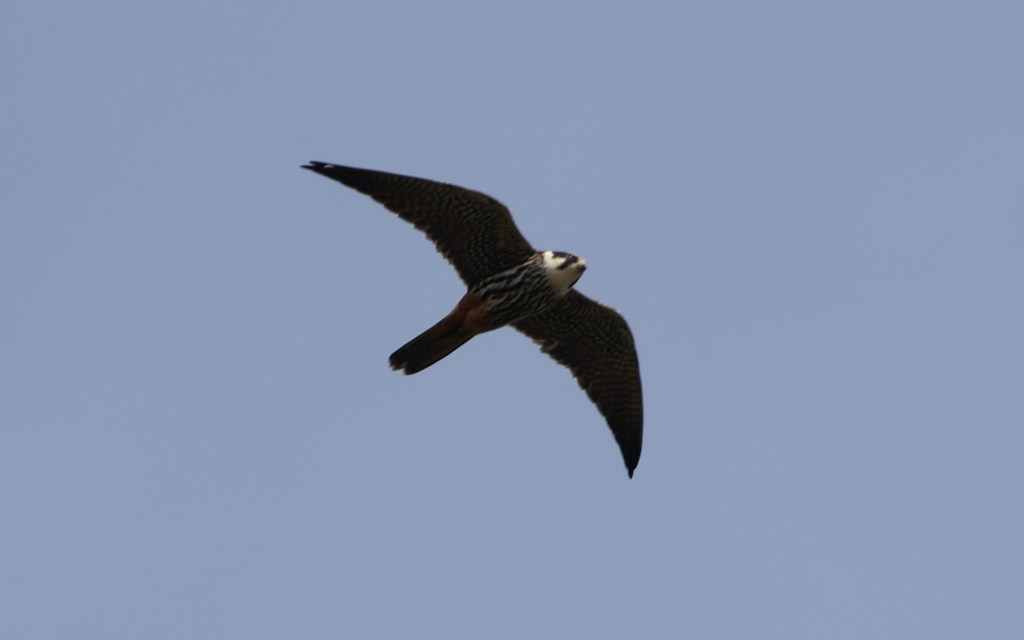
Red-footed Falcon, Burgh St Peter, 11th May

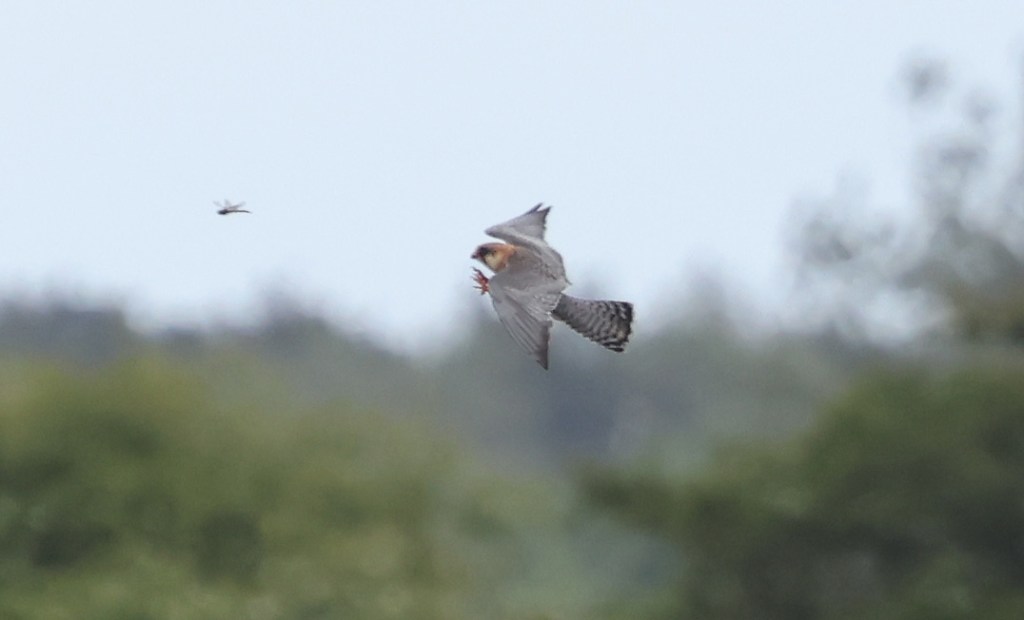
Red-footed Falcon, Hickling, 6th May

Osprey, Martham Broad, 6th May

Fieldfare, Cockley Cley 5th May

Temminck’s Stint, 4th May, Hickling

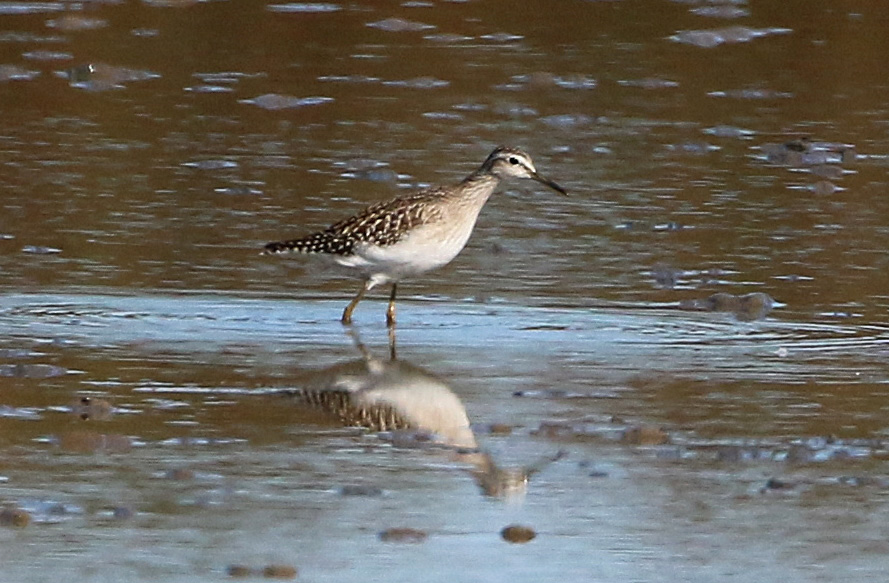
Wood Sandpiper, Hickling, 2nd May

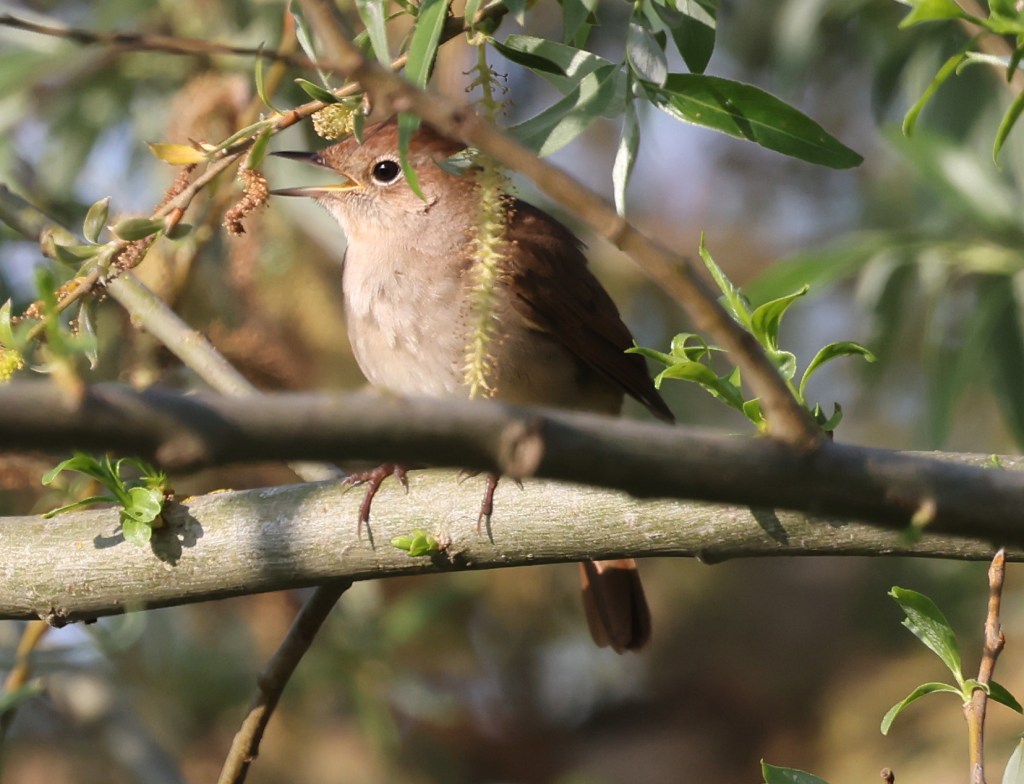
Nightingale, 1st May

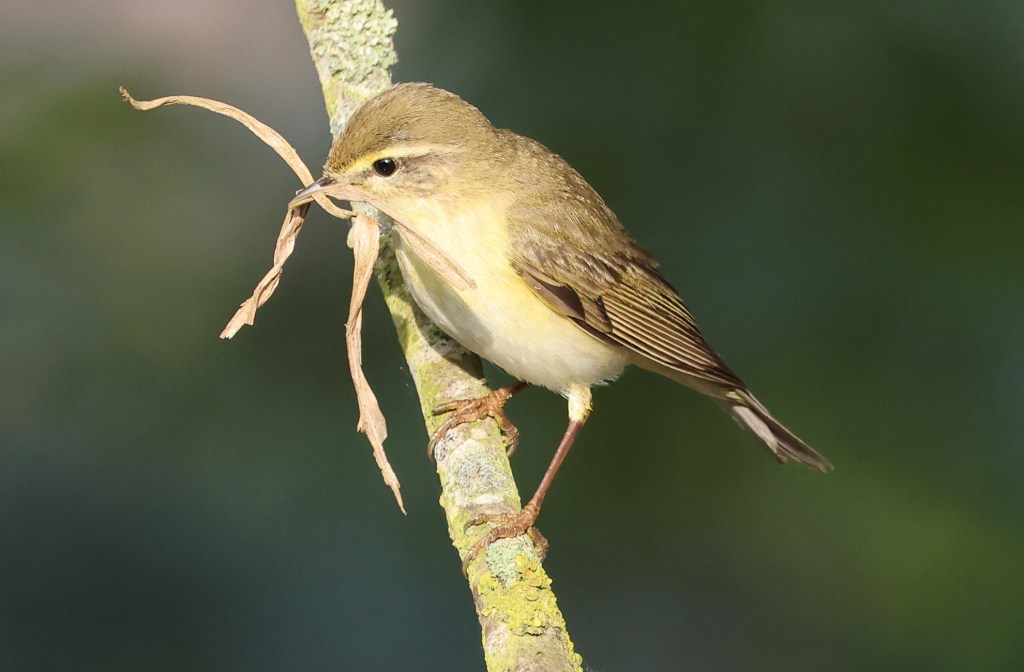
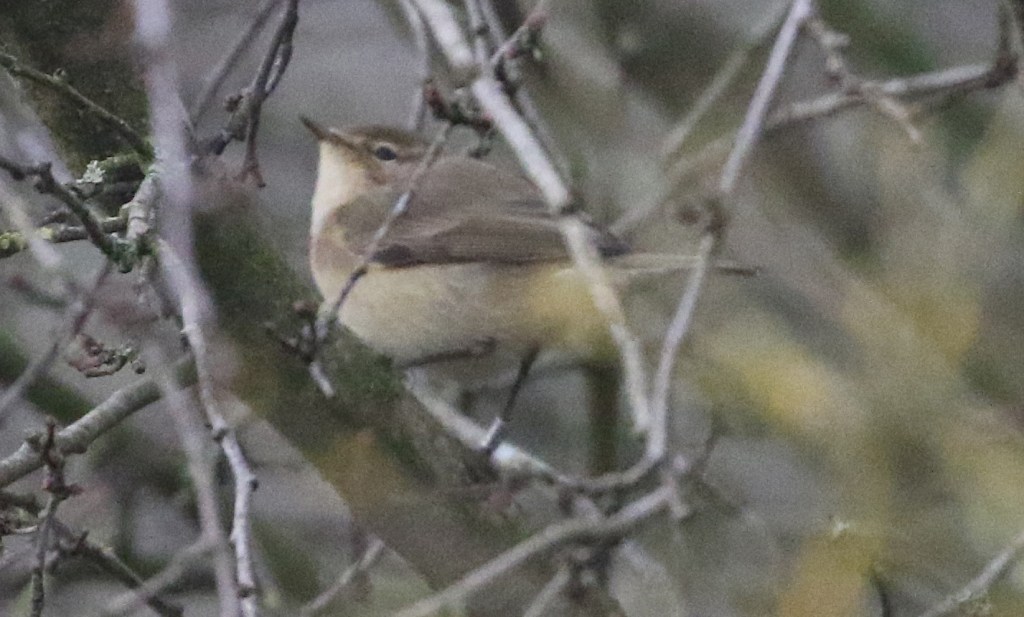
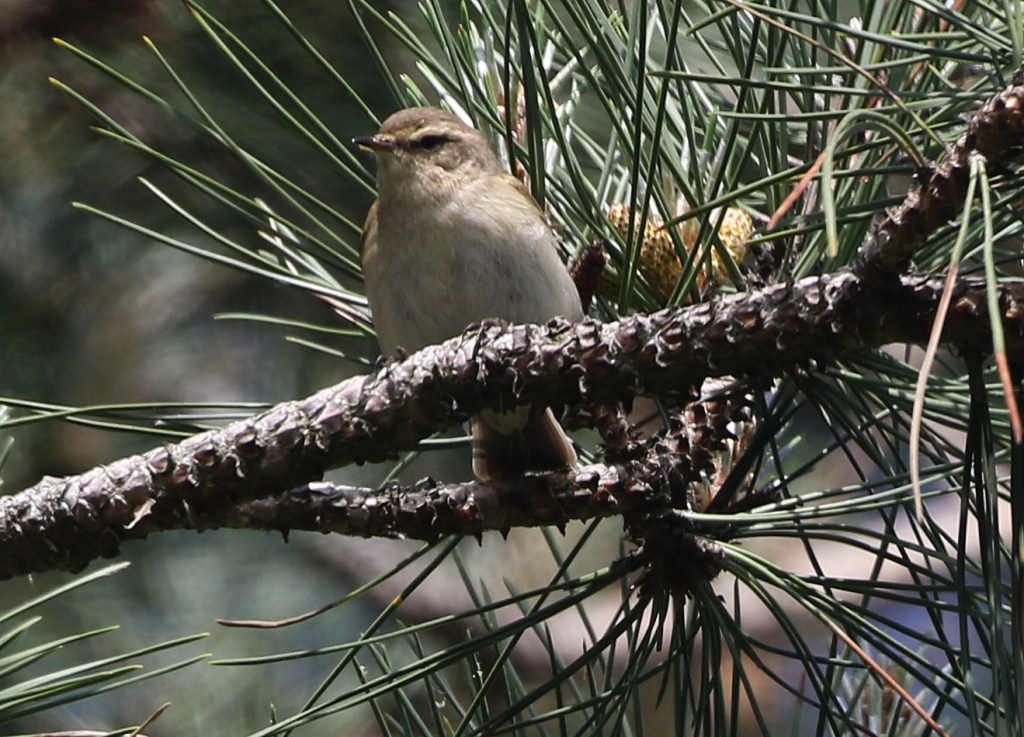
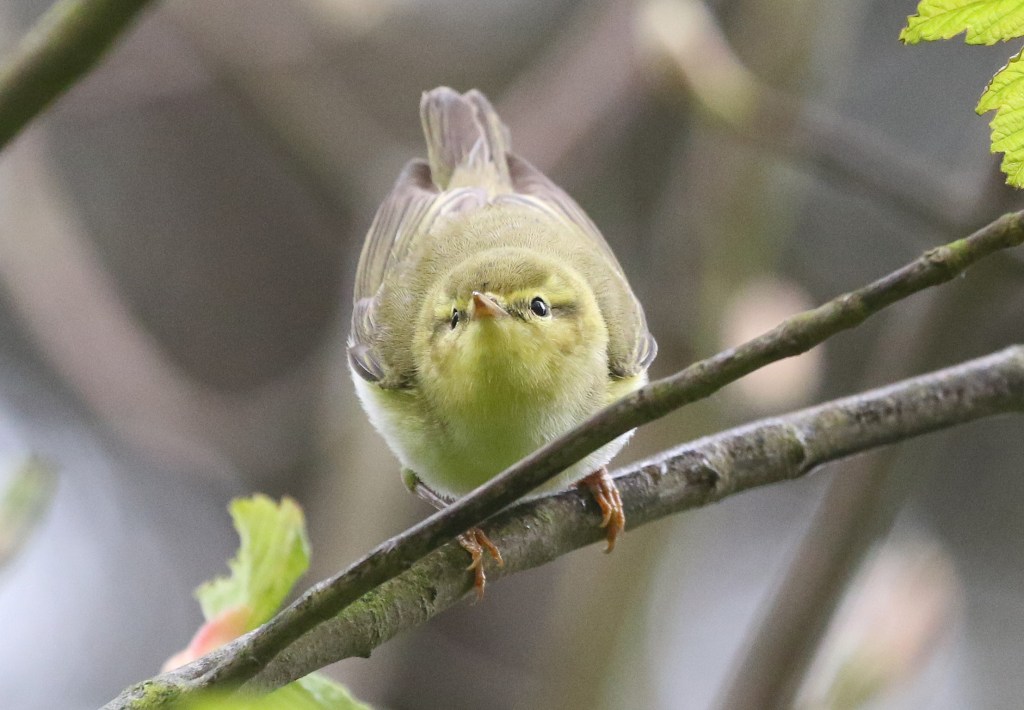
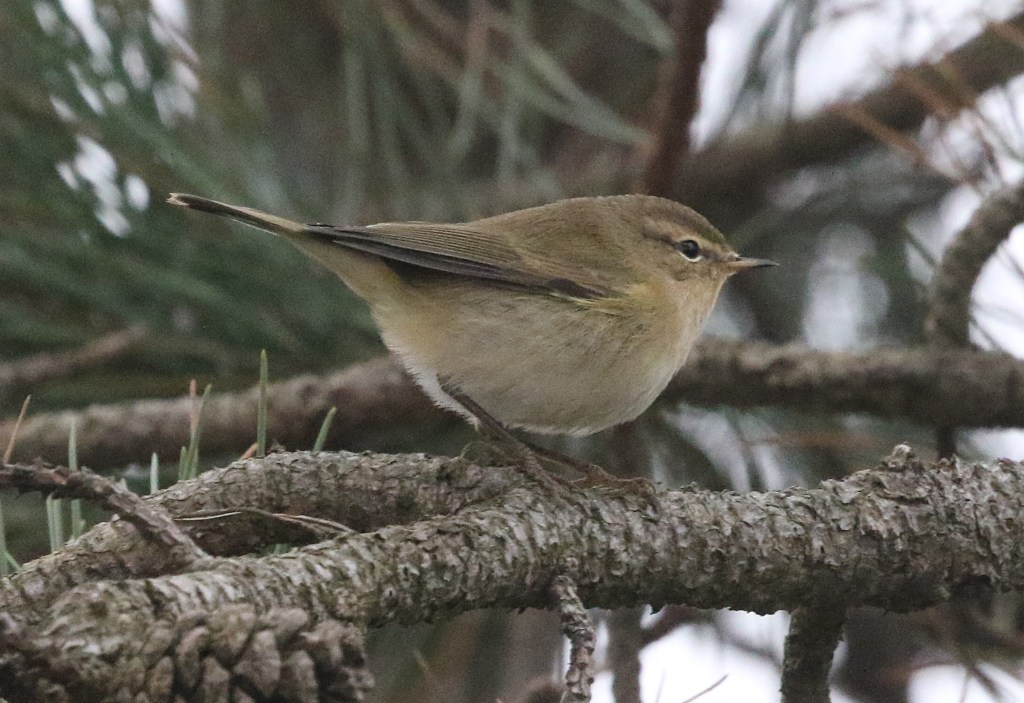
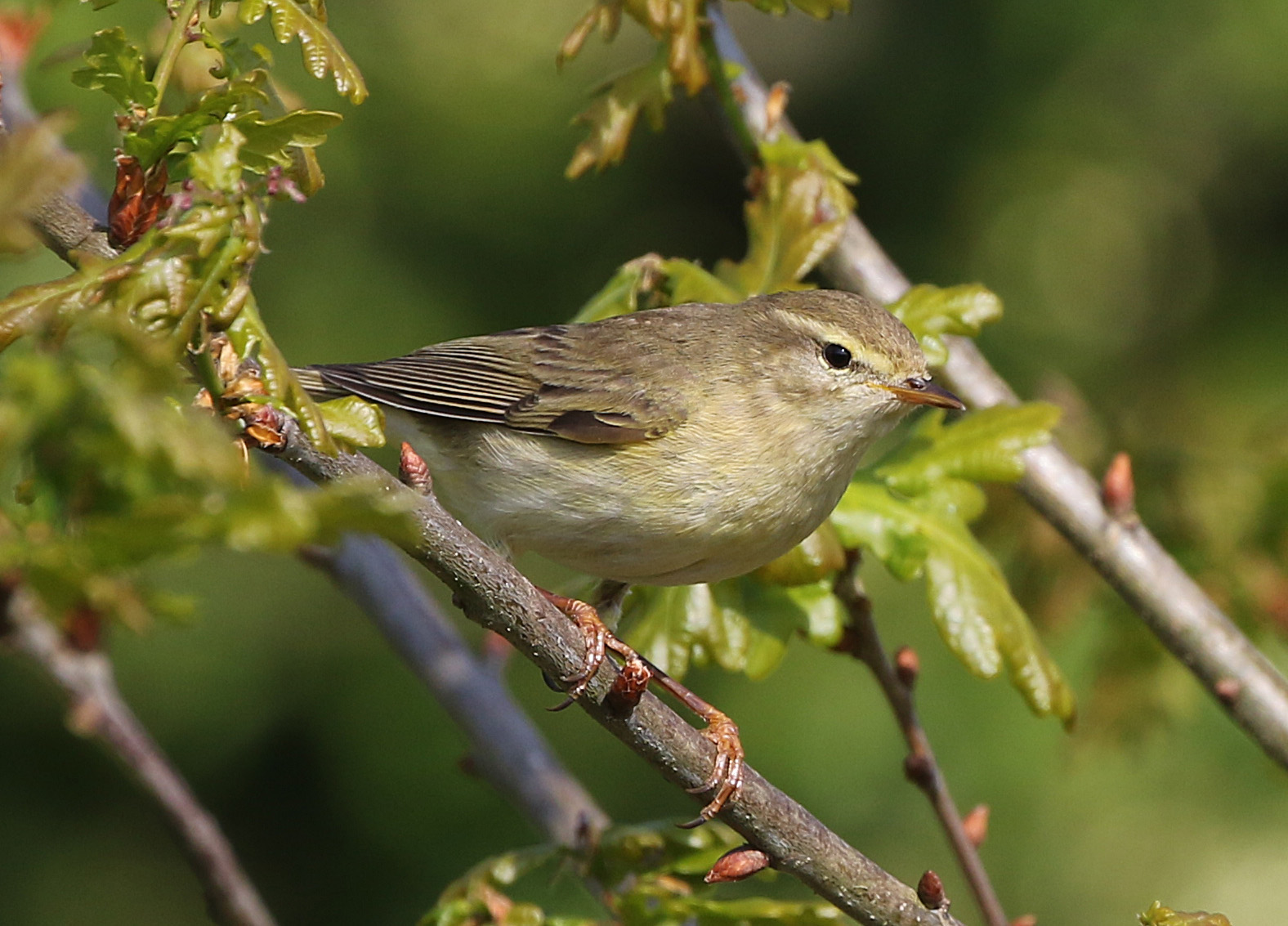
Willow Warbler, Hickling, 30th April

Temmincks Stint, Cley, 29th April

Tree Pipit, Cockley Cley, 27th April

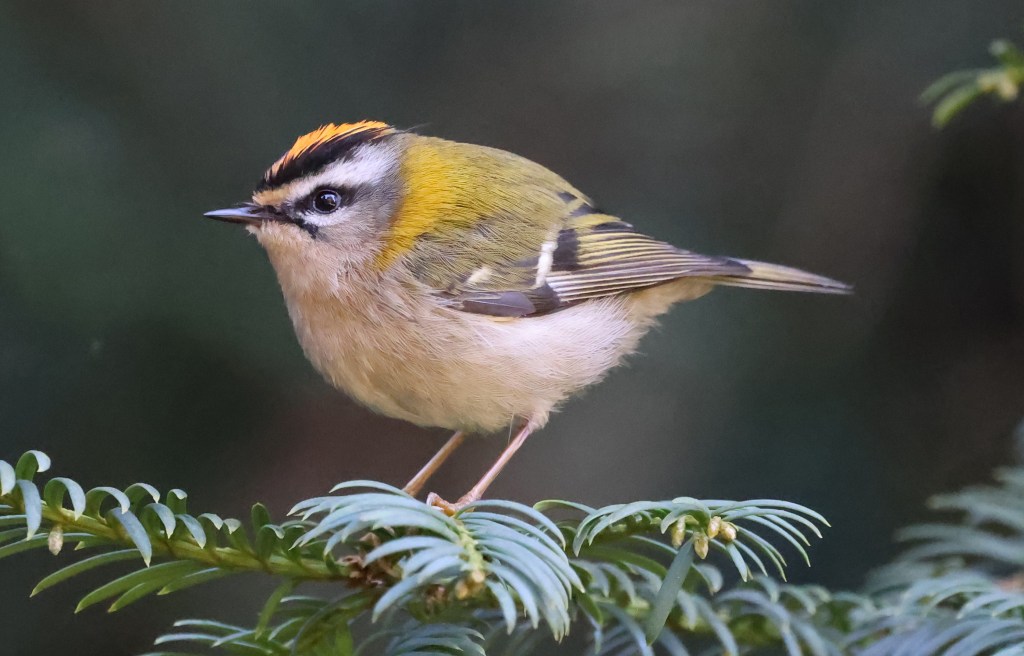
Firecrest, Cockley Cley, 20th March

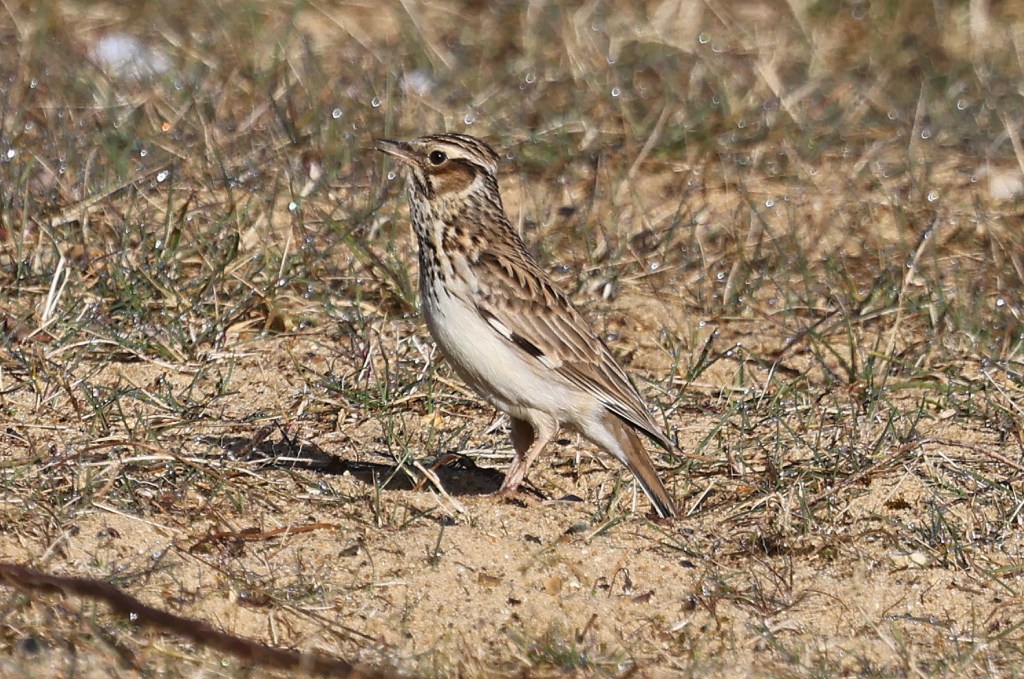
Woodlark, Cockley Cley, 15th March

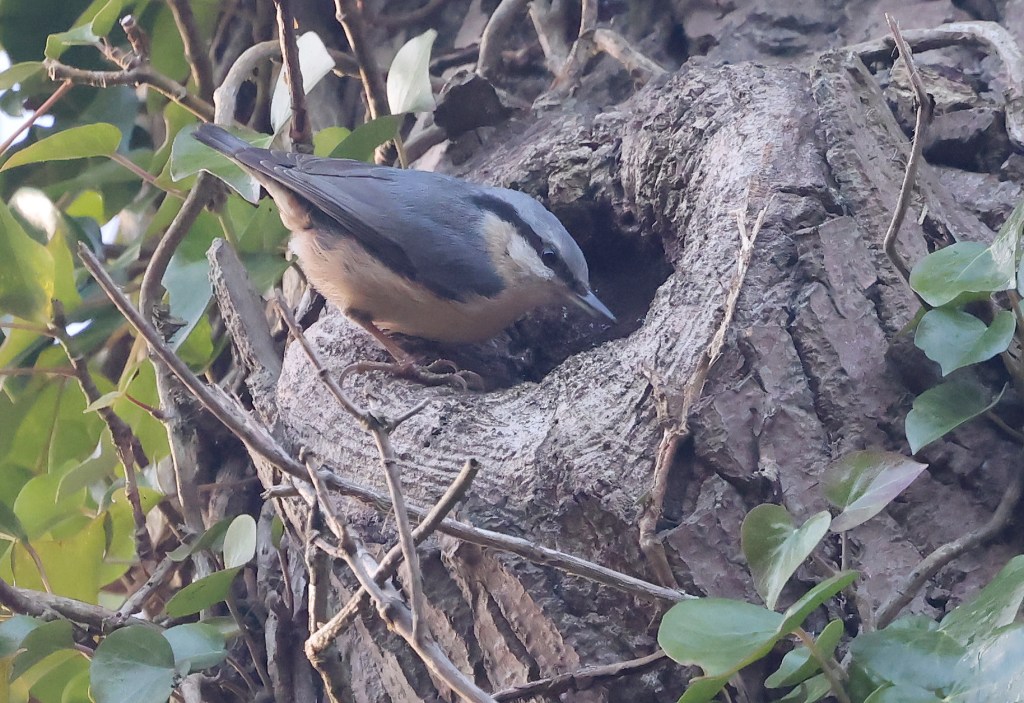
Nuthatch, Cockley Cley 15th March

White-tailed Eagle, Cley 14th March

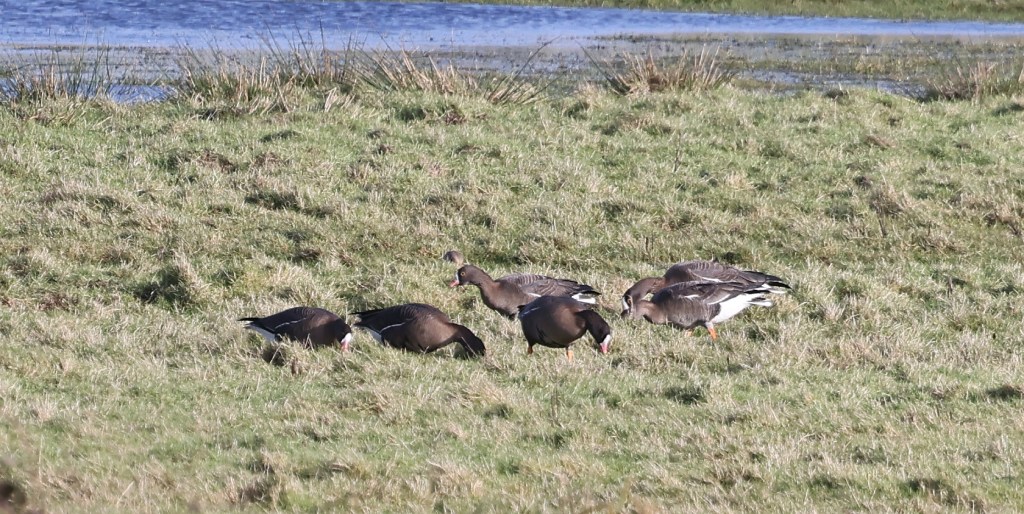
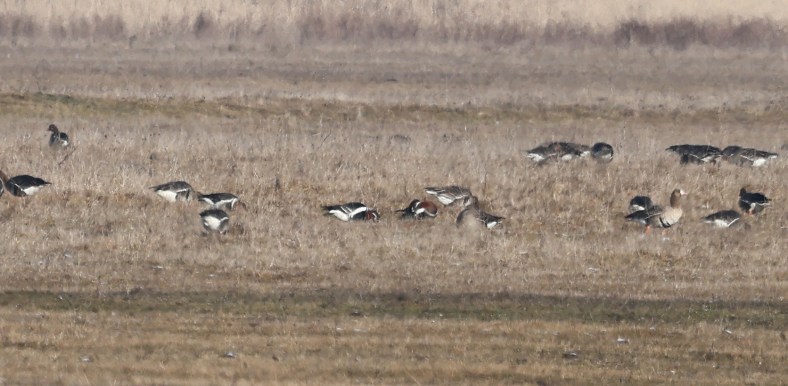
Lesser White-fronted Goose, Cley, 14th March

Pintail, Cley, 14th March

Wigeon, Cley, 14th March

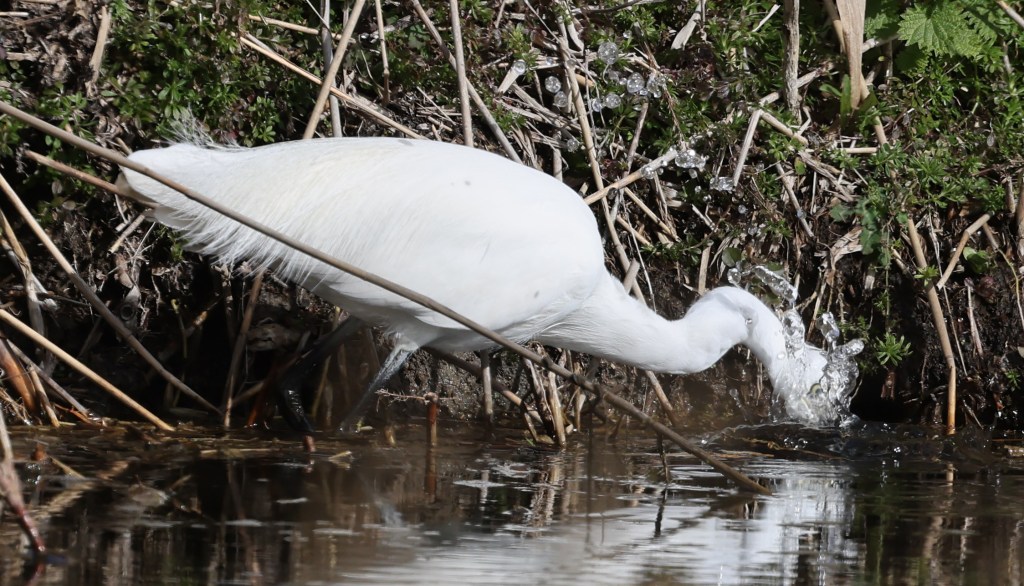
Little Egret, Cley 14th March

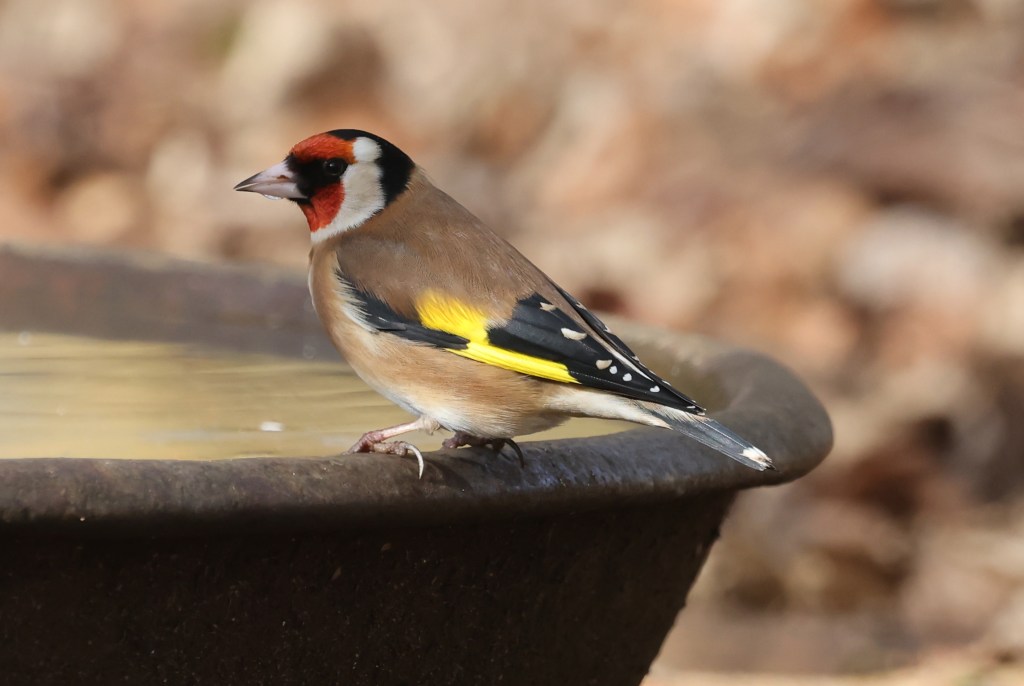
Goldfinch, 5th March

Yellowhammer, 5th March

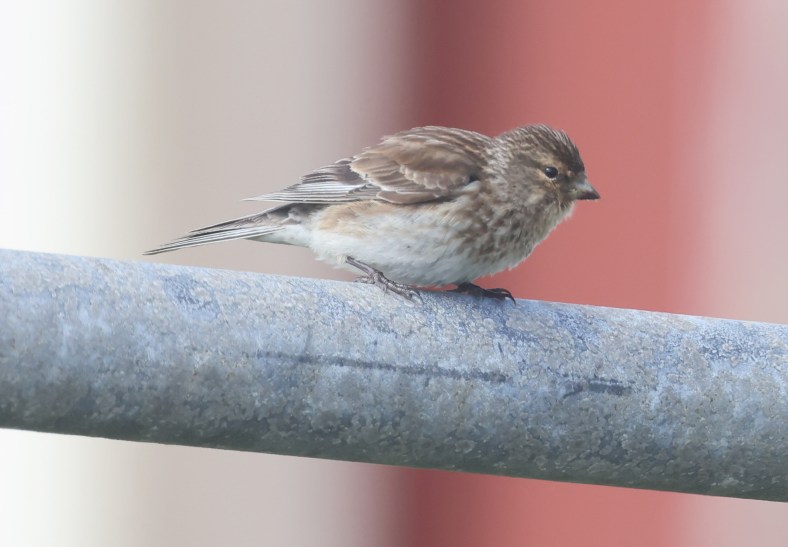
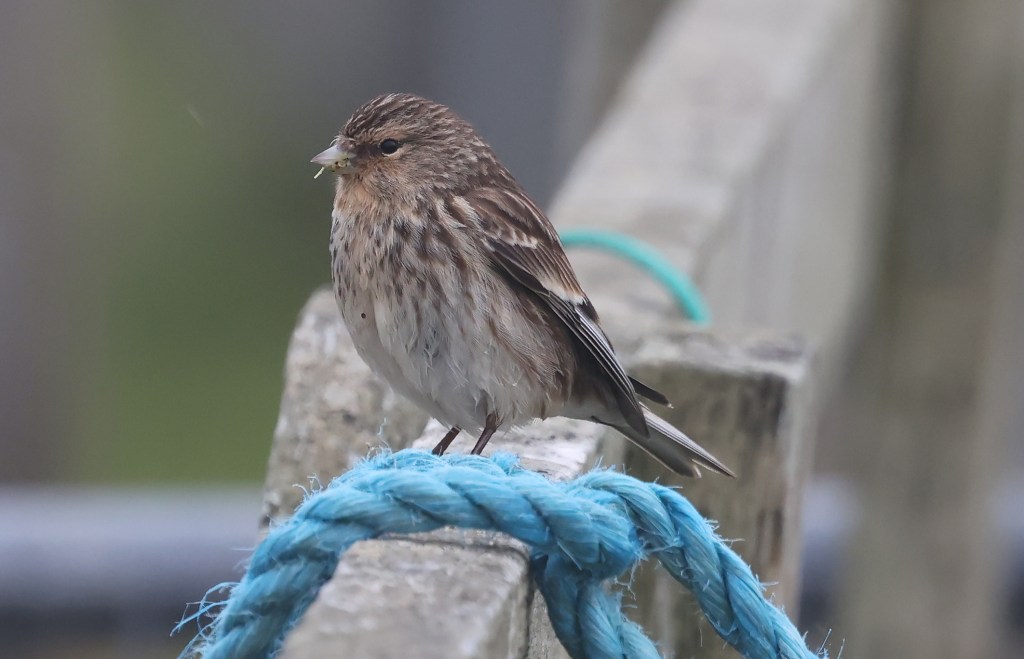
Twite, Ongar Hill, 3rd March

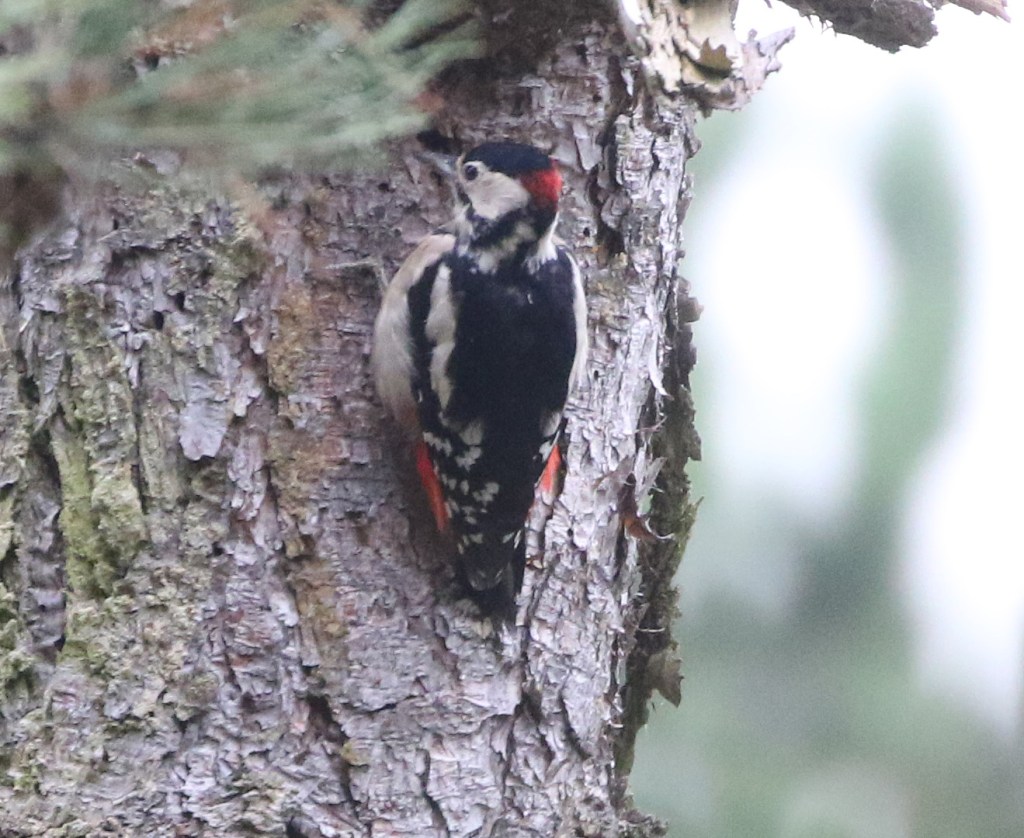
Lesser-spotted Woodpecker, female 3rd March

Scaup, Snettisham, 1st March

Velvet Scoter, Holkham Bay, 1st March

Twite, Ongar Hill, 1st March,

Lesser-spotted Woodpecker, 28th February

Lesser-spotted Woodpecker, 28th February

Lesser-spotted Woodpecker, 28th February

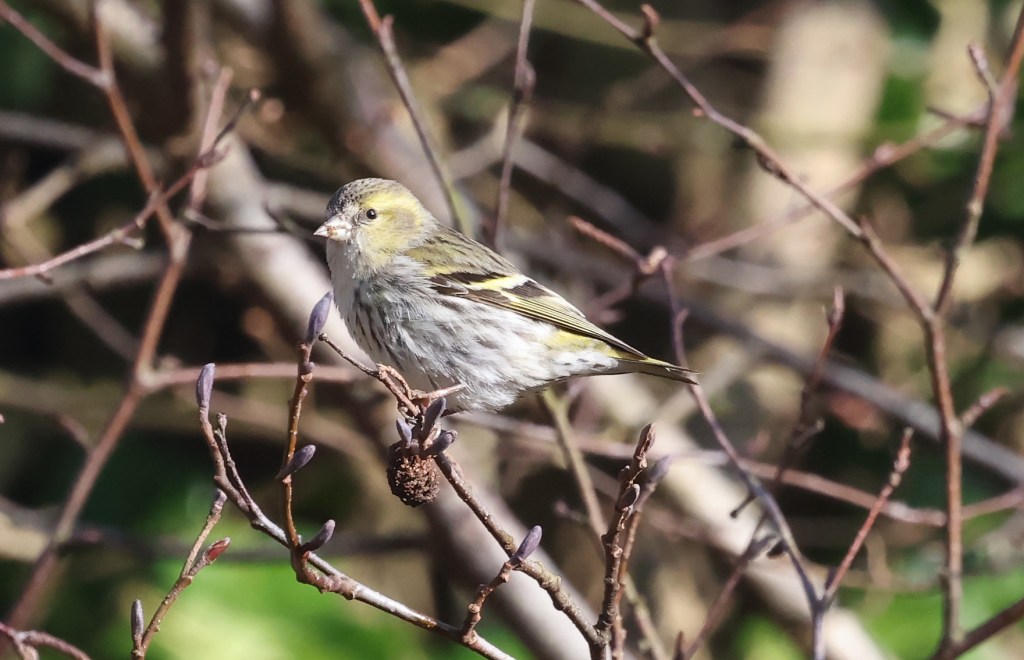
Siskin, Cockley Cley, 28th February

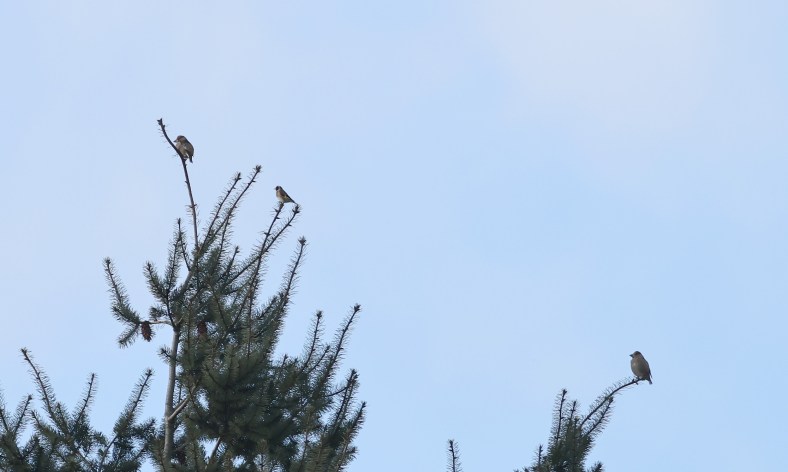
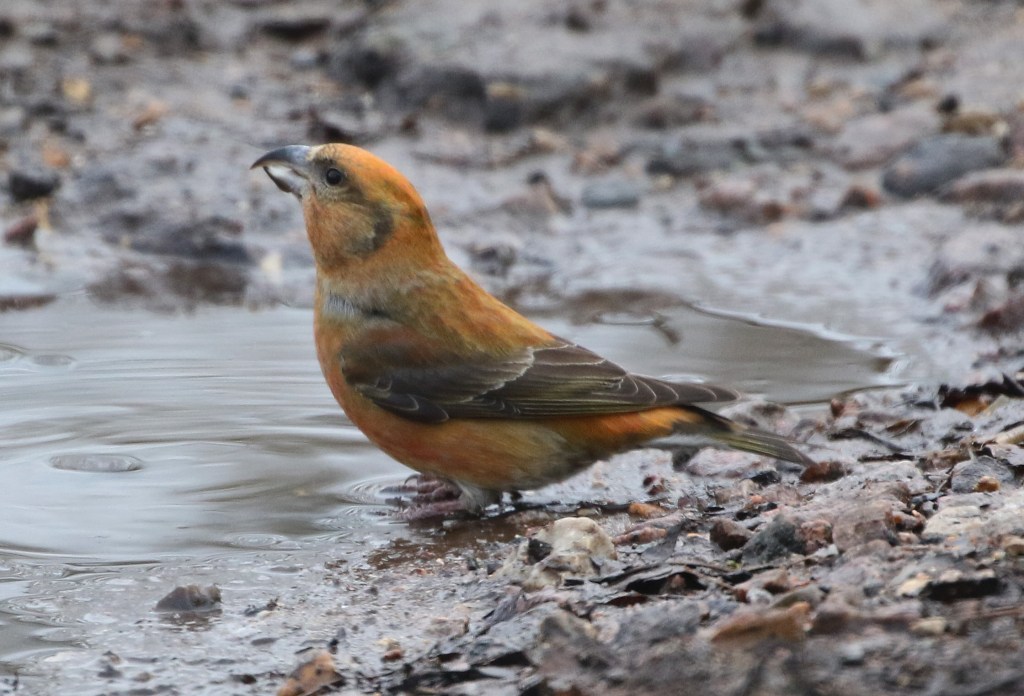
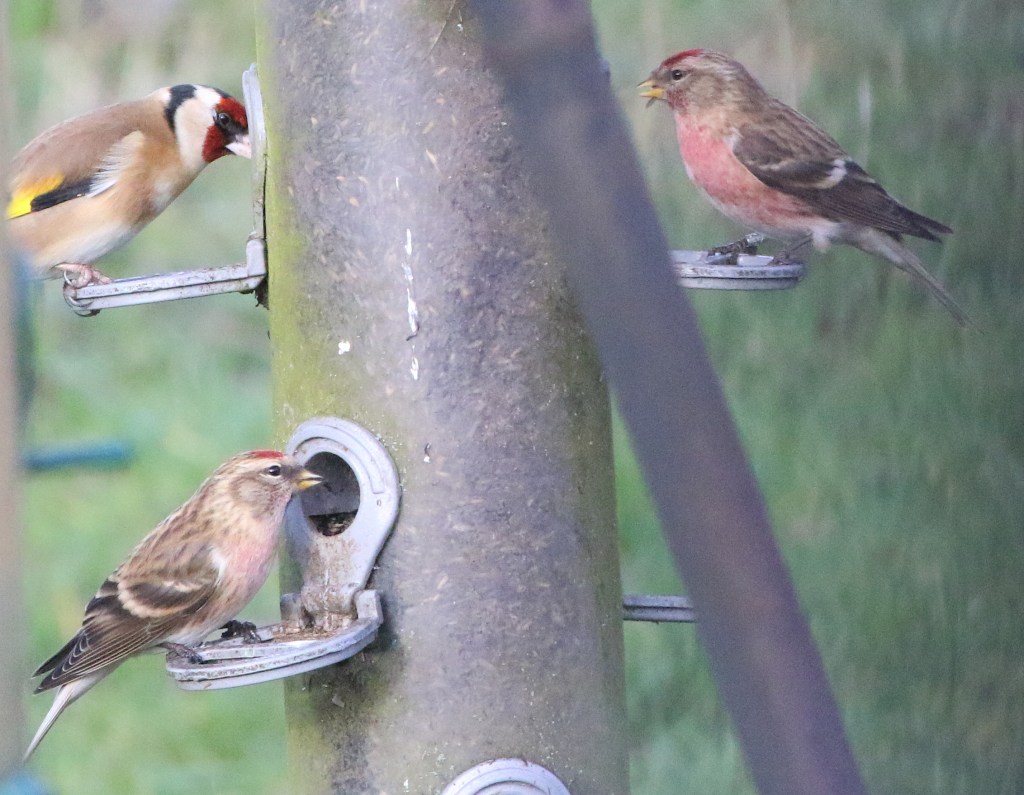
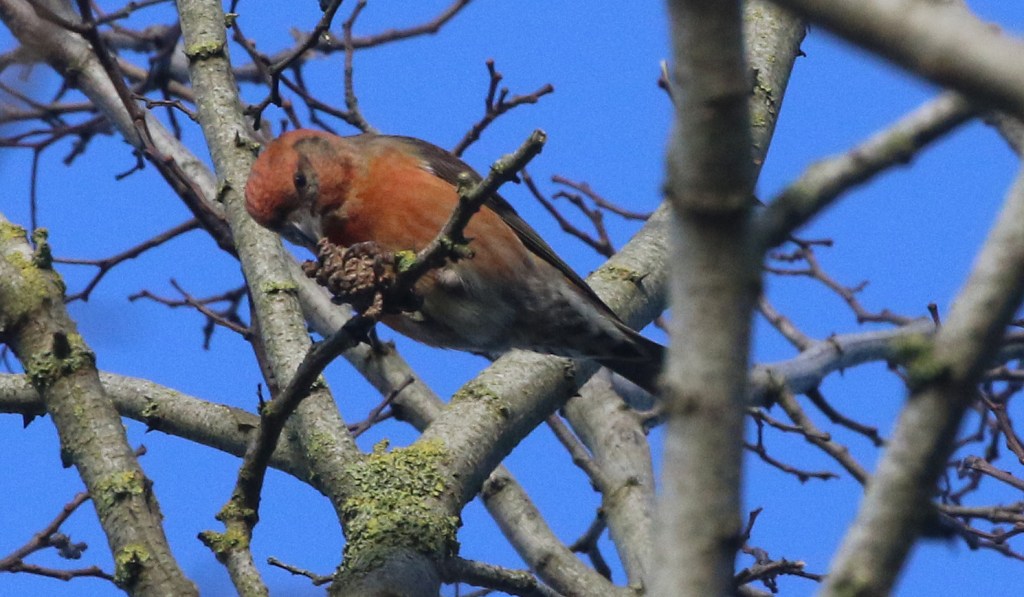
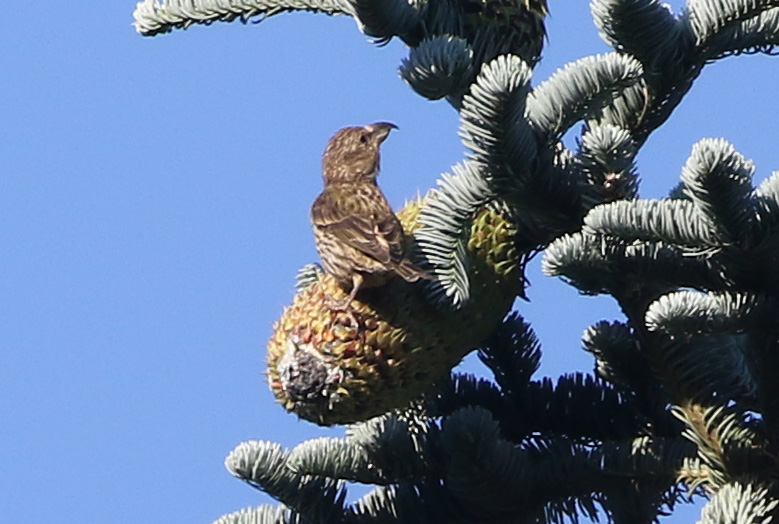
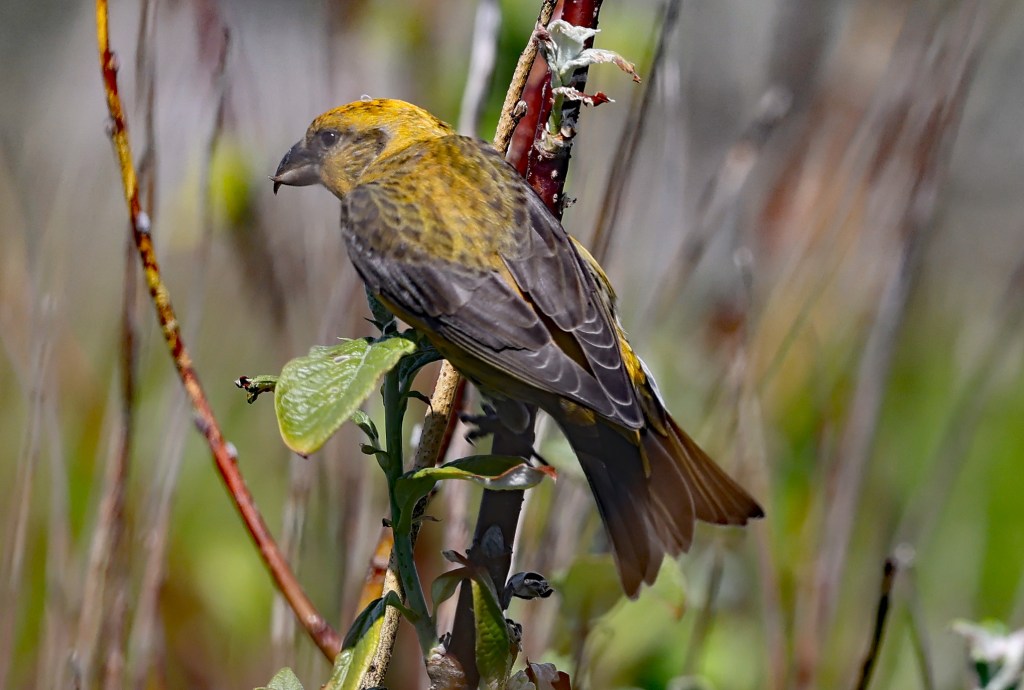
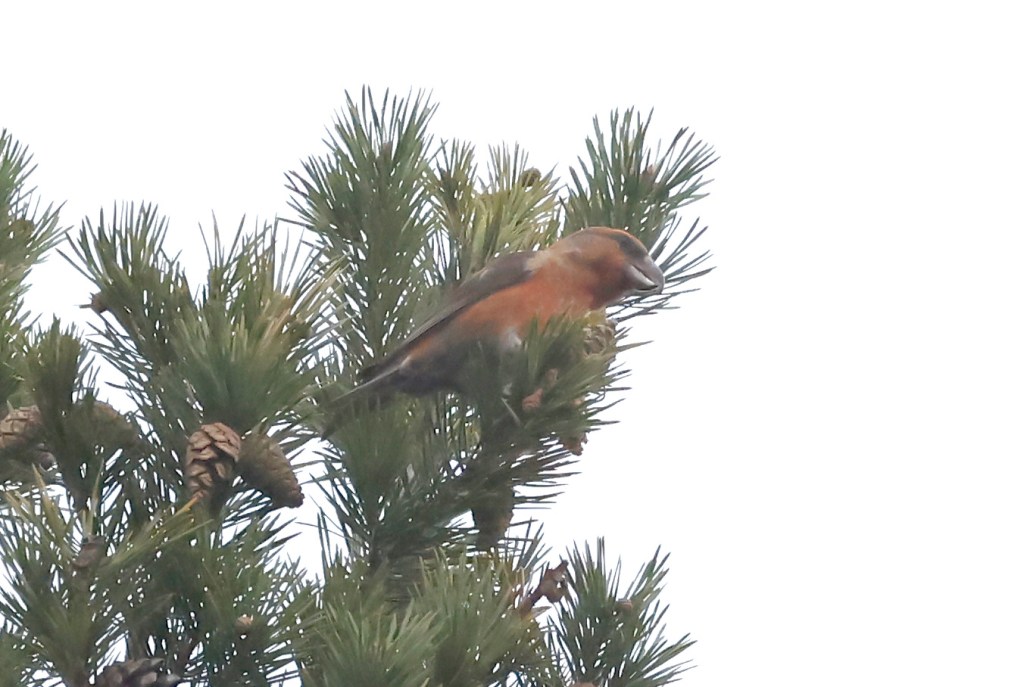
Crossbill, 28th February

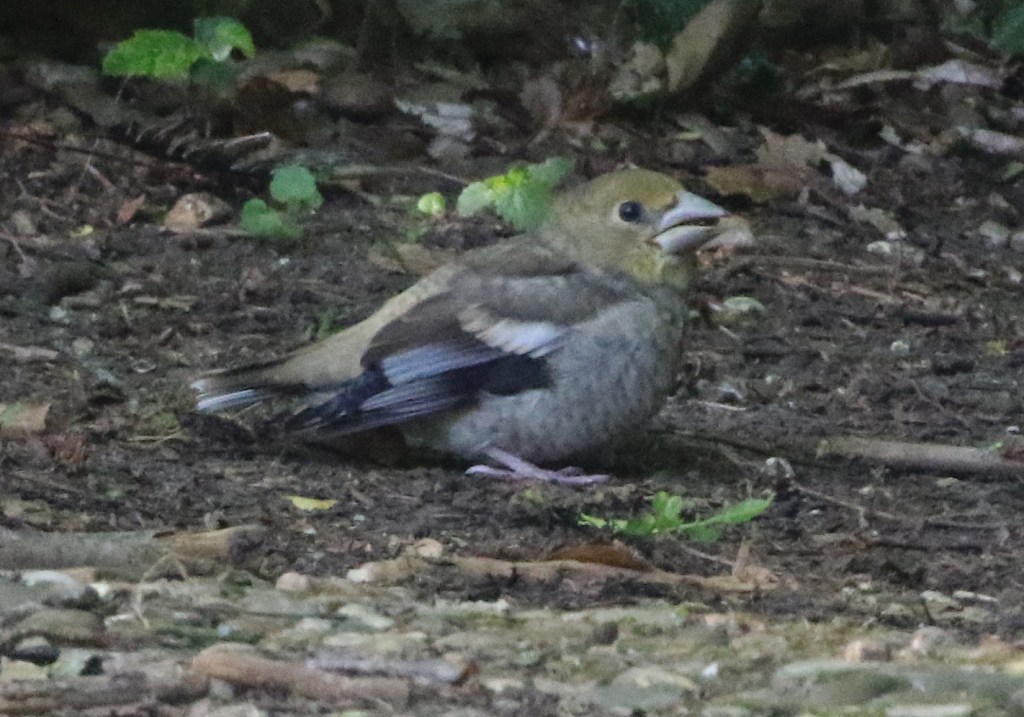
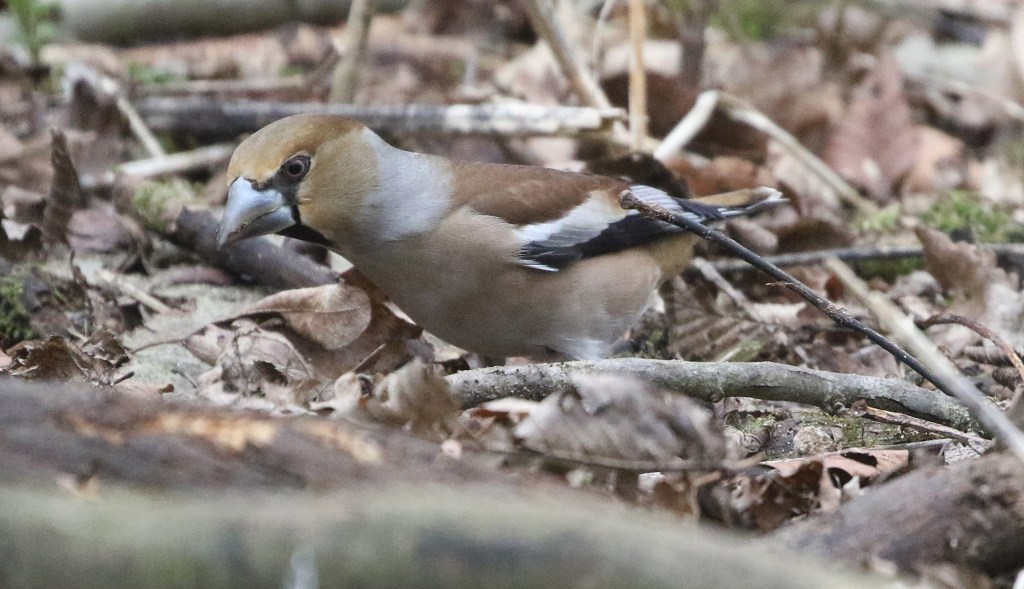
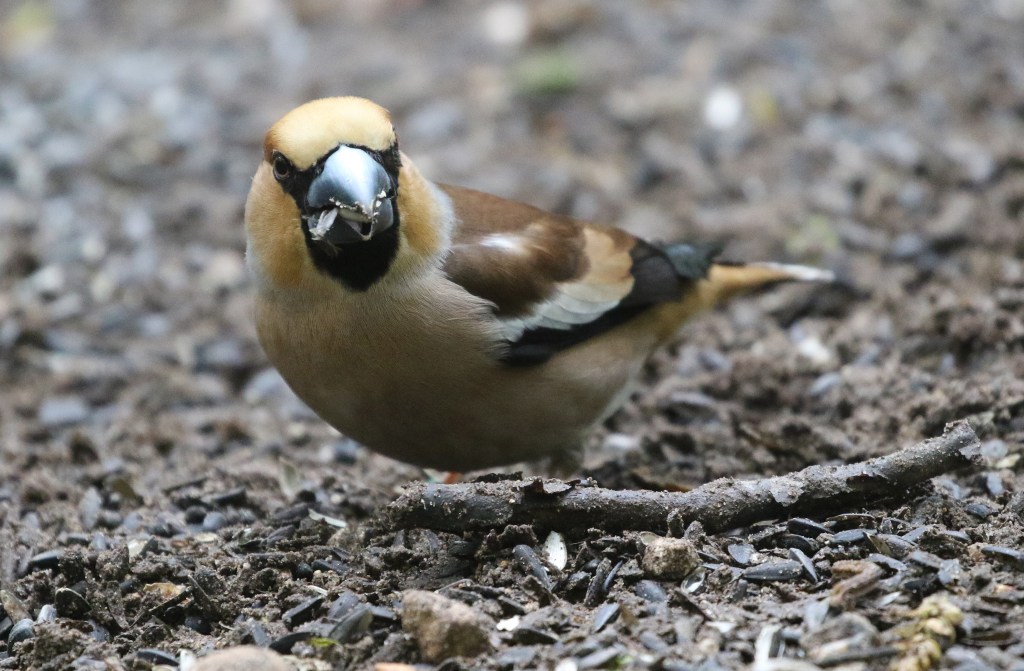
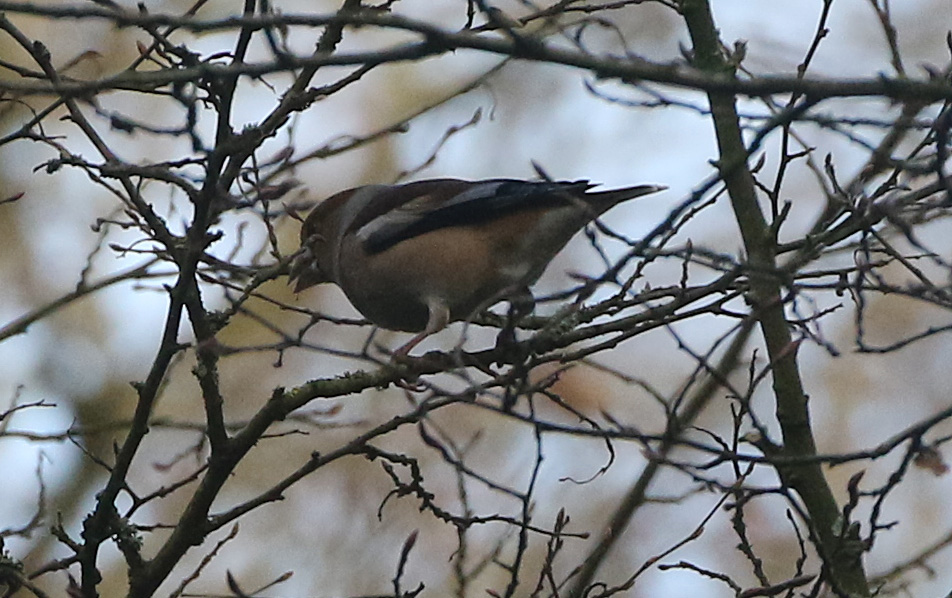
Hawfinch, Lynford, 28th February

Jay, 28th February

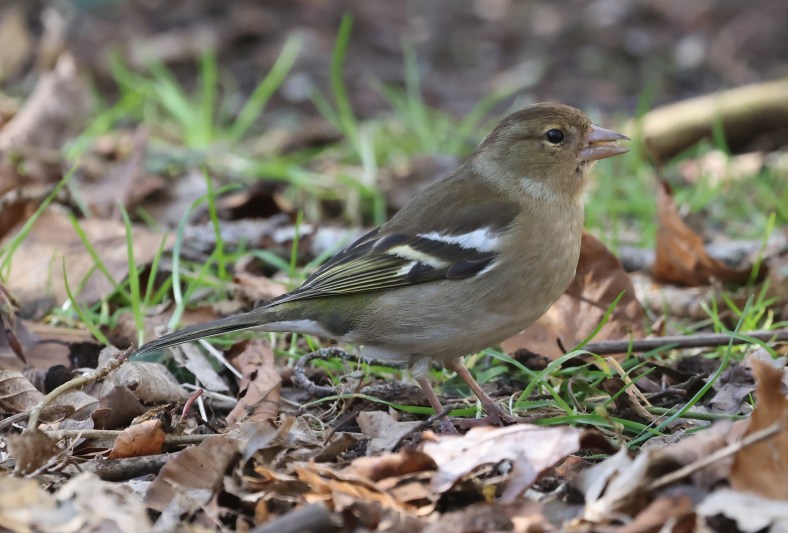
Chaffinch, 28th February

Chaffinch, 28th February

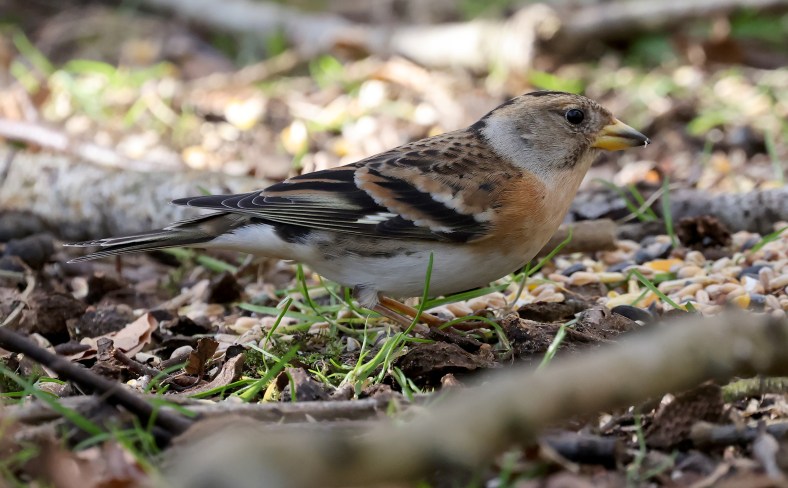
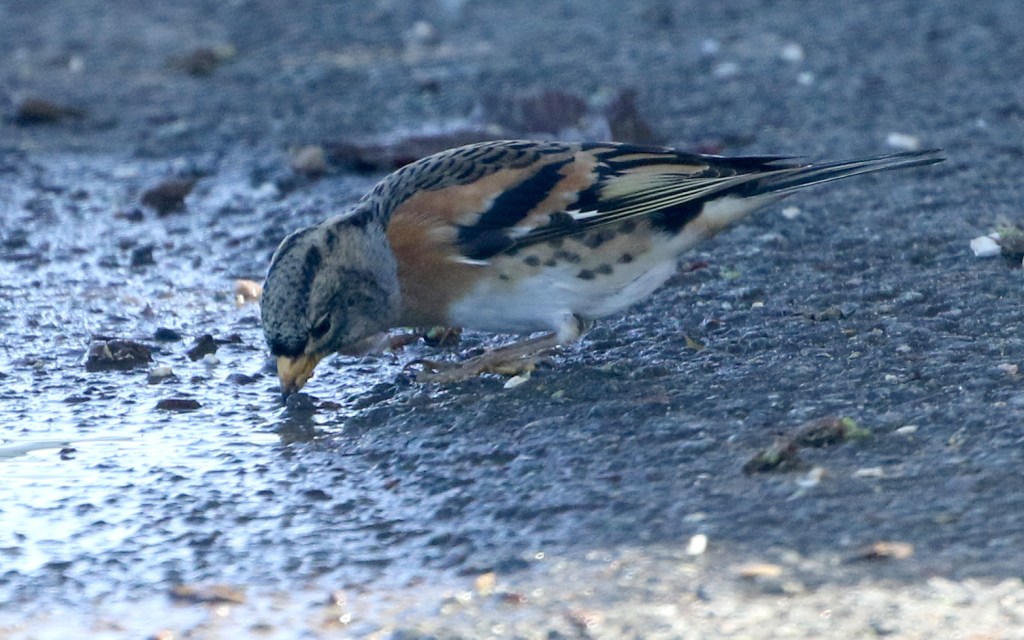
Brambling, 28th February

Yellowhammer, 28th February

Yellowhammer, 28th February

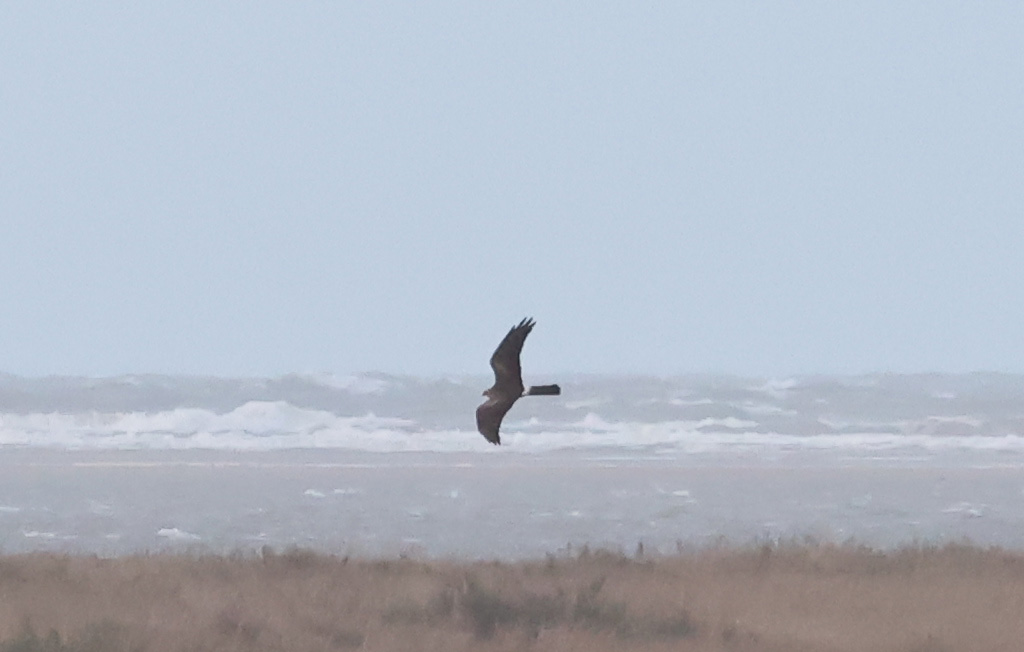
Pallid Harrier, Warham Greens, 27th February

Lesser White-fronted Goose, Stiffkey Flood, 27th February

Lesser White-fronted Goose, Stiffkey Flood, 27th February

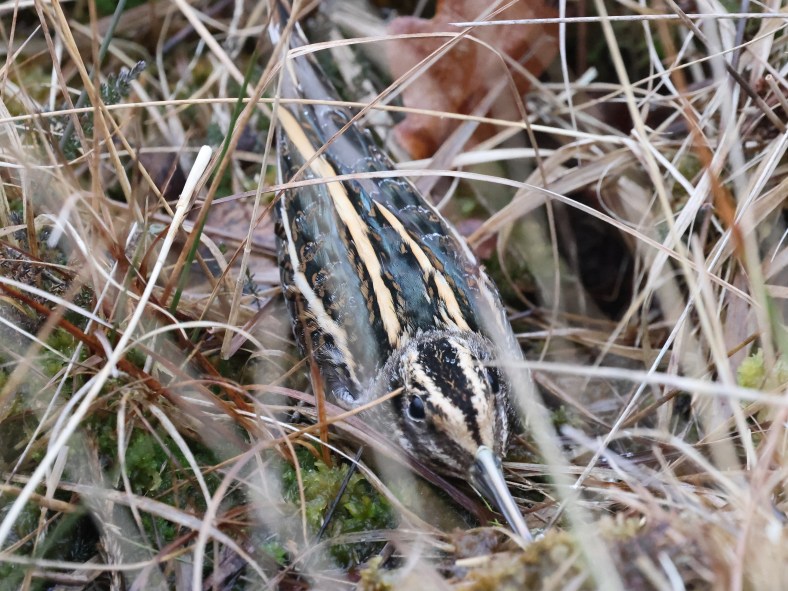
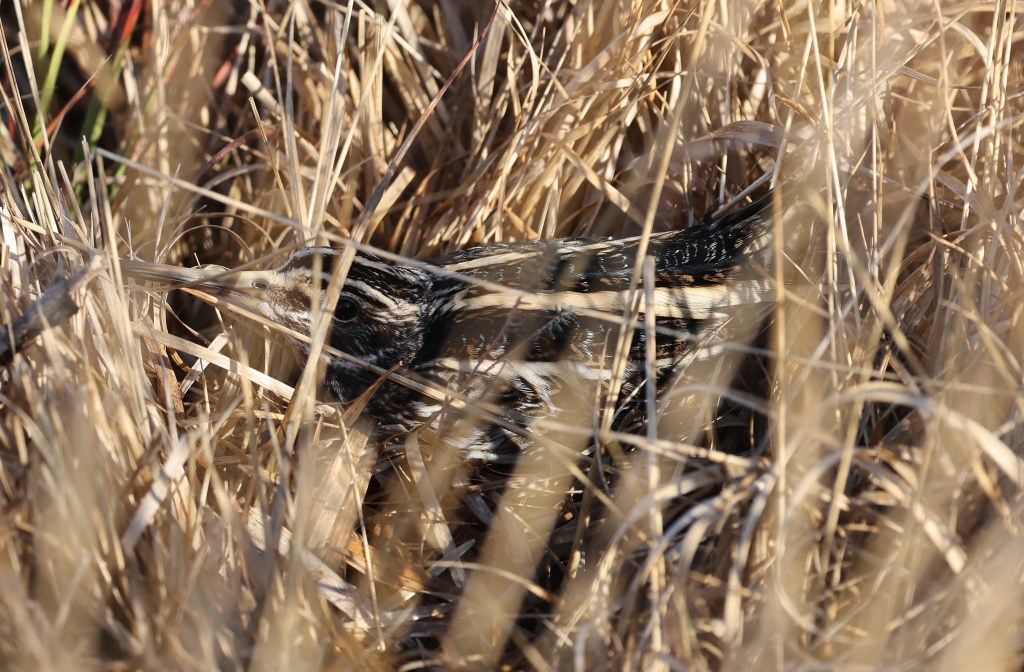
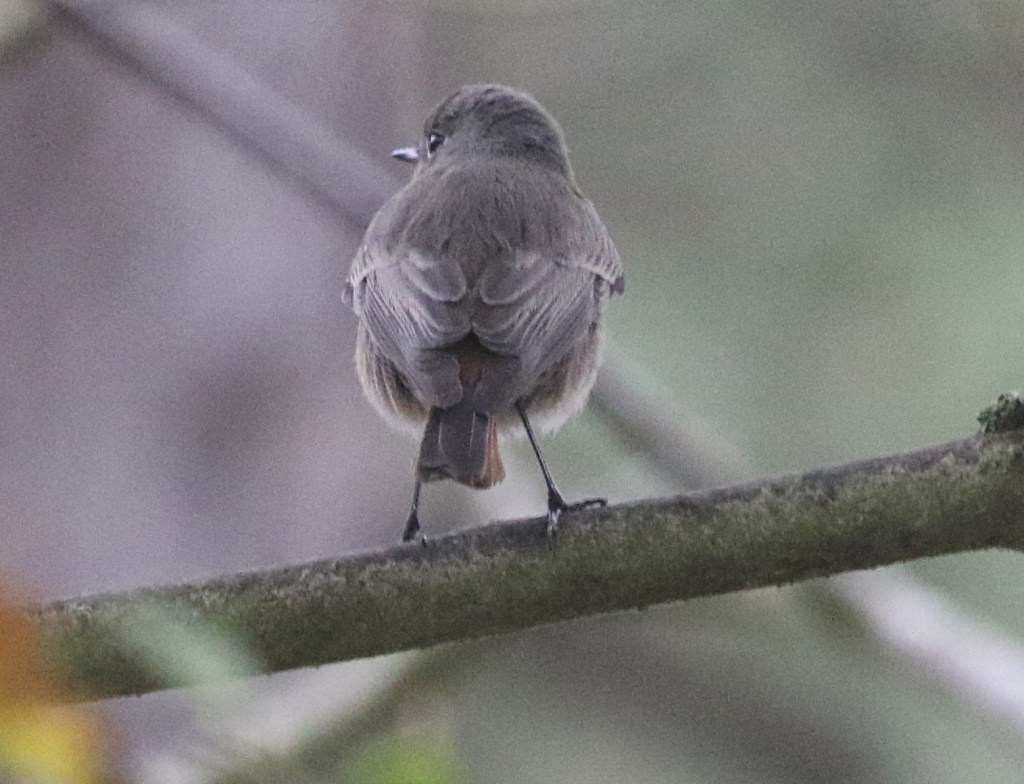
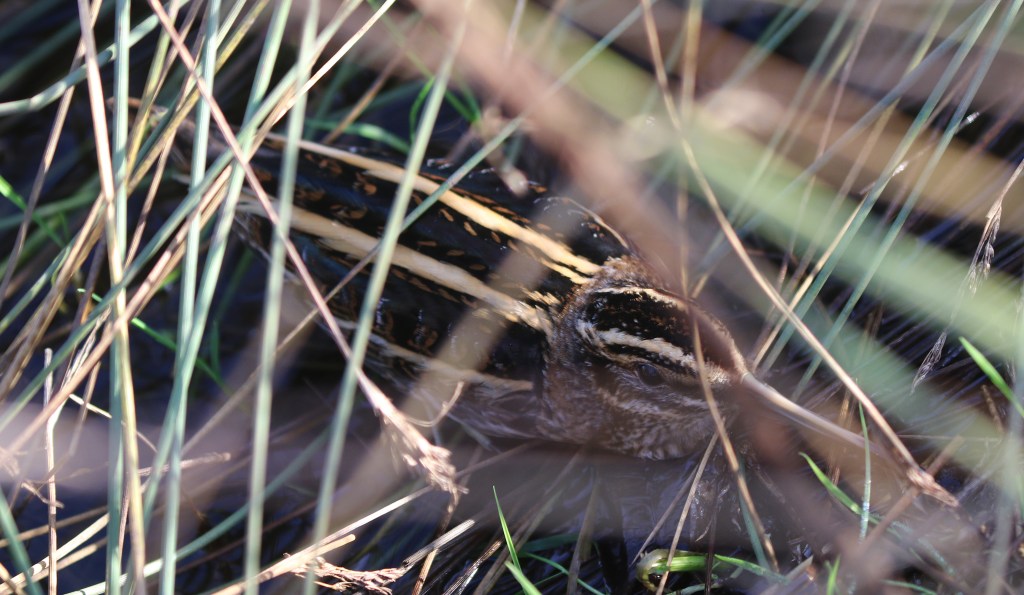
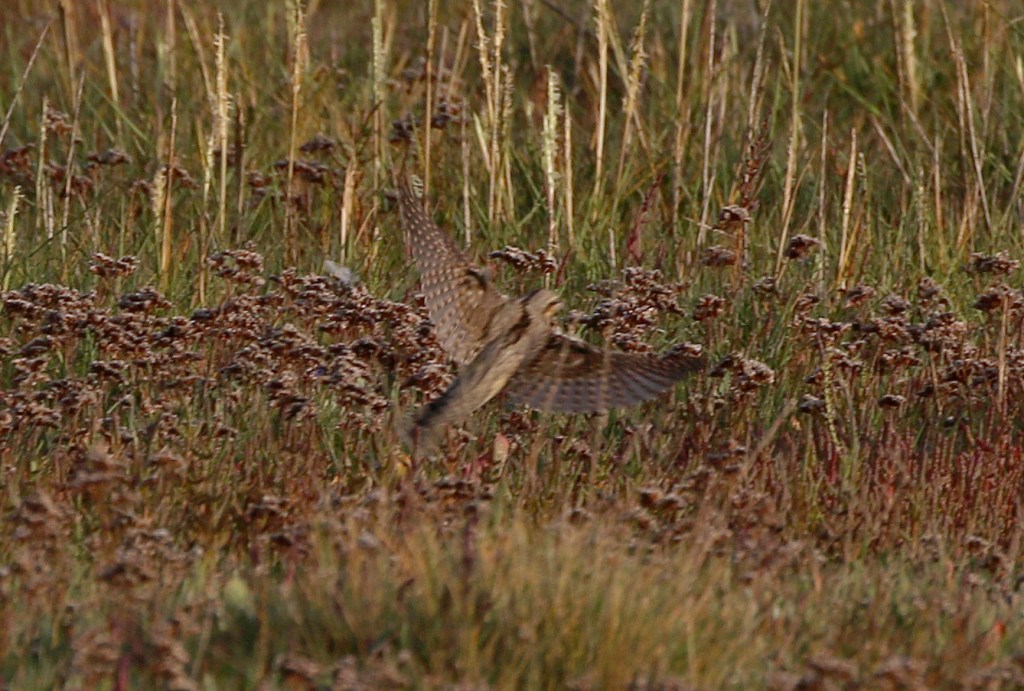
Jack Snipe, 10th February

Jack Snipe, 10th February

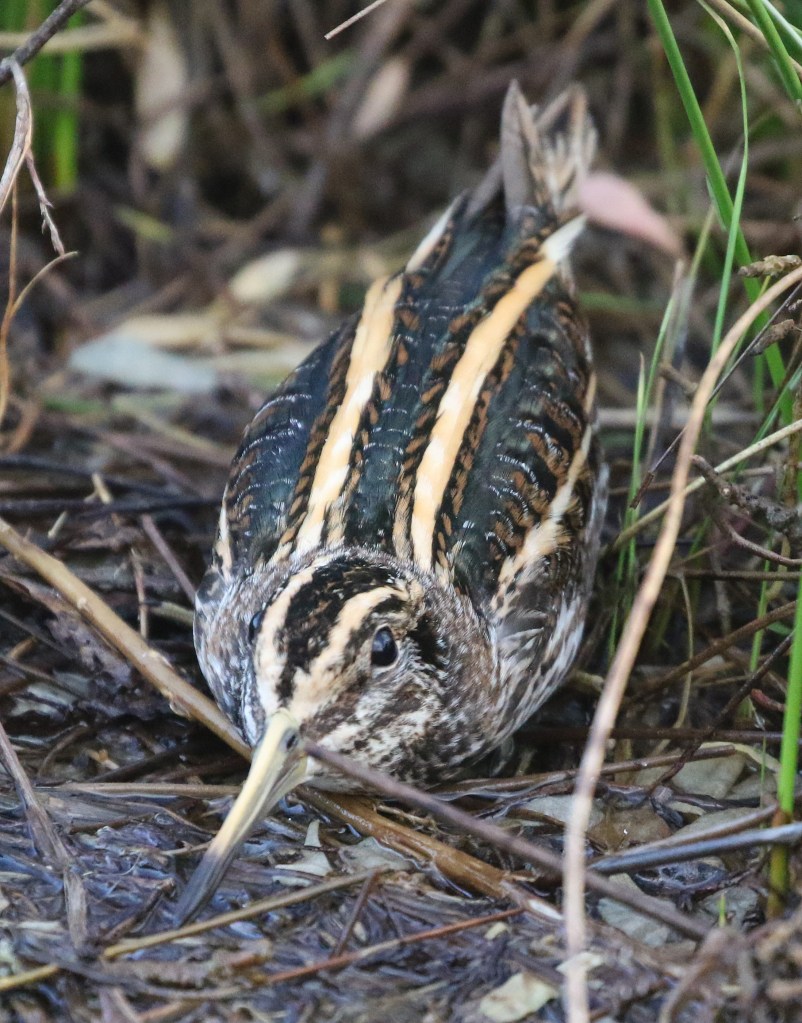
Jack Snipe, Norfolk, 30th January

Jack Snipe, Norfolk 30th January

Jack Snipe, Norfolk 30th January

Hawfinch, Lynford, 29th January

Corn Bunting, Feltwell, 29th January

Tundra Bean Goose, Weybourne, 28th January

Shore Lark, Old Hunstanton, 27th January

Lesser White-fronted Goose, Snettisham, 27th January

Lesser White-fronted Goose, Snettisham, 27th January

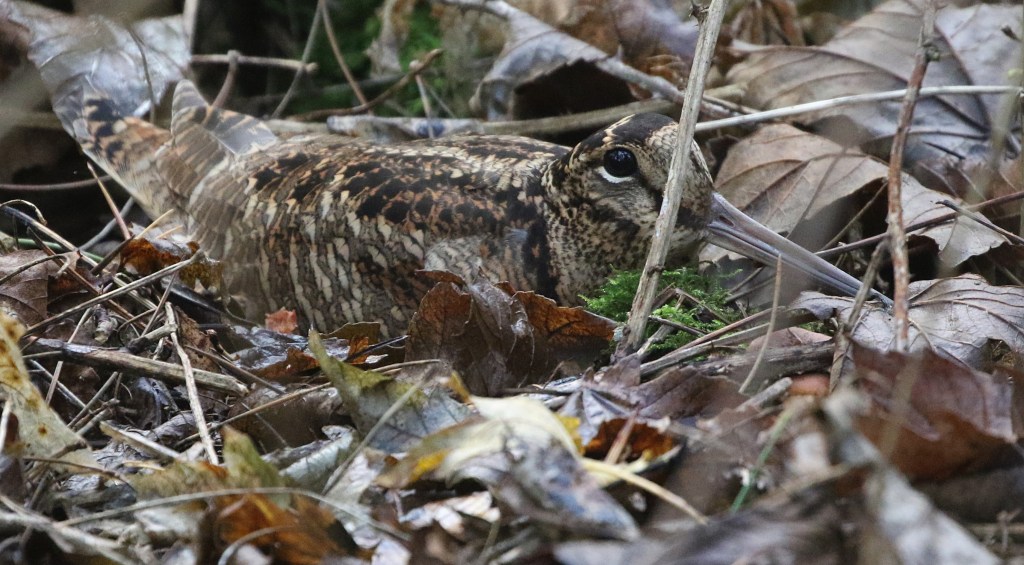
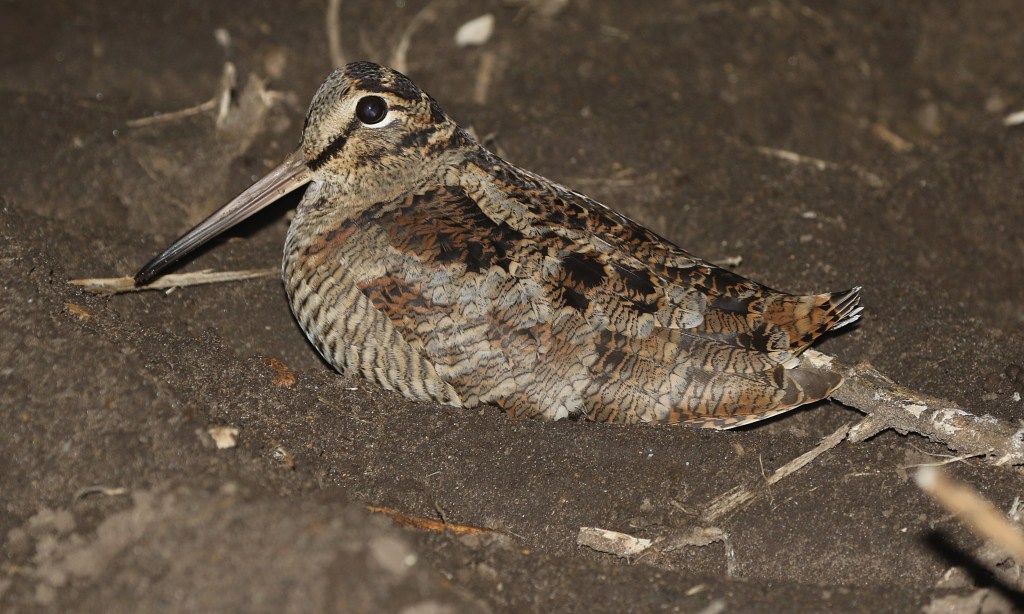
Woodcock, Cockley Cley, 27th January

Woodcock, Cockley Cley, 27th January

Woodcock, Cockley Cley, 27th January

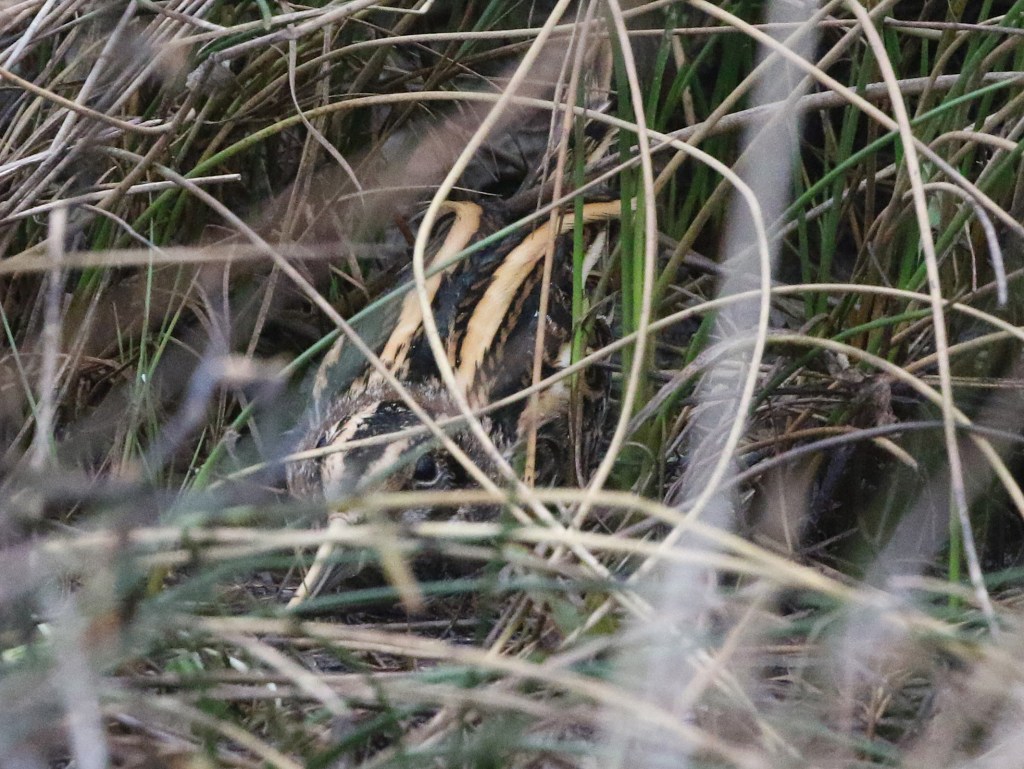
Jack Snipe, Norfolk, 8th January

Jack Snipe, Norfolk, 8th January

Norfolk Birding 2022

Tundra Bean Geese, Wissington 31st December

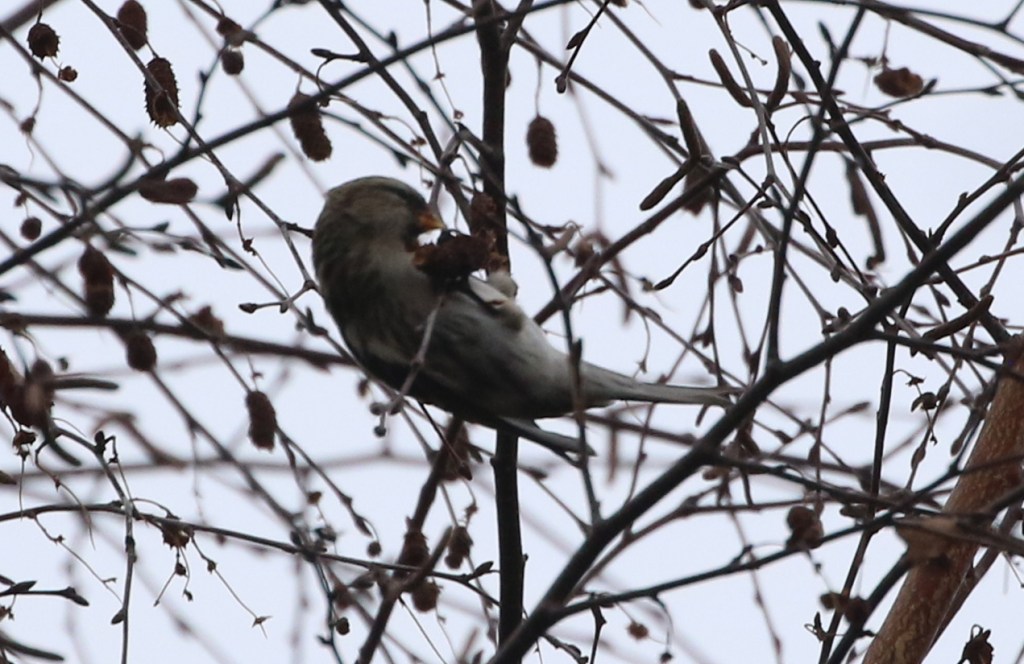
Mealy Redpoll, NVF, 31st December

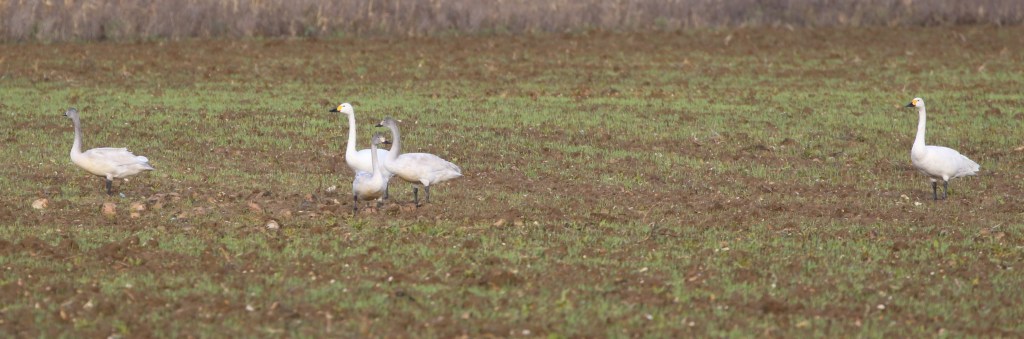
Bewick’s Swan, Oxborough, 30th December

Cattle Egret, Wissington BF, 29th December

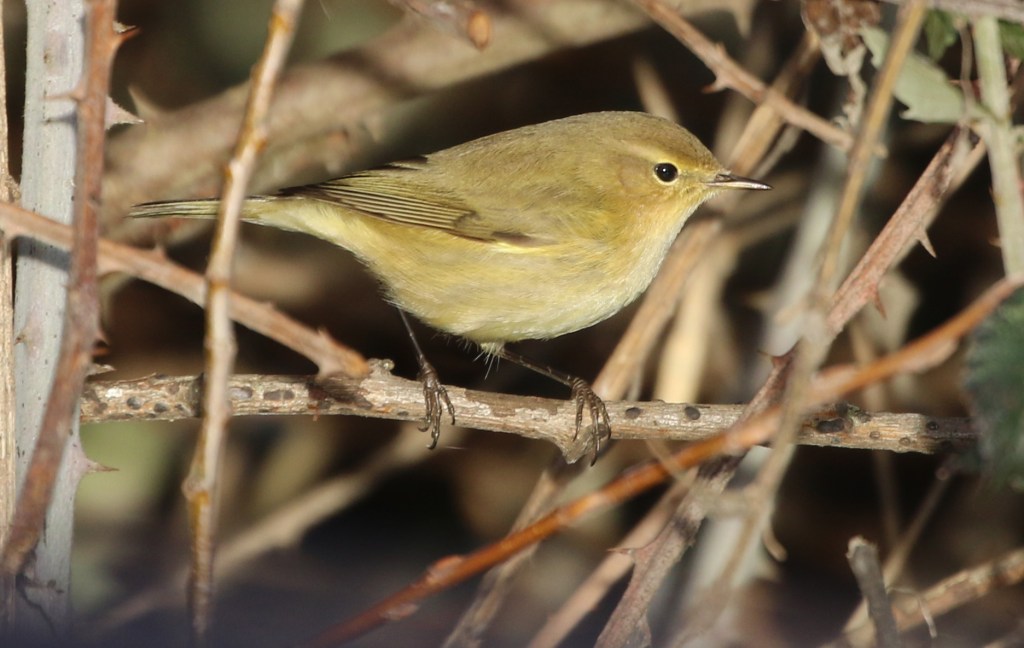
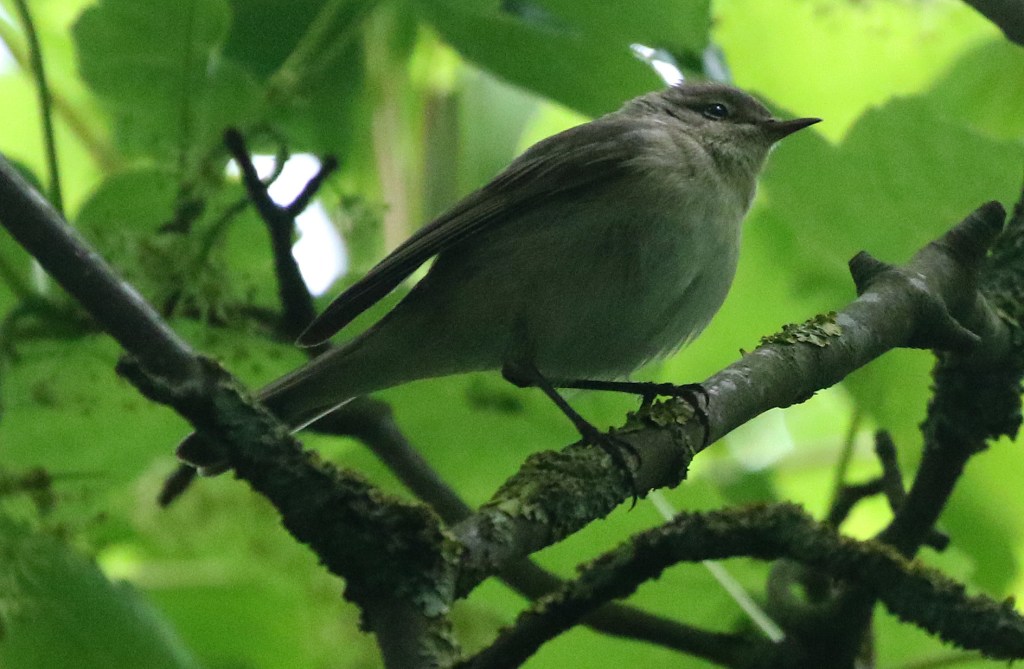
Chiffchaff, Wissington BF, 29th December

Chiffchaff, Wissington BF, 29th December

Hume’s Leaf Warbler, Brancaster, 7th December

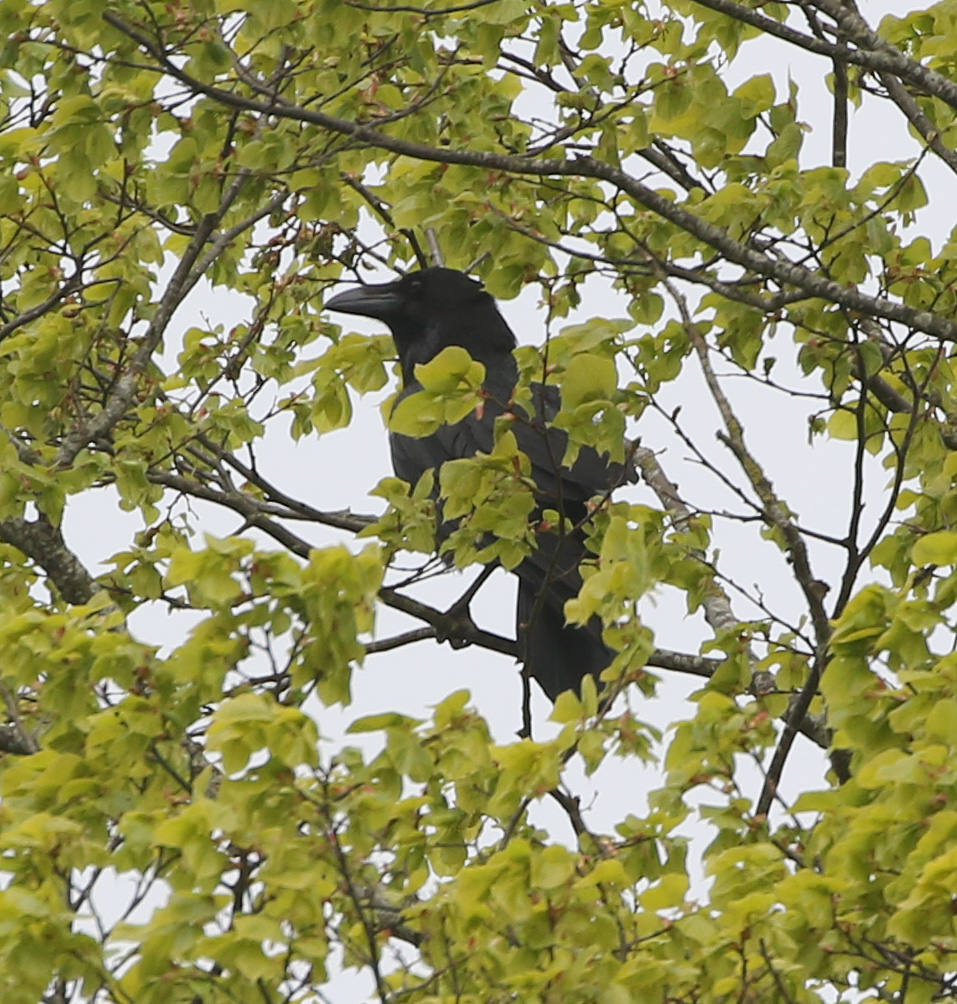
Raven, Cockley Cley 9th November

Yellow-browed Warbler, East Hills. 21st October
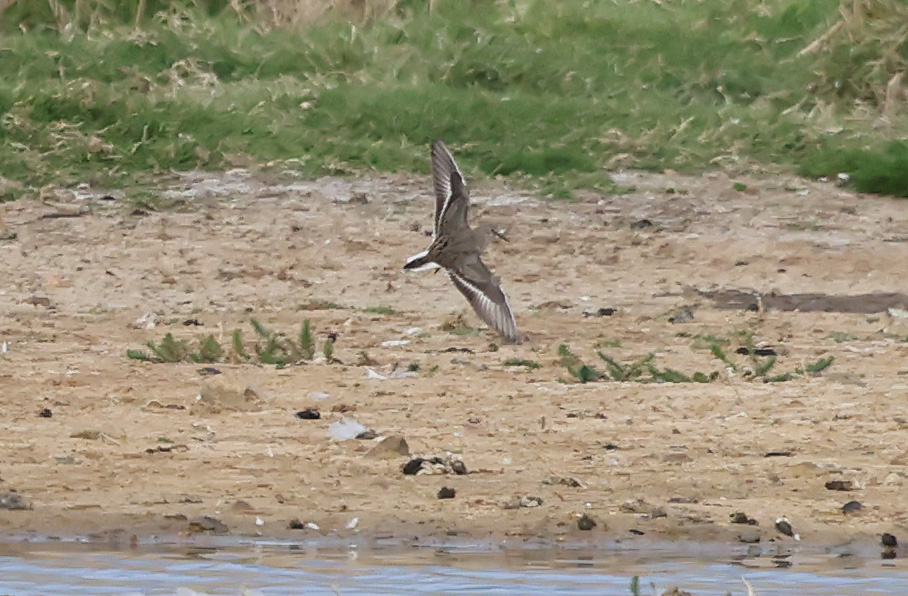
Yellow-browed Warbler, East Hills. 21st October

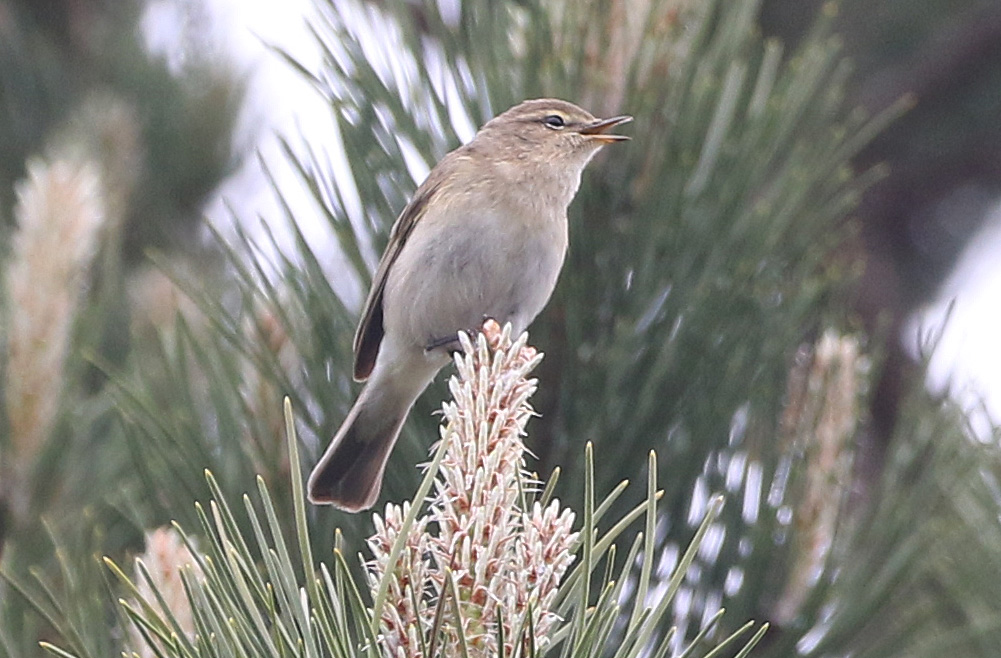
Siberian Chiffchaff, East Hills, 20th October

Siberian Chiffchaff, East Hills, 20th October

Siberian Chiffchaff, East Hills, 20th October

Mealy Redpoll, East Hills, 20th October

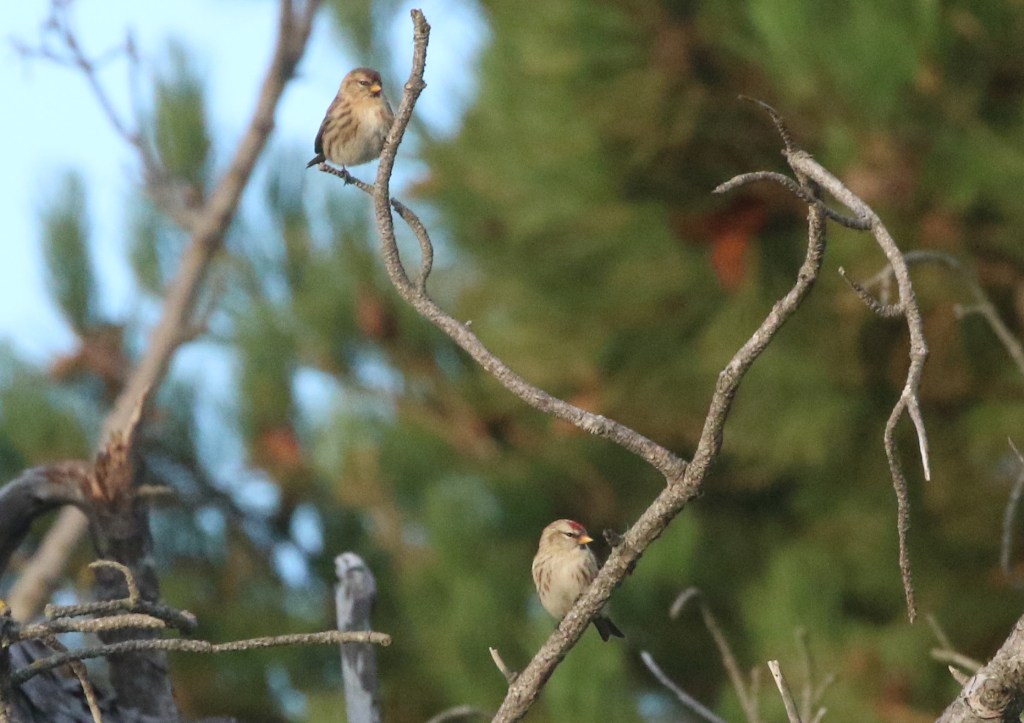
Lesser and Mealy Redpoll, East Hills, 20th October

Icterine Warbler, East Hills, 6th September

Icterine Warbler, East Hills, 6th September

Barred Warbler, East Hills, 4th September

Icterine Warbler, East Hills, 4th September

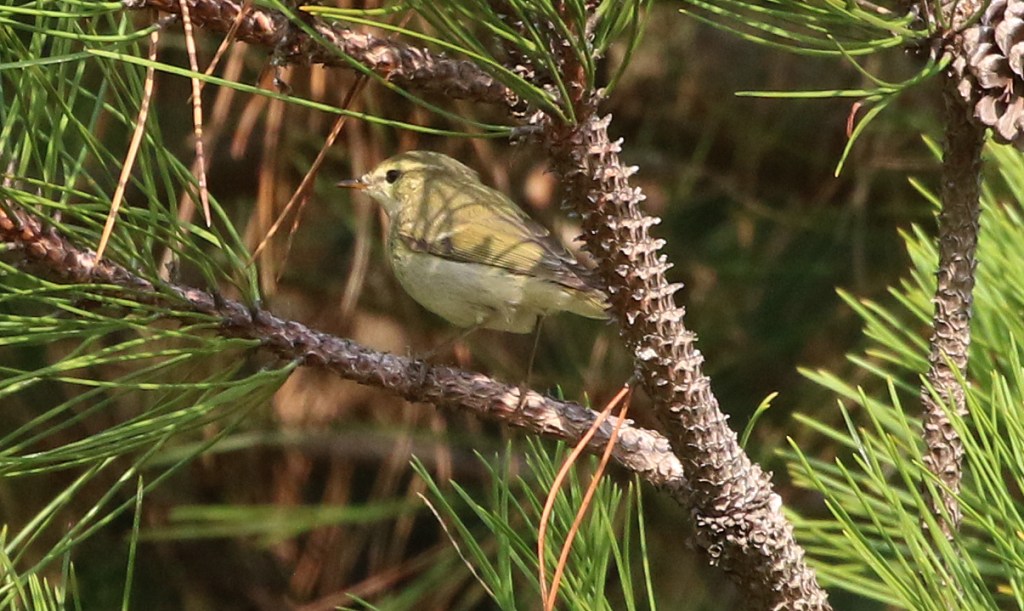
Greenish Warbler, East Hills, 3rd September

Greenish Warbler, East Hills, 3rd September

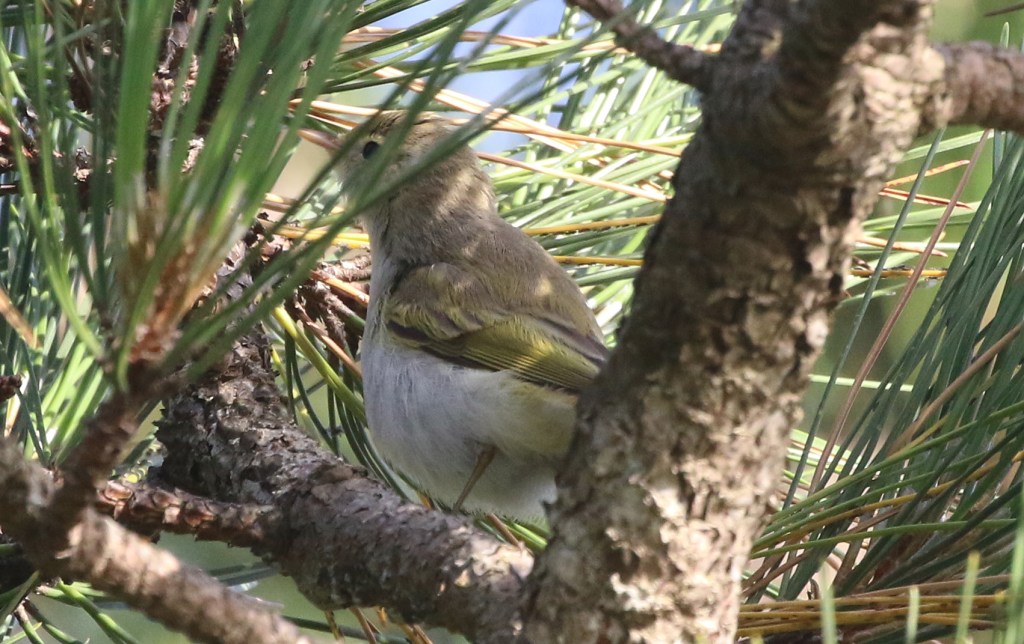
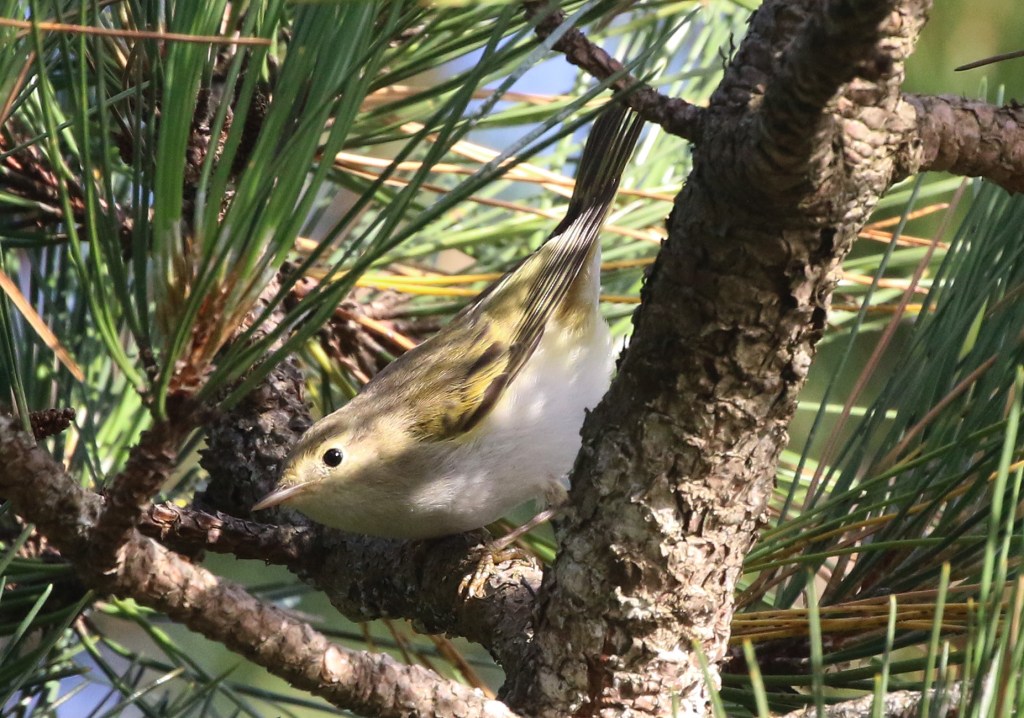
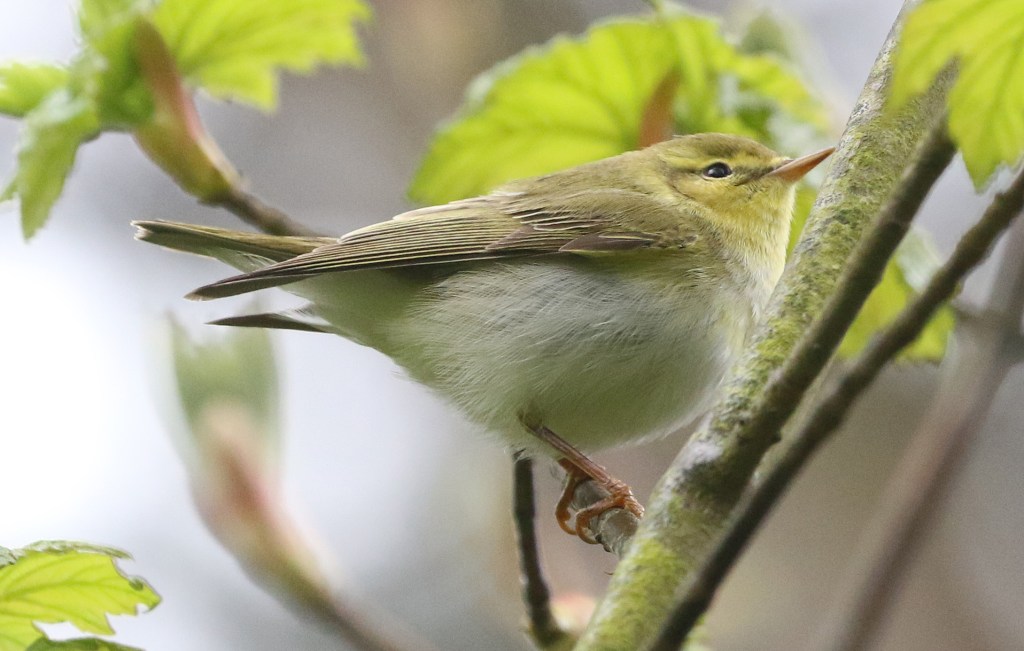
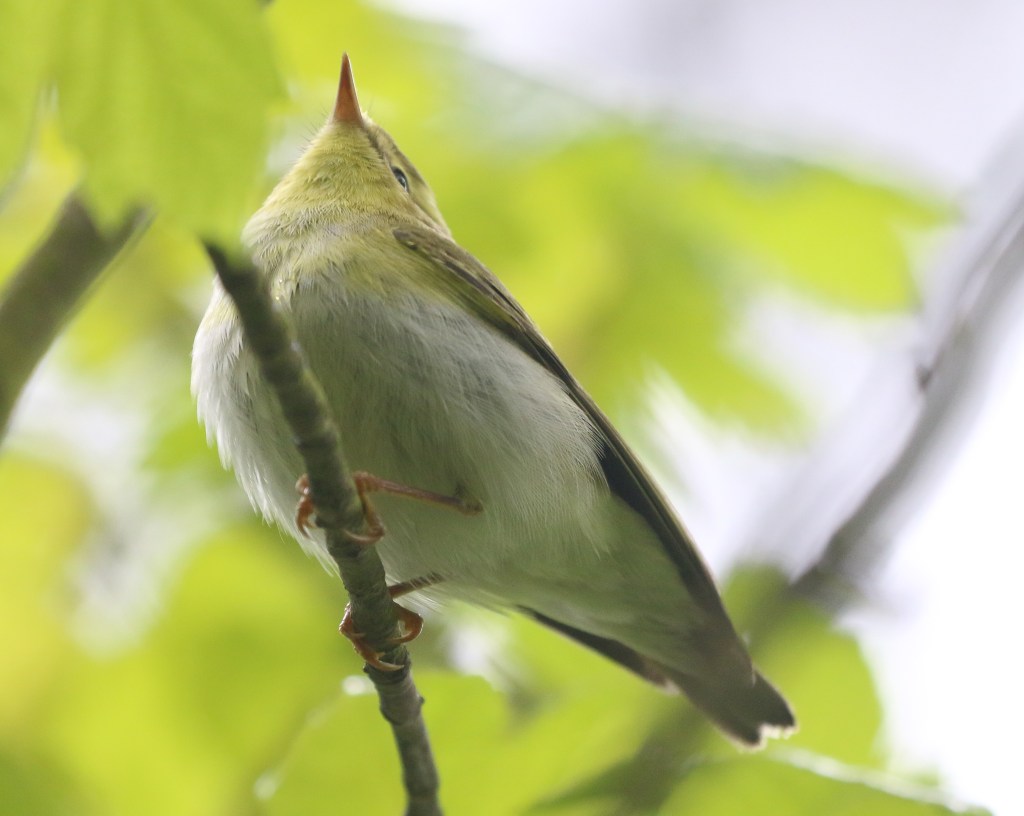
Wood Warbler, East Hills, 3rd September

Wood Warbler, East Hills, 3rd September

Western Bonelli’s Warbler, East Hills, 30th August

Eleonora’s Falcon, Hickling, 29th August

Eleonora’s Falcon, Hickling, 29th August

Caspian Gull, Cromer, 5th August

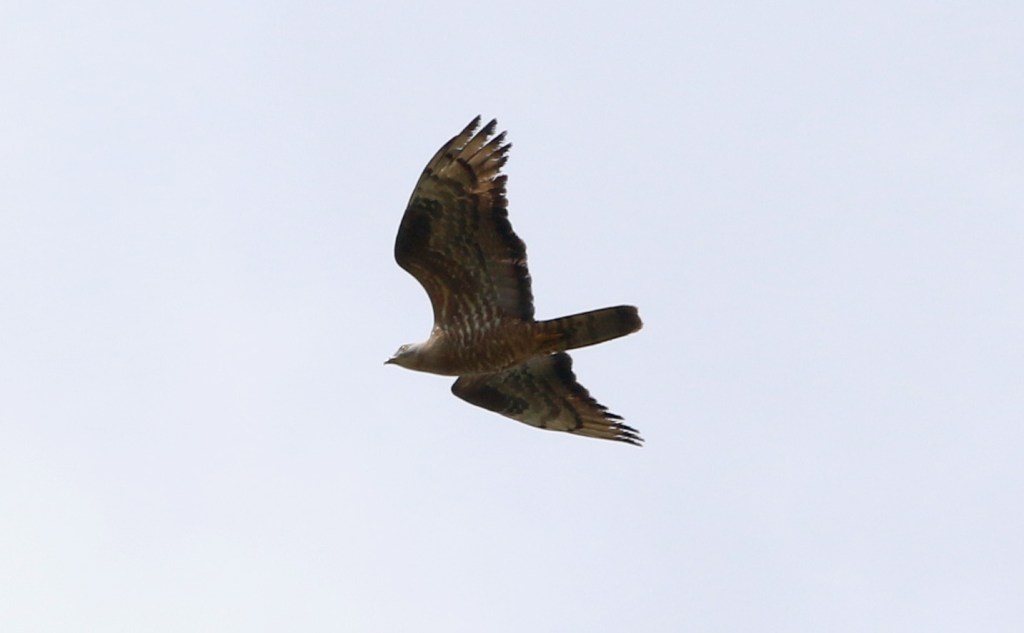
Honey Buzzard, male, Swanton Novers, 4th July
Honey Buzzard, second female, Swanton Novers, 3rd July
Honey Buzzard, male, Swanton Novers, 3rd July
Honey Buzzard, first female, Swanton Novers, 1st July
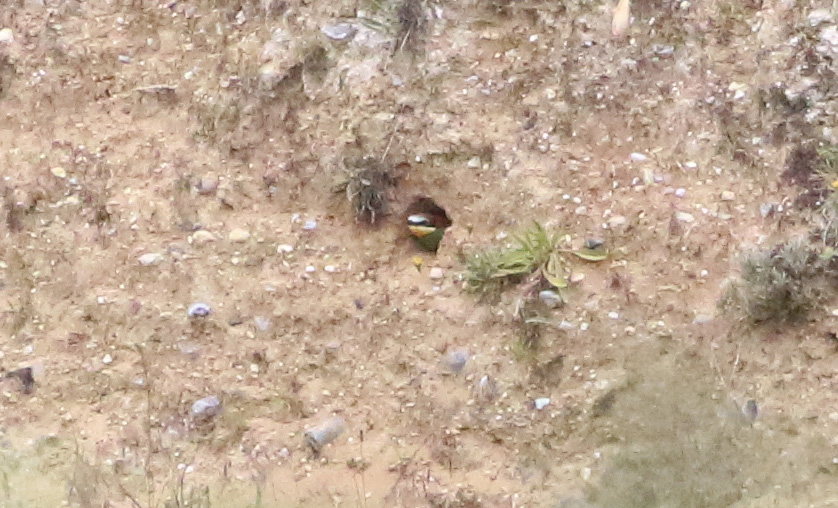
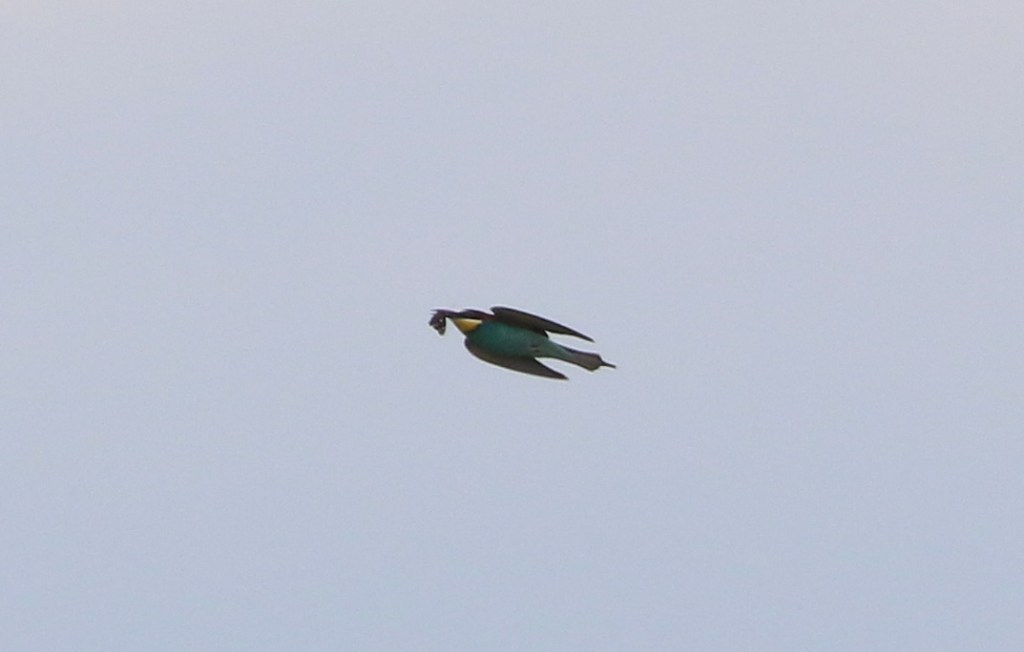
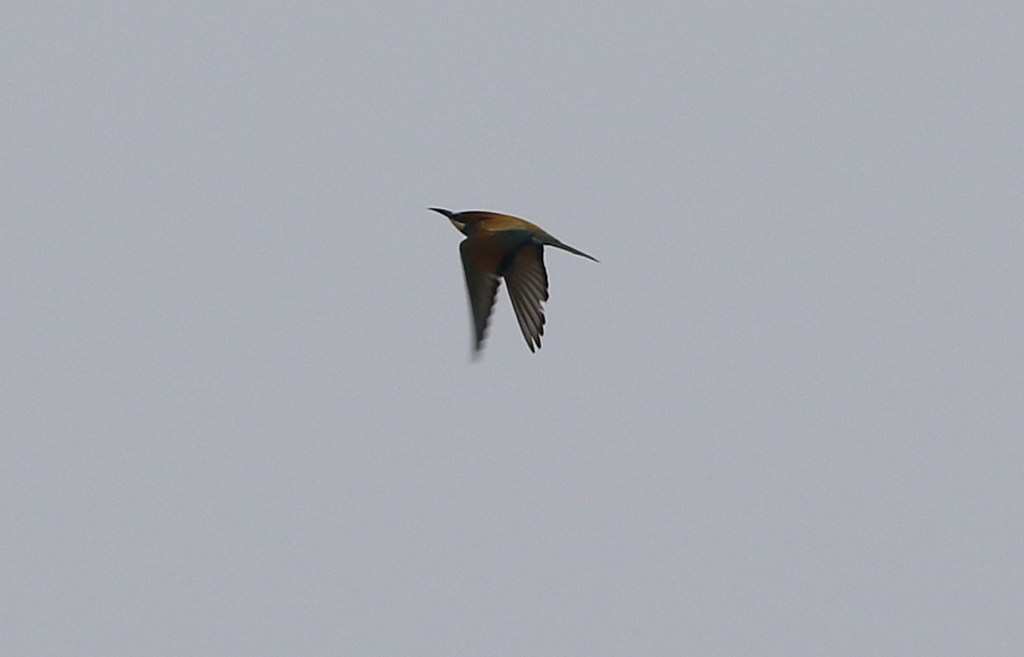
Bee-eater, Trimingham, 30th June
Honey Buzzard, Swanton Novers, male, 28th June
Bee-eater, Trimingham, 22nd June
Bee-eater, Trimingham, 18th June
Bee-eater, Trimingham, 15th June
Bee-eater, Trimingham, 14th June
Little Stint, Cley 12th June
Bee-eaters, Trimingham, 5th June

Bee-eaters, Trimingham, 5th June
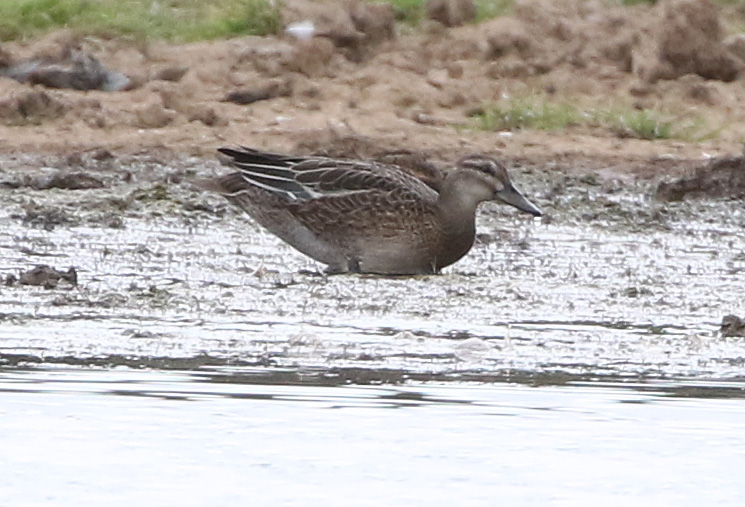
Garganey, North Point, 4th June
House Sparrow, Cockley Cley, 1st June
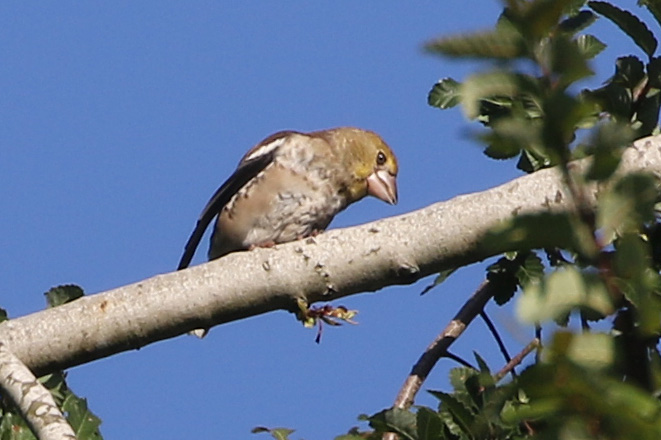
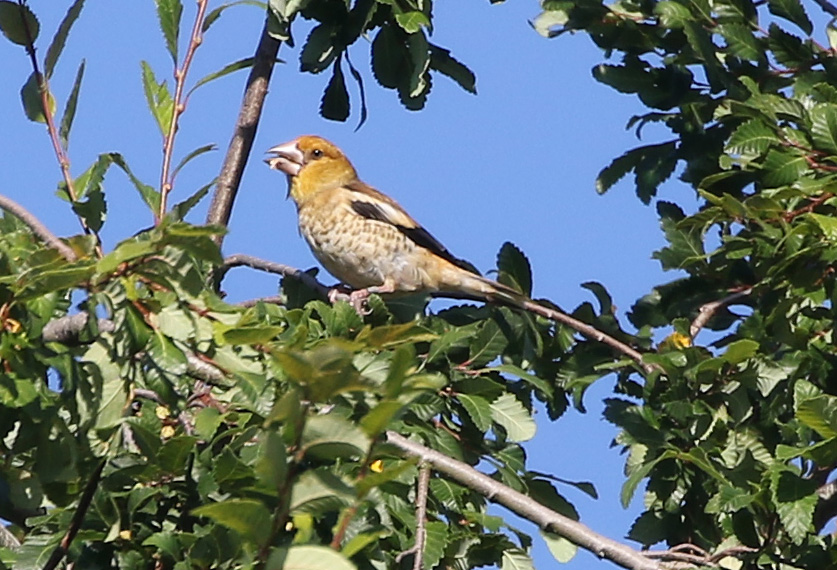
Hawfinch, immature female, Lynford, 27th May
Crane, Hickling, 24th May
Blue-headed Wagtail, Hickling, 24th May
Caspian Tern, Hickling, 24th May
White-tailed Plover, Hickling, 24th May
Crane, Hickling, 24th May
Bittern and Marsh Harrier, Hickling, 24th May
Bittern, Hickling, 24th May
Grey-headed Wagtail, female, West Runton, 20th May, one of 6, 5 females and a male
Honey Buzzard, Weybourne, 14th May
Black-winged Stilts, Hickling, 9th May
Bittern, Hickling, 9th May
Hobby, Hickling, 9th May
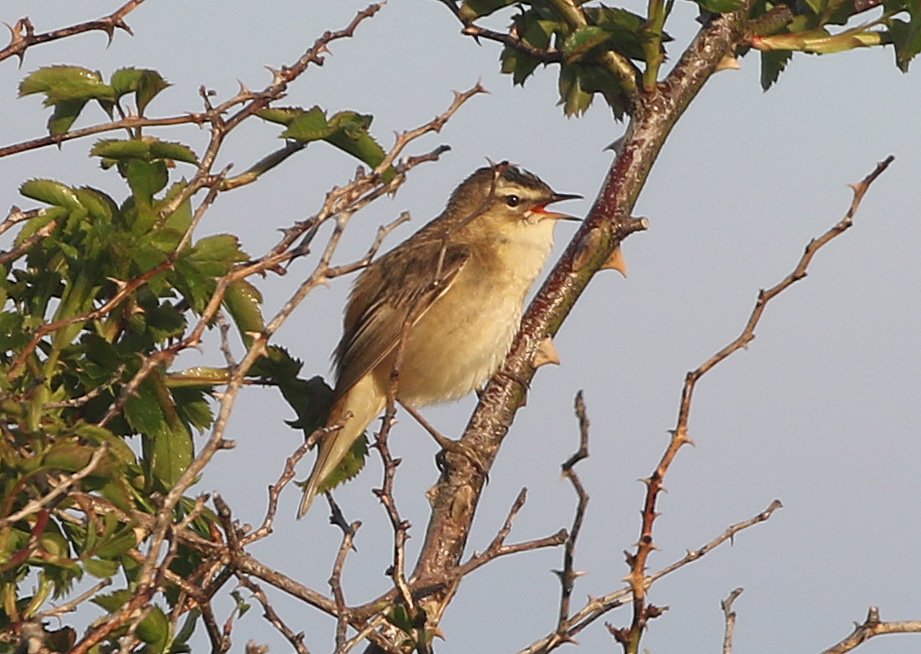
Sedge Warbler, Potter Heigham, 9th May
Temminck’s Stint, Titchwell, 7th May
Raven, Holkham, 3rd May
Raven, Hilbrough, 27th April
Black-winged Stilts, Denver, 23rd April
Little Bunting, Kelling, 22nd March
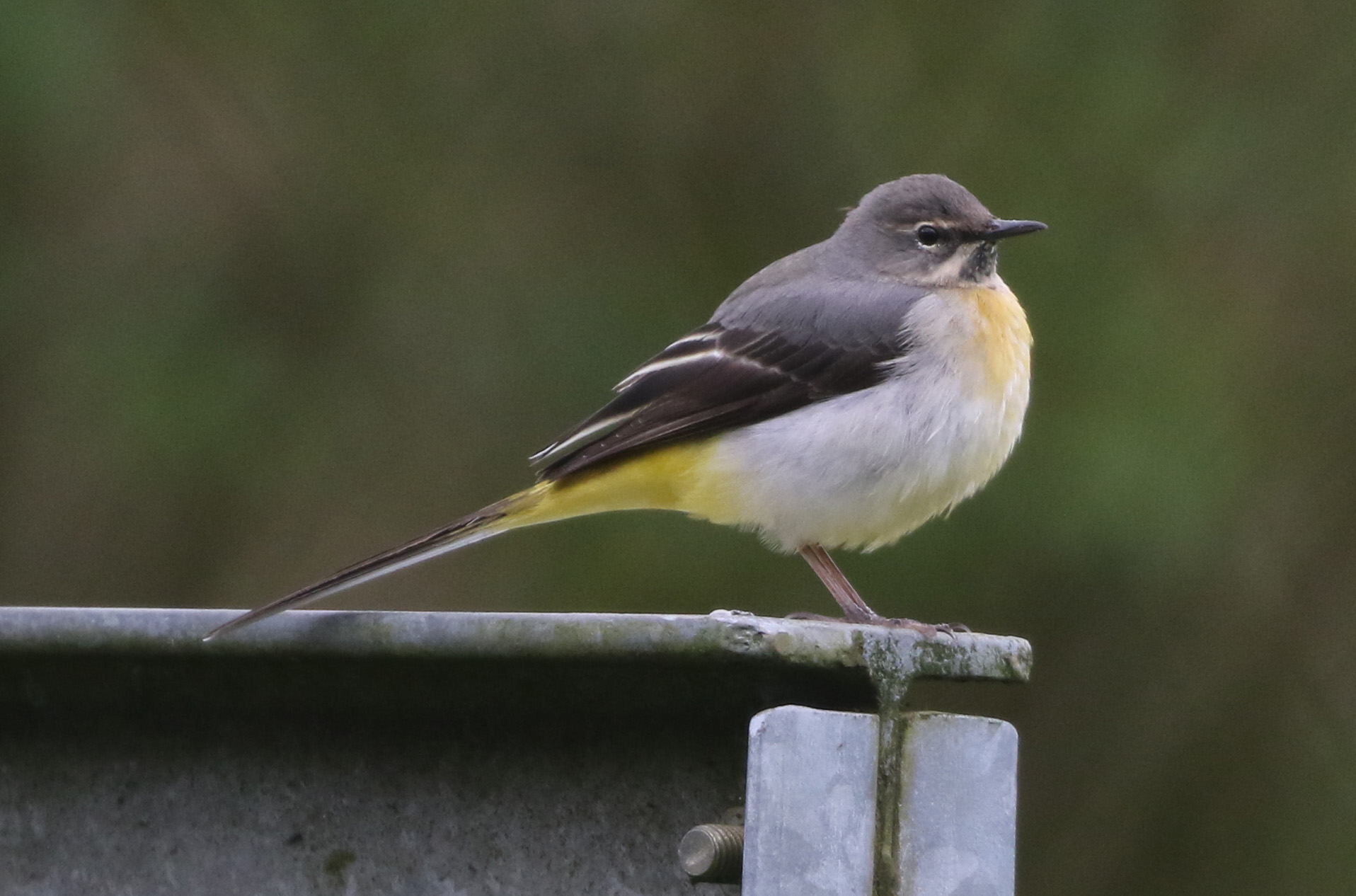
Grey Wagtail, Garden Drove, 20th March
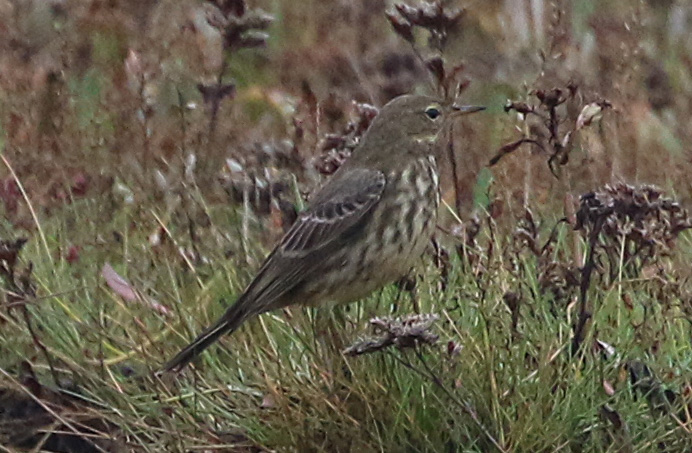
Scandinavian Rock Pipit, East Hills, 20th March
Reed Bunting, East Hills, 20th March
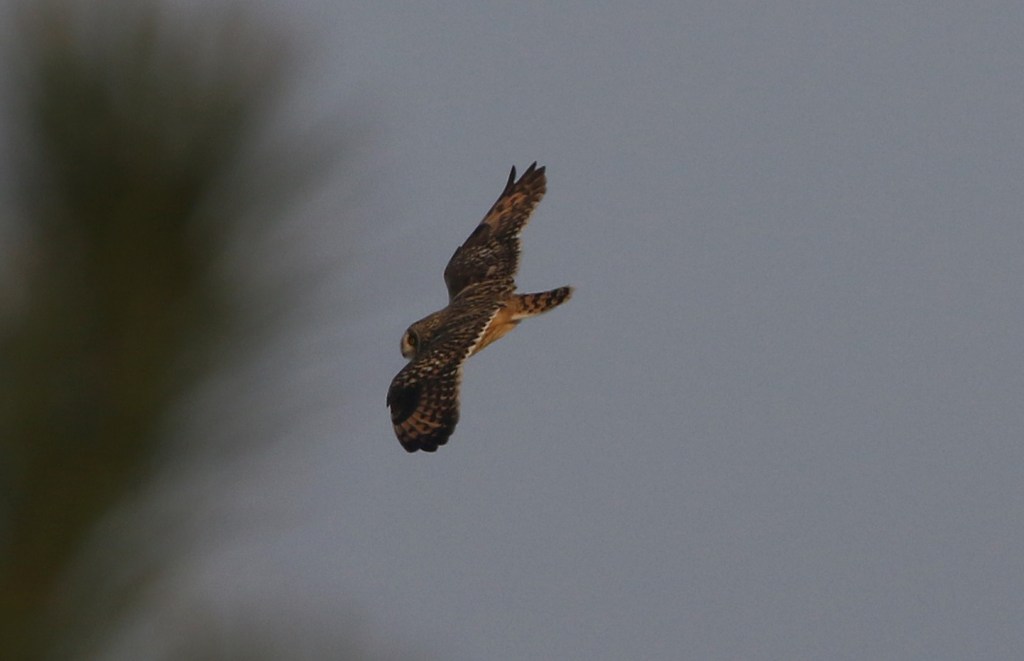
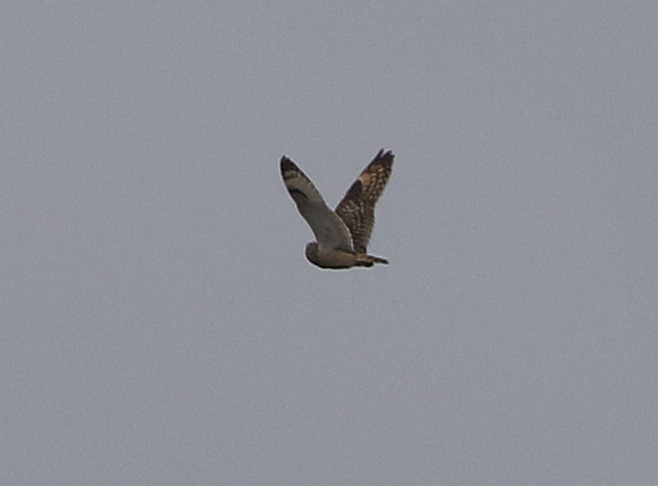
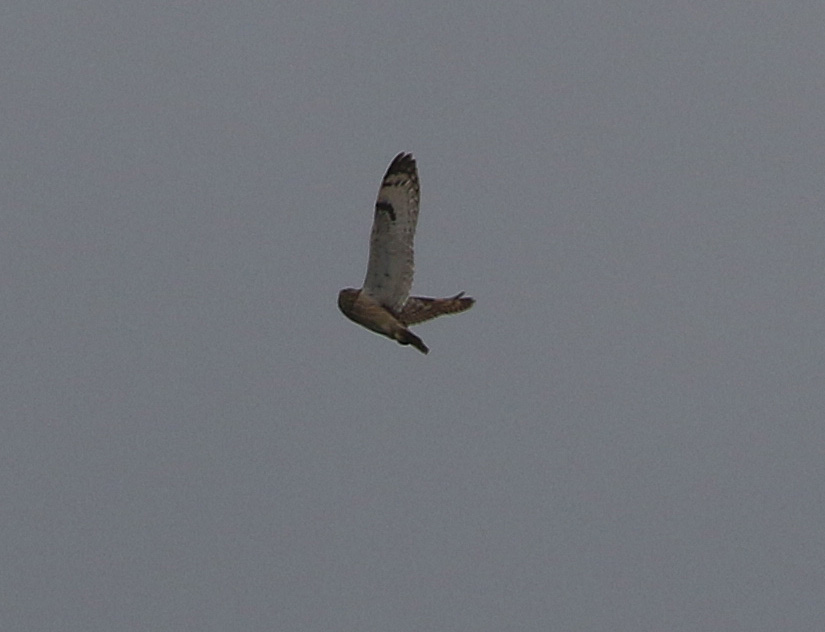
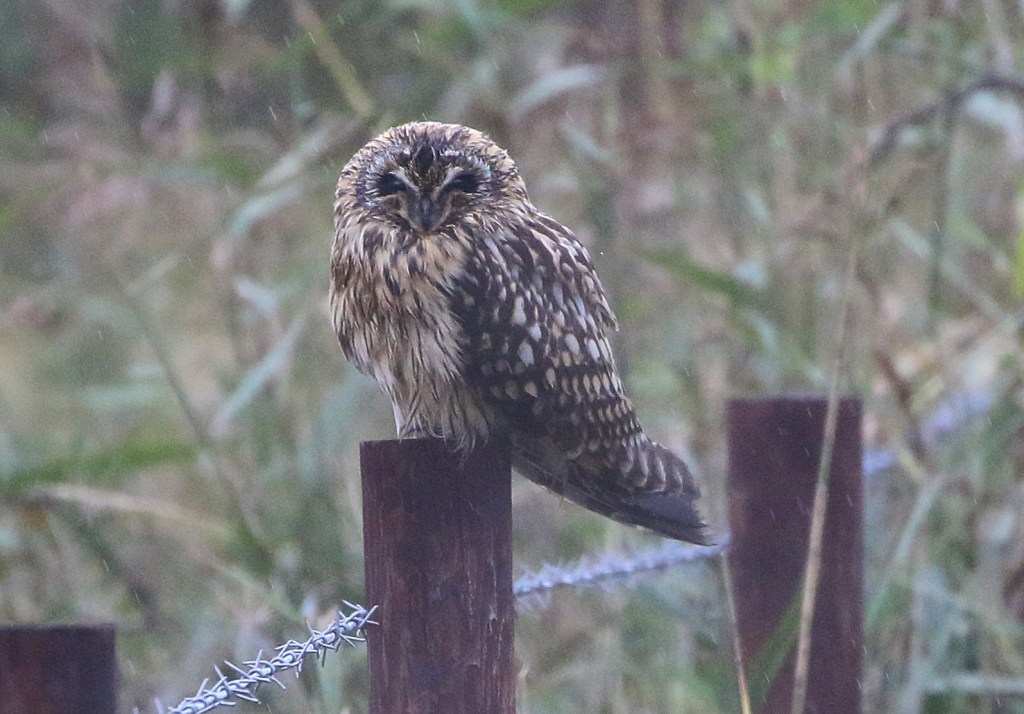
Short-eared Owl, East Hills, 20th March
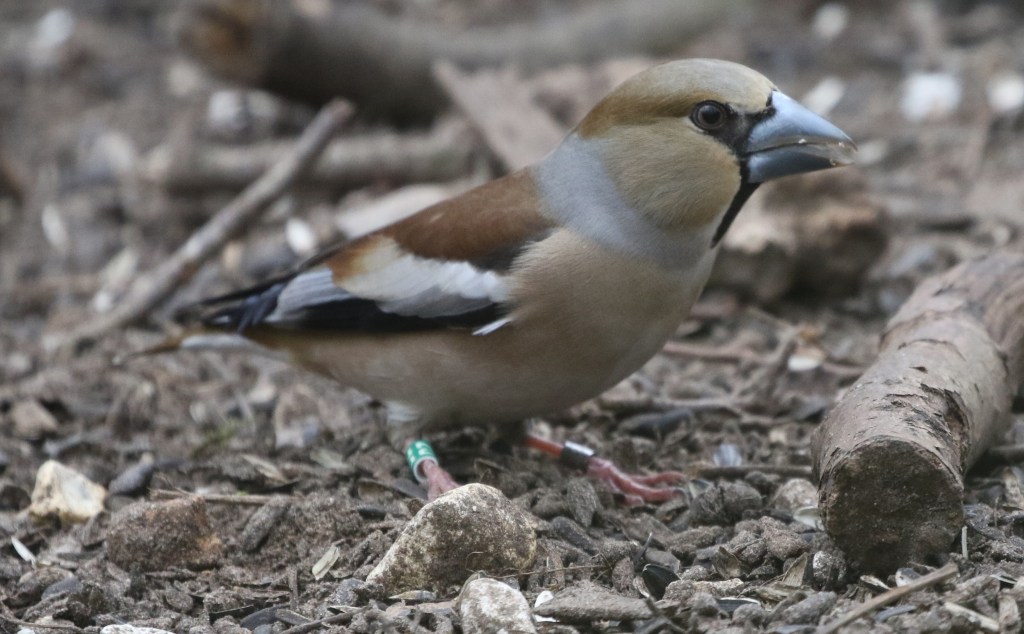
Hawfinch, Lynford 13th March
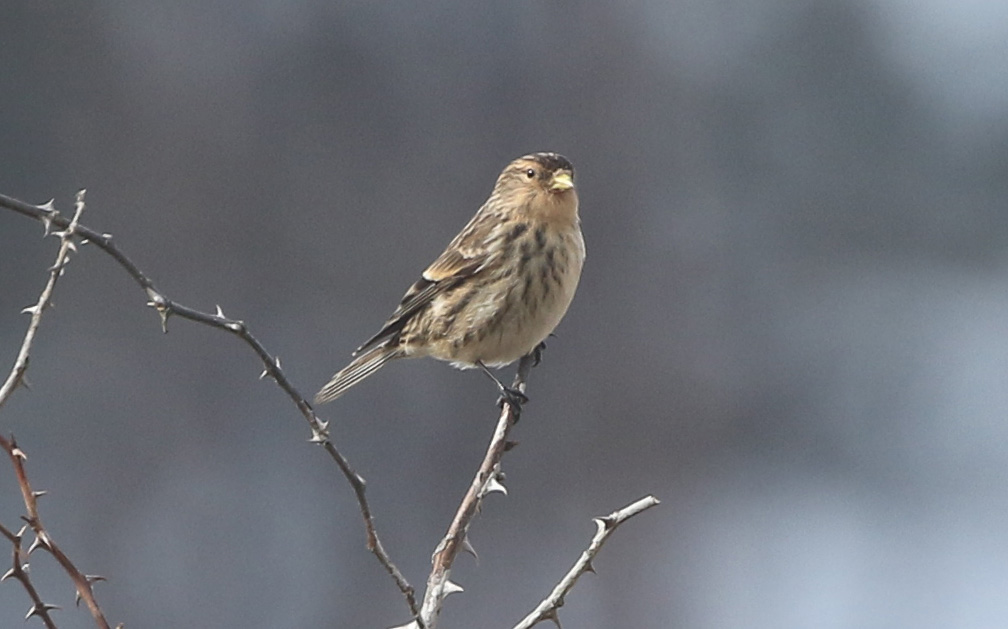
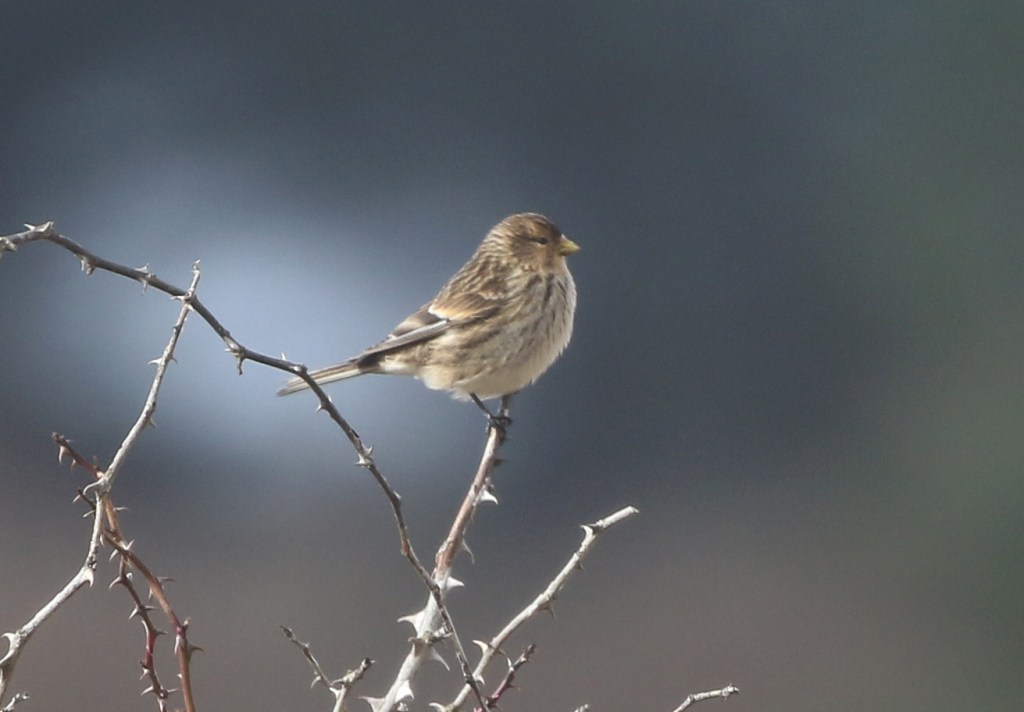
Twite, East Hills, 6th March
Raven, Holkham, 20th February
Shore Lark, Holkham, 20th February
Nuthatch, Cockley Cley, 19th February
Bullfinch, Cockley Cley, 19th February
Cormorant, Nar Valley Fisheries, 19th February
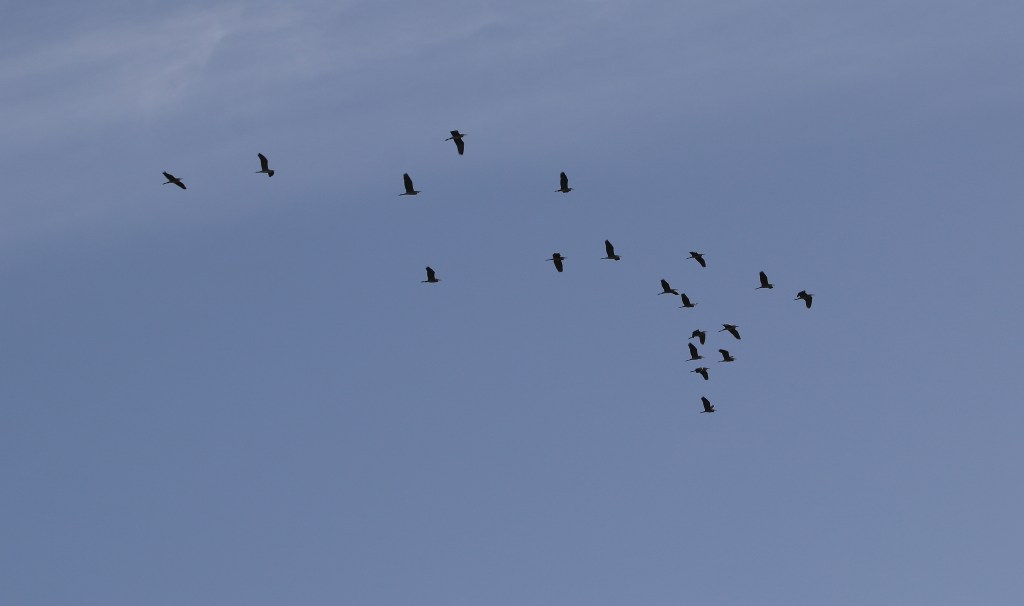
Glossy Ibis, Rockland St Mary, 18th February
Red-breasted Goose, Cley, 16th February
Ring-necked Parakeet, Norwich, 16th February
Short-toed Lark, West Runton, 12th February
Raven, Holkham Hall, 6th February
Snow Bunting, Holkham, 6th February
Great Northern Diver, Wells Harbour, 6th February
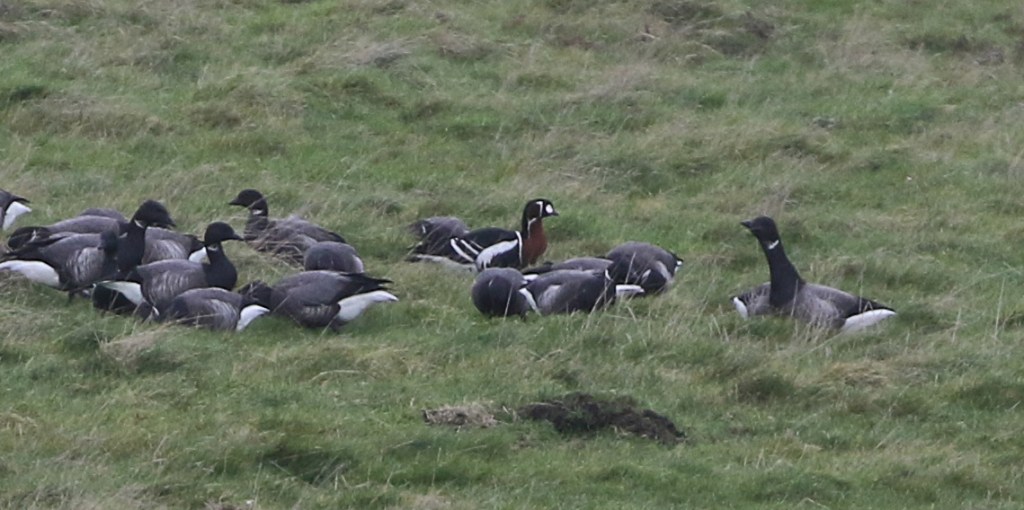
Red-breasted Goose, Blakeney 5th February
  • Hawfinch, 3rd February
  • Hawfinch, 3rd February
  • Hawfinch, 3rd February
  • Hawfinch, 3rd February
  • Hawfinch, 2nd February
  • Hawfinch, 2nd February
  • Hawfinch, 2nd February
  • Hawfinch, 2nd February
  • Hawfinch, 2nd February
  • Hawfinch, 2nd February
  • Hawfinch, 2nd February
  • Hawfinch, 2nd February
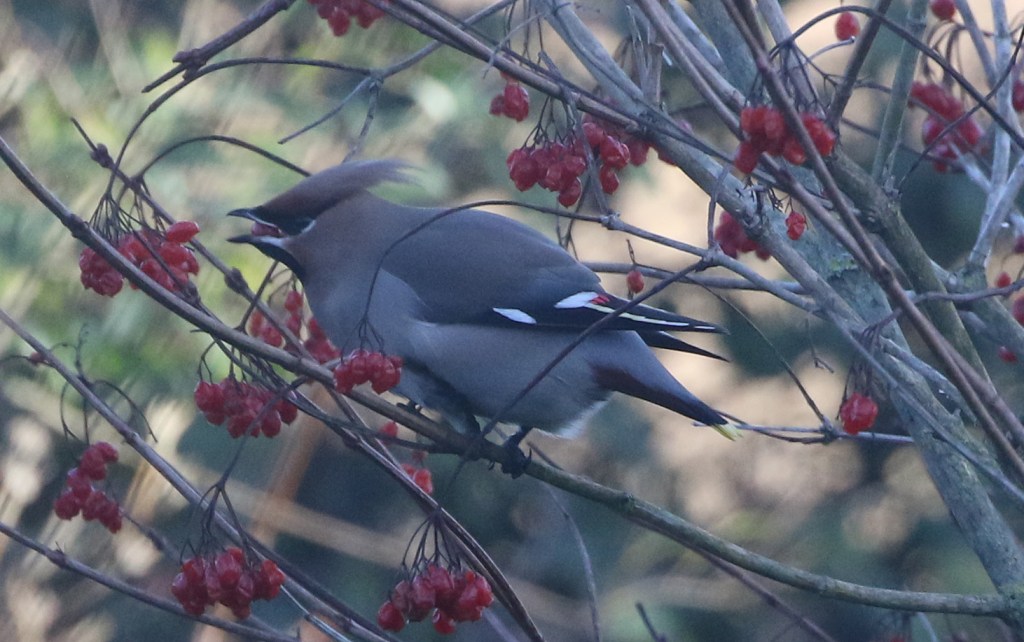
  • Hawfinch, 2nd February
  • Hawfinch, 2nd February
  • Hawfinch, 2nd February
  • Hawfinch, 2nd February
  • Hawfinch, 2nd FebruaryHawfinch, 2nd February
Red-crested Pochard, Nar Valley Fisheries, 1st February
Great White Egrets, Nar Valley Fisheries, 1st February
Chiffchaff spp, Nar Valley Fisheries, 29th January
Corn Buntings, Shouldham, 28th January
Chiffchaff, Downham Market STW, 25th January
Siberian Chiffchaff, Downham Market STW, 25th January
Rock Pipit, East Hills, 23rd January
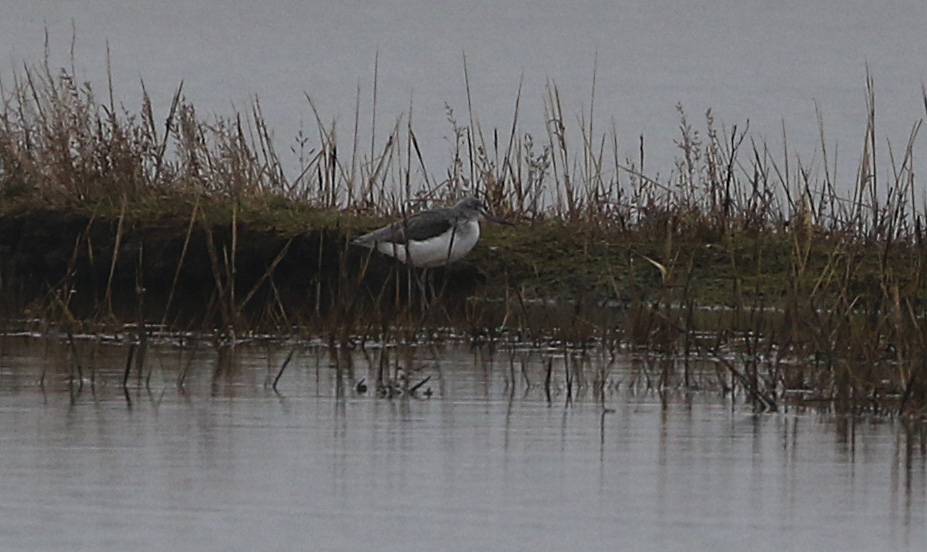
Greenshank, East Hills, 23rd January
Chiffchaff, Wissy BF, 22nd January
Lesser-spotted Woodpecker, The Brecks 22nd January
Fulmar, Hunstanton, 16th January
Shag, Hunstanton, 16th January
Mediterranean Gull, Docking, 16th January
Barnacle Goose, Stanhoe, 16th January
Tundra Bean Goose, Stanhoe, 16th January
Barnacle Goose, Buckenham, 16th January
Taiga Bean Goose, Buckenham, 16th January
Waxwing, Cley, 9th January
Siberian Chiffchaff, Nar Valley Fisheries, 8th January

Norfolk Birding 2021

Norfolk Birding 2020

Black Tern, Cley, 26th August

RED KITE CC 1

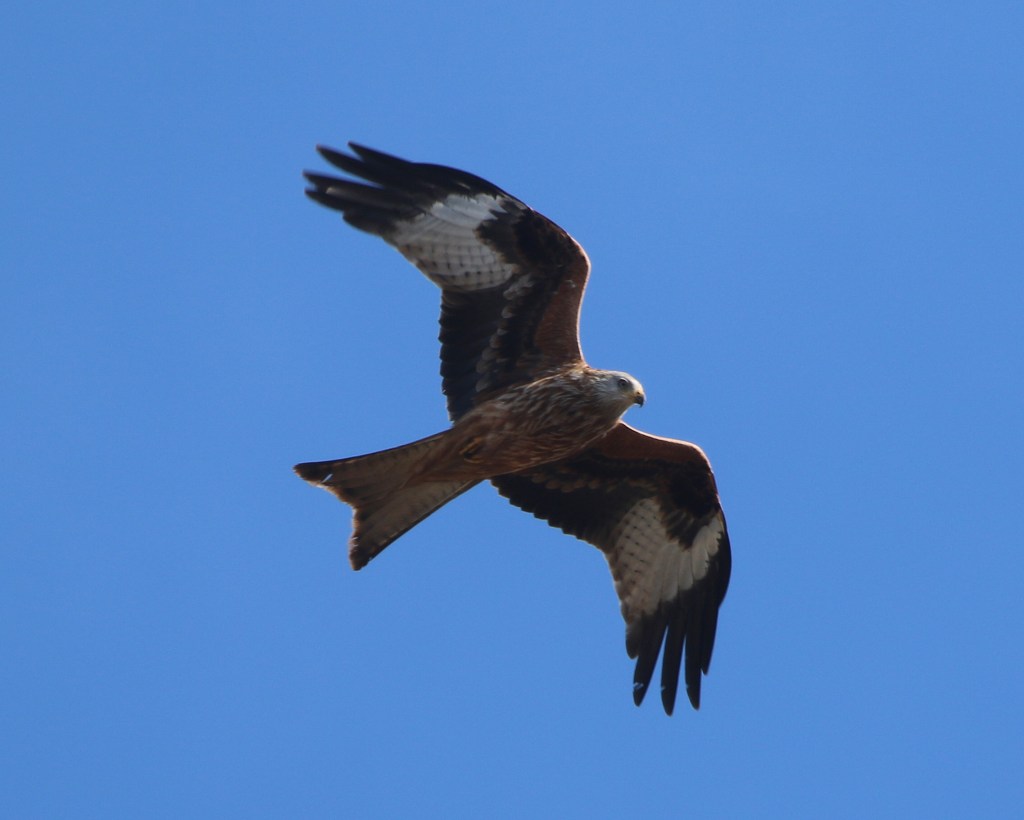
Red Kite, Cockley Cley, 5th June


REED W CC 2

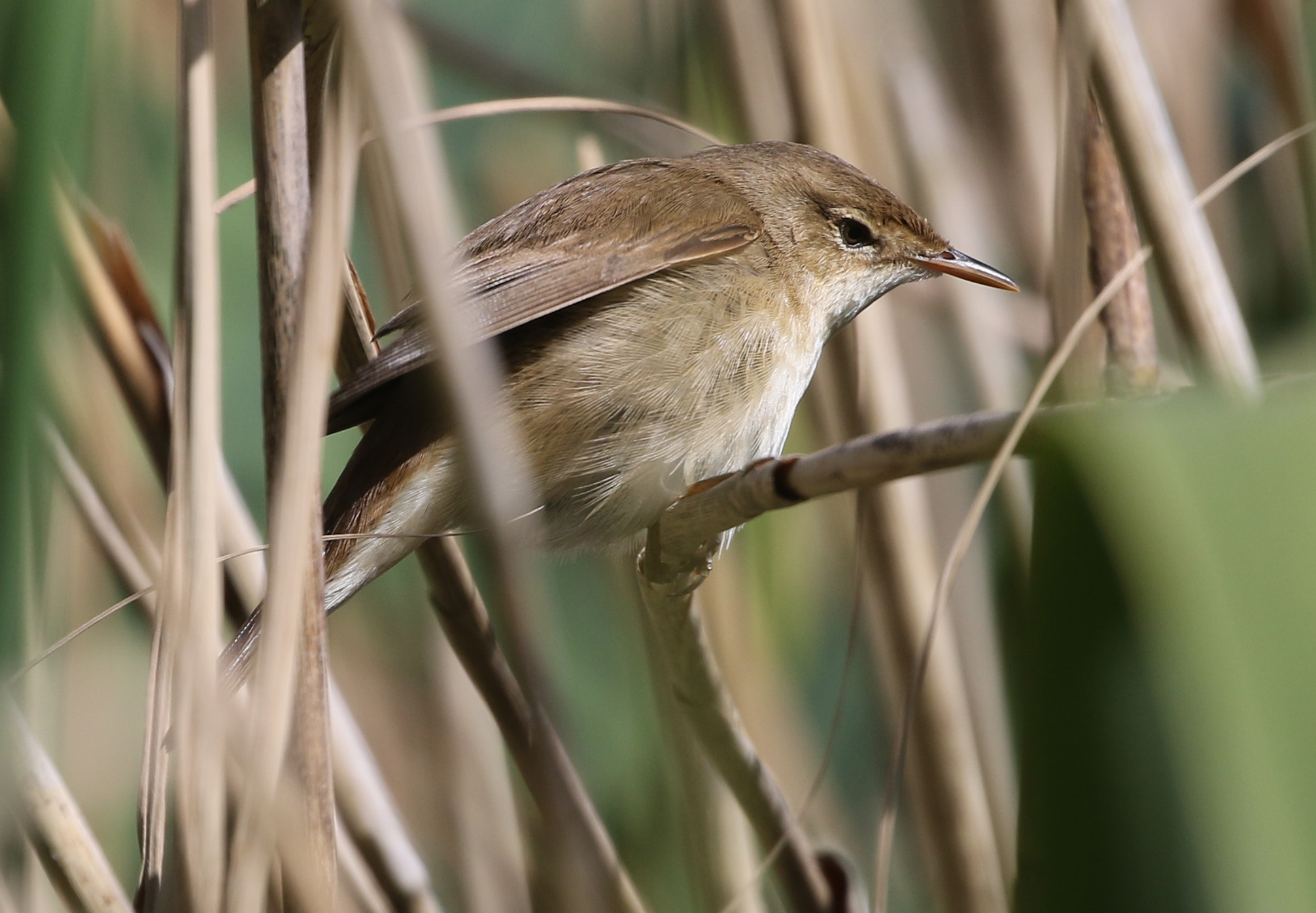
Reed Warbler, Cockley Cley, 5th June


REED W CC 1

Reed Warbler, Cockley Cley, 5th June


MARSH TIT CC 1

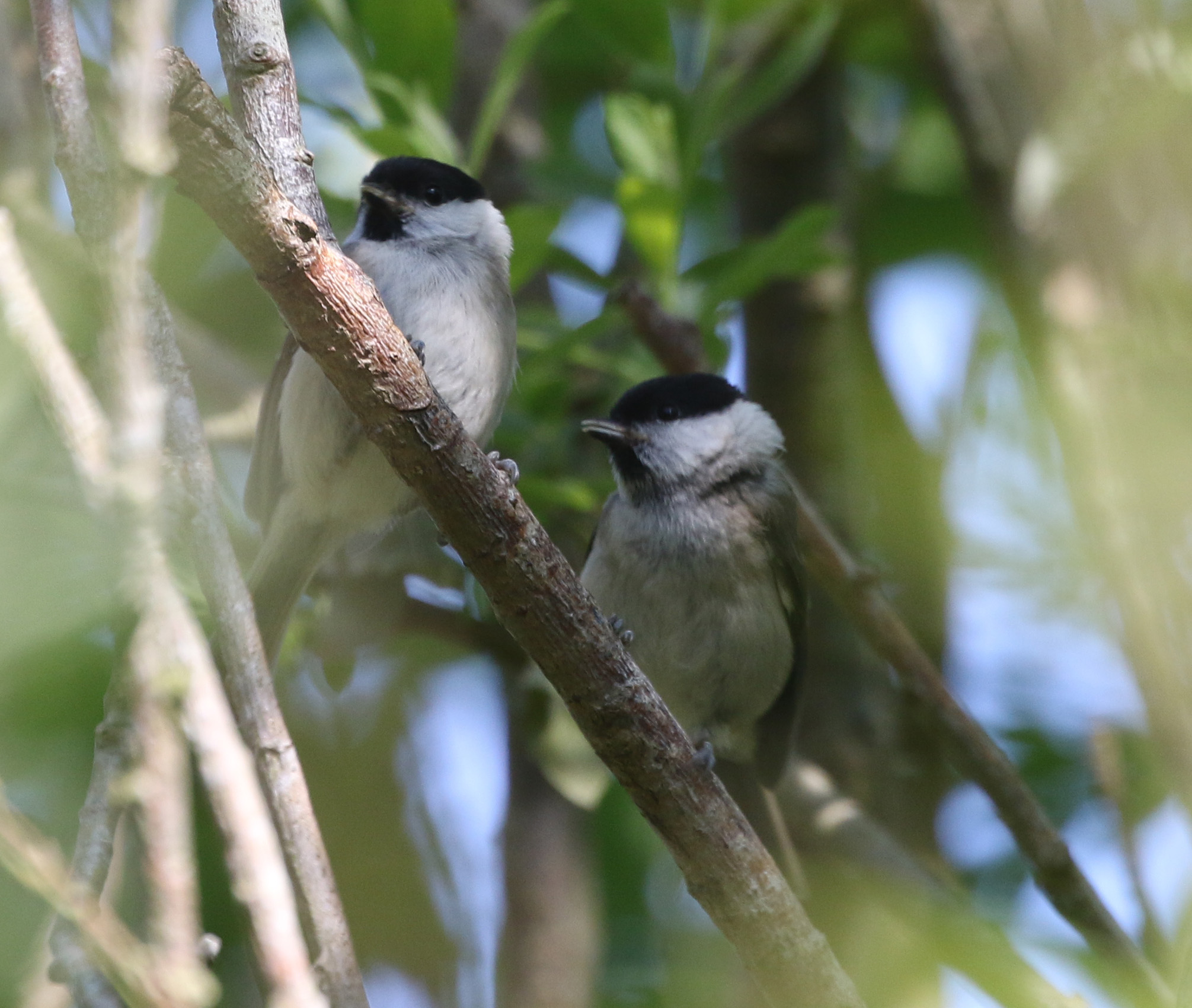
Marsh Tit, Cockley Cley, 5th June


TURTLE DOVE BH 1

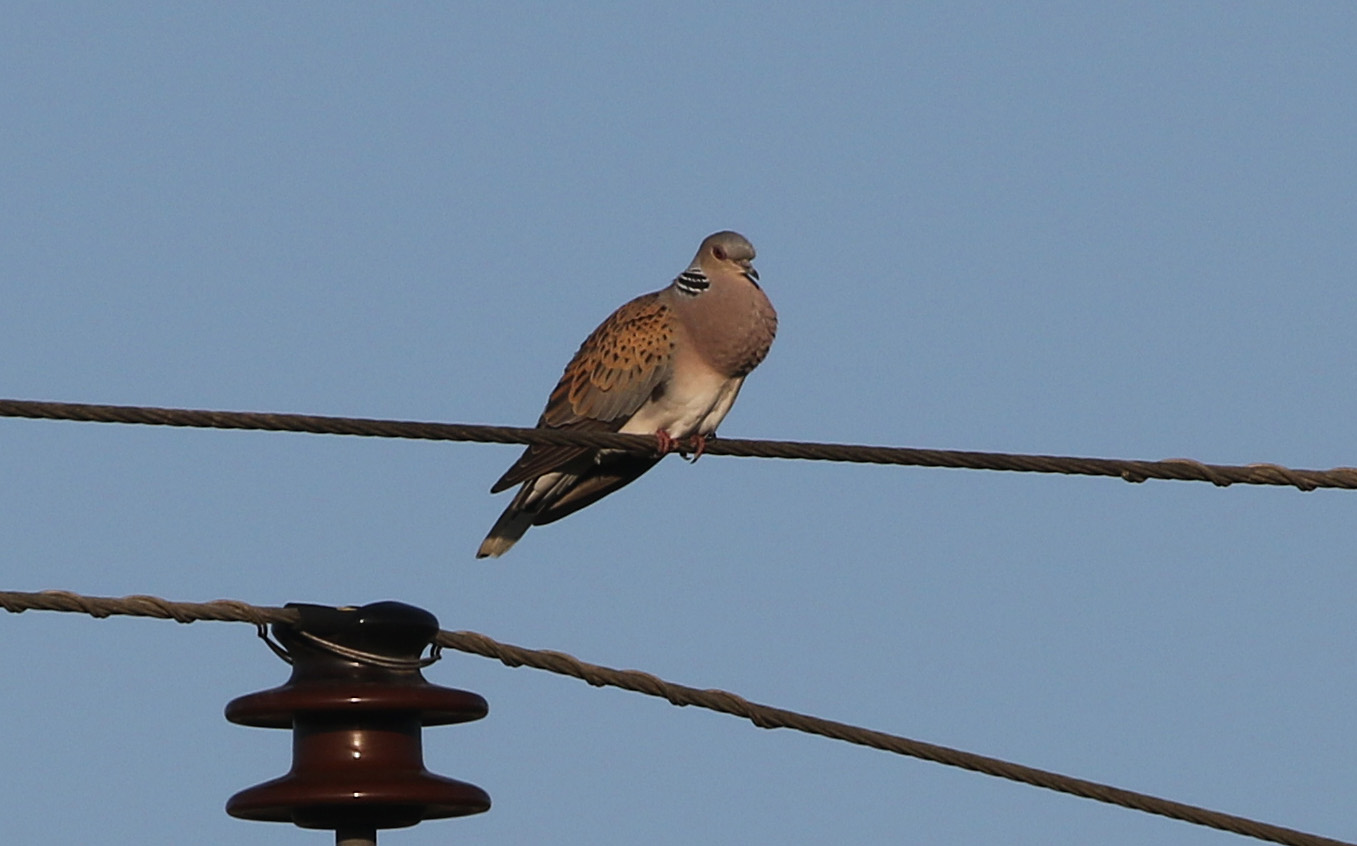
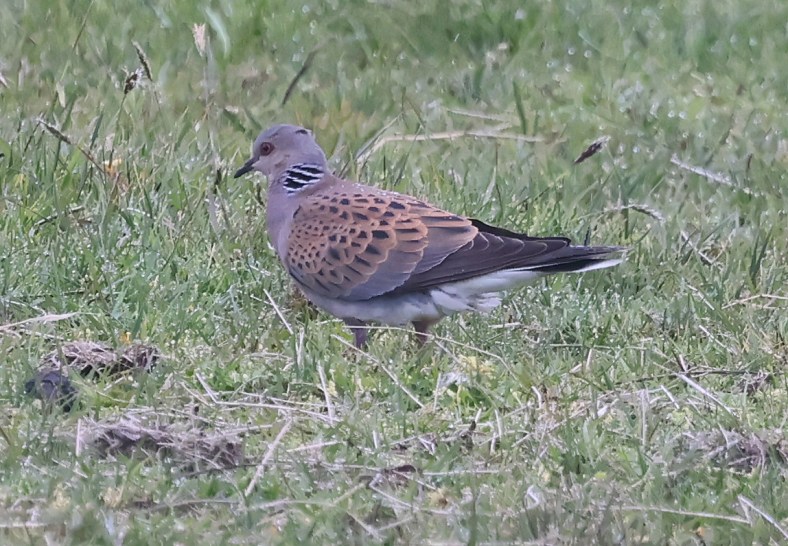
Turtle Dove. 1st June


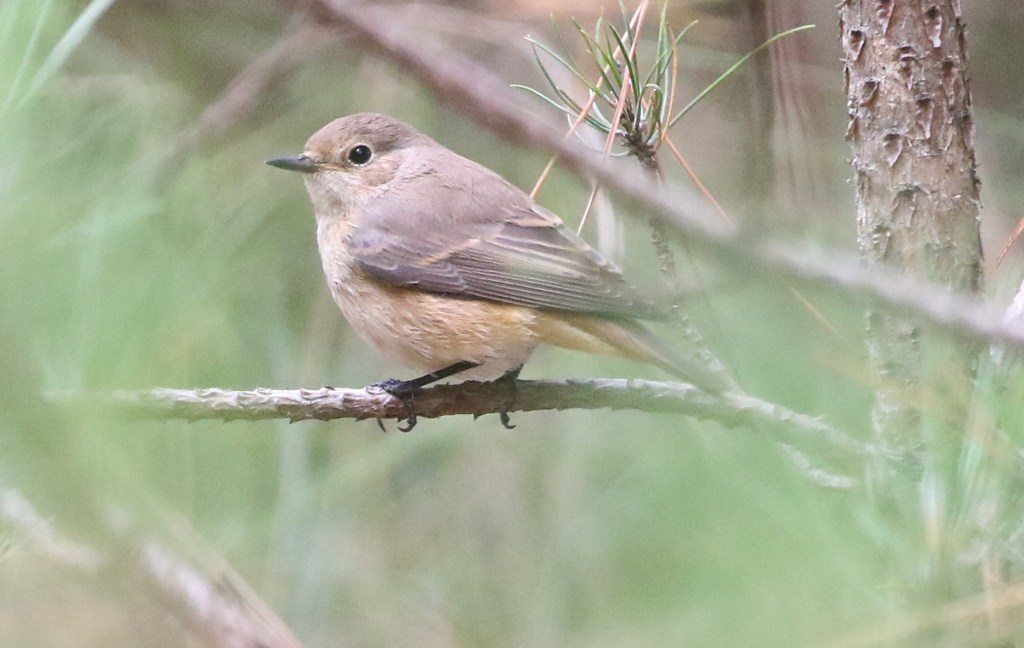
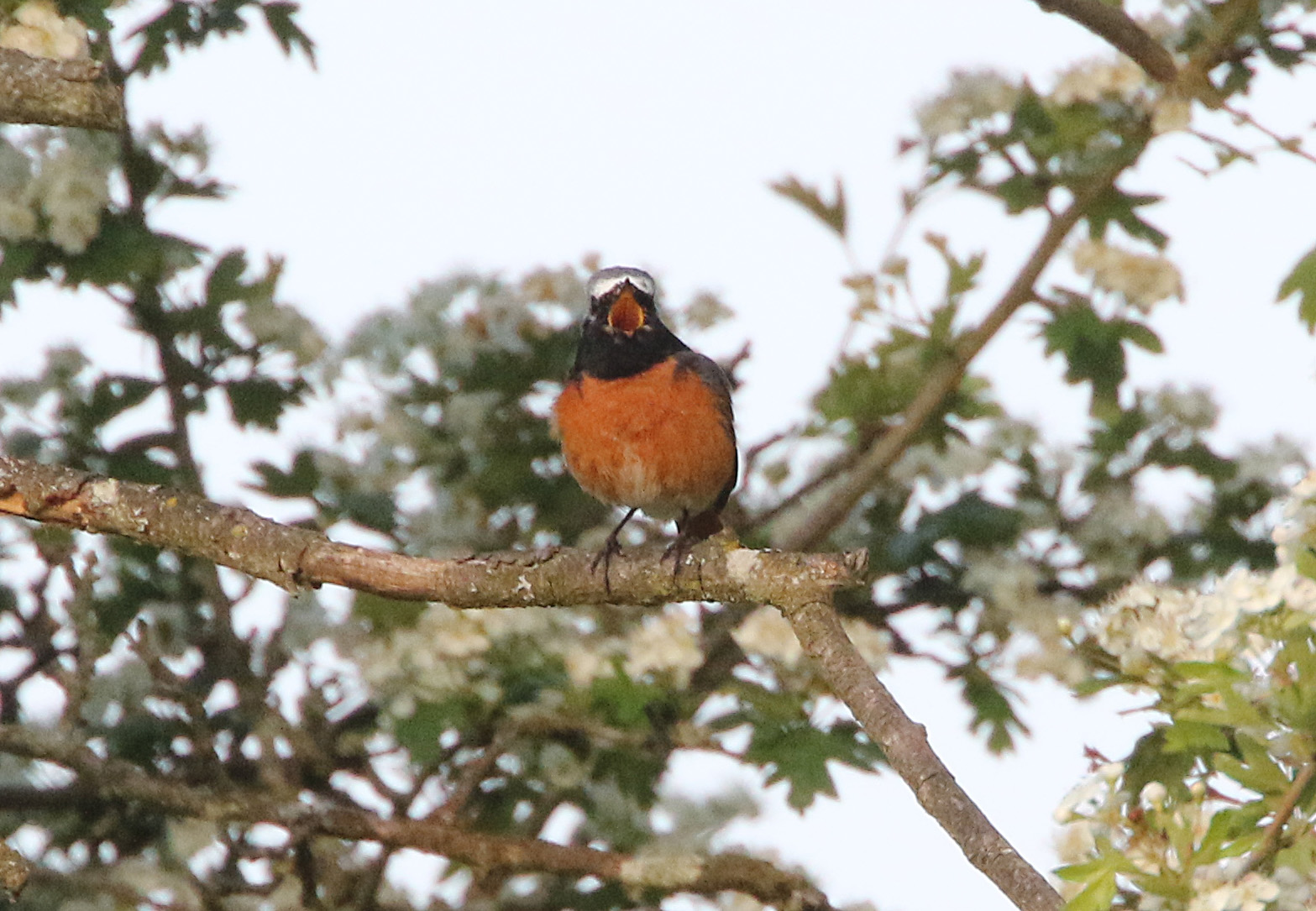
REDSTART SD 3

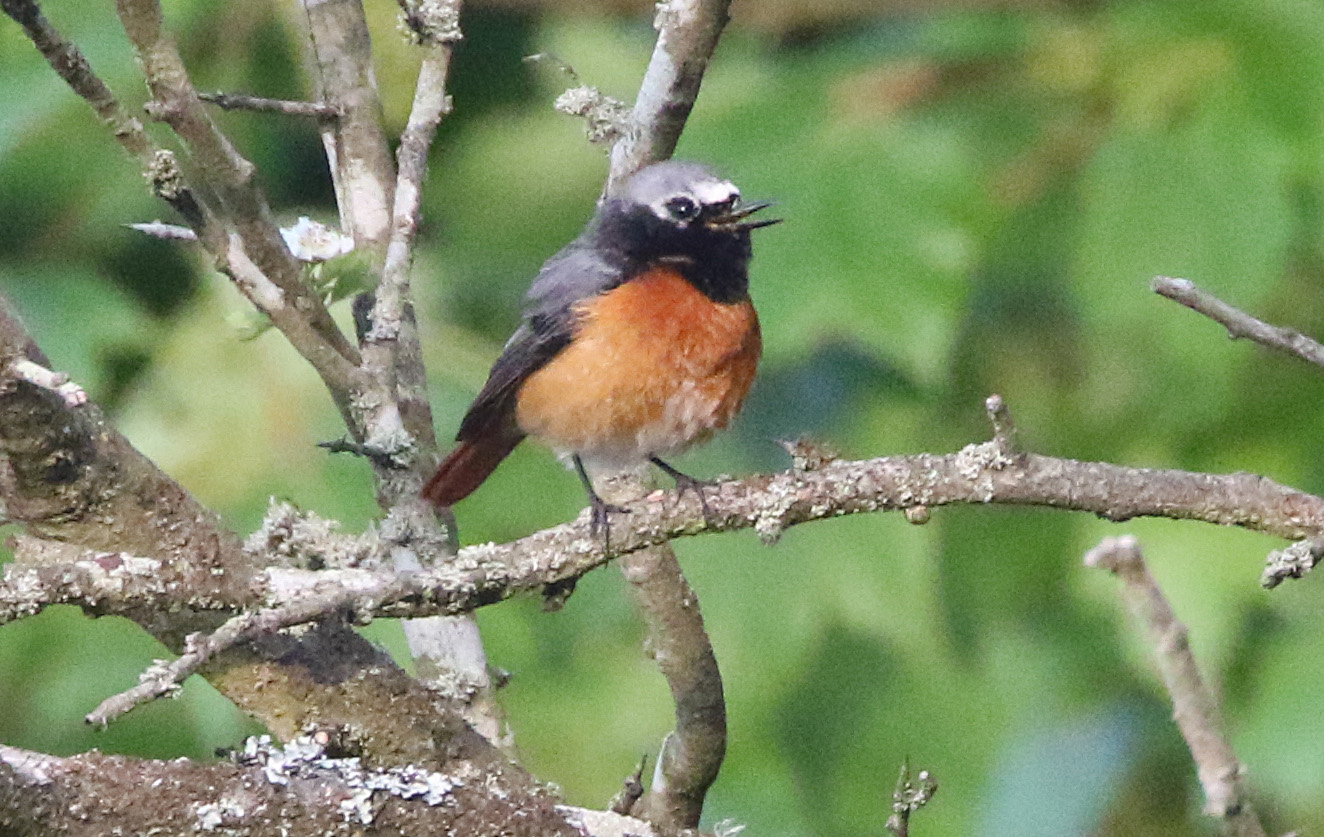
Redstart, May


REDSTART SD 2

Redstart, May


REDSTART SD 1

Redstart, May


JAY HB 1

Jay, Lynford, May


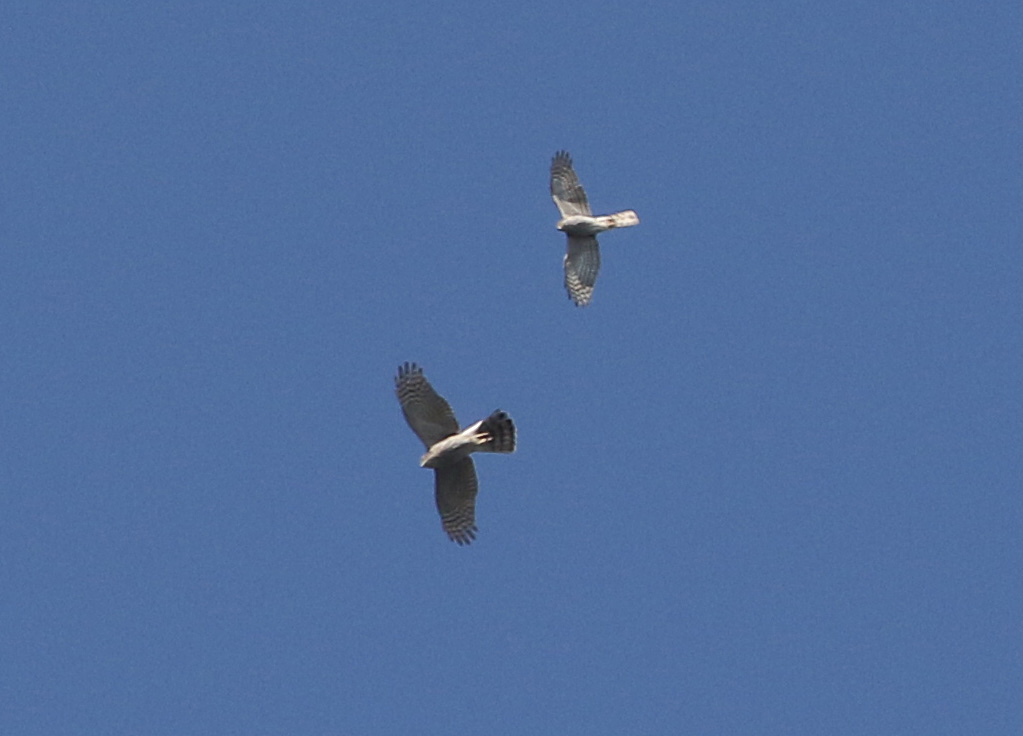
SHAWK 2

Sparrowhawk, Cockley Cley, May


SHAWK 4

Sparrowhawk, Cockley Cley, May


FIRECREST LYN 1

Firecrest, Lynford, May


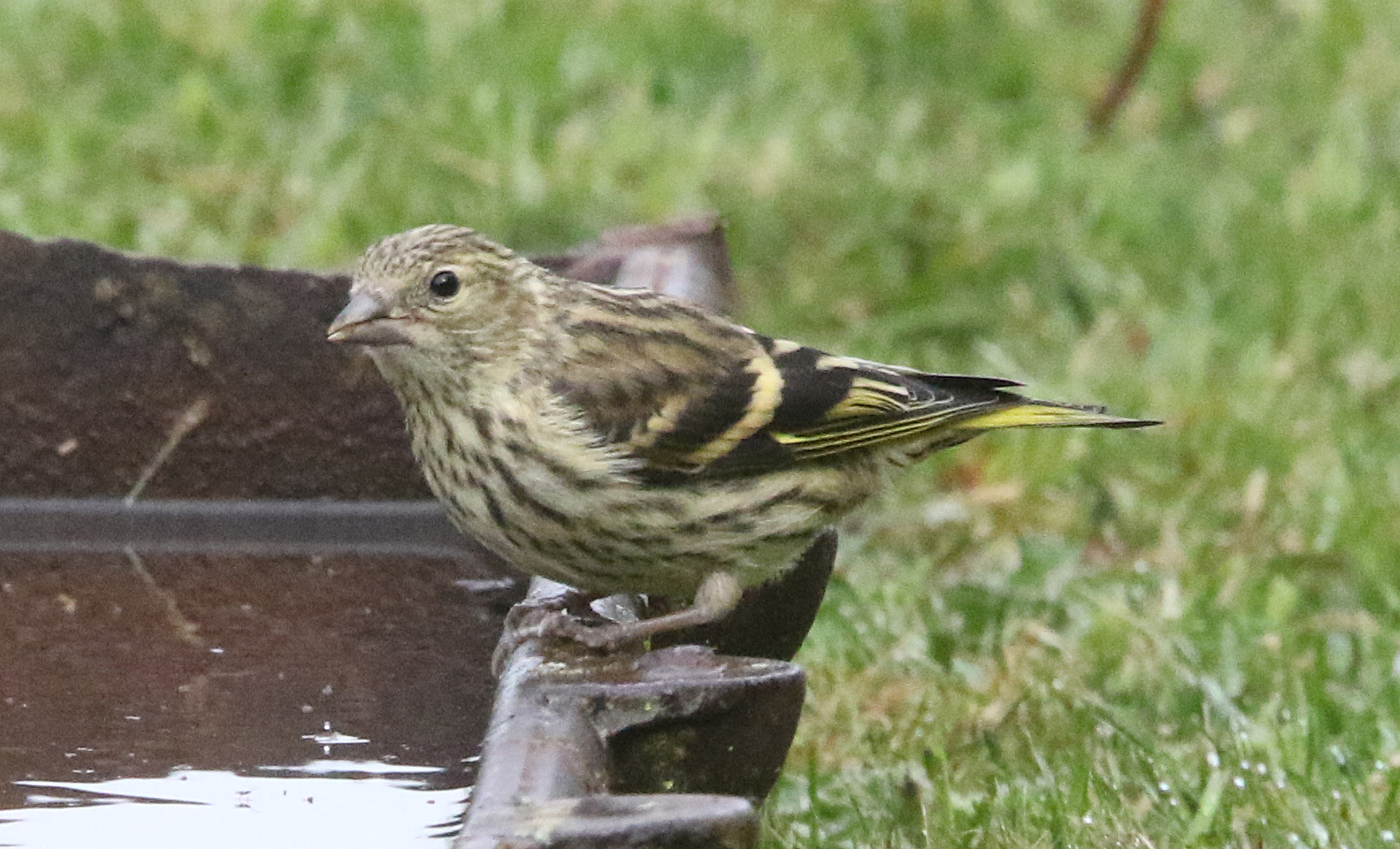
SISKIN GARDEN 2

Siskin, Cockley Cley, May


SISKIN IMM GARDEN 2

Siskin, Cockley Cley, May


SISKIN IMMS GARDEN 1

Siskin, Cockley Cley, May


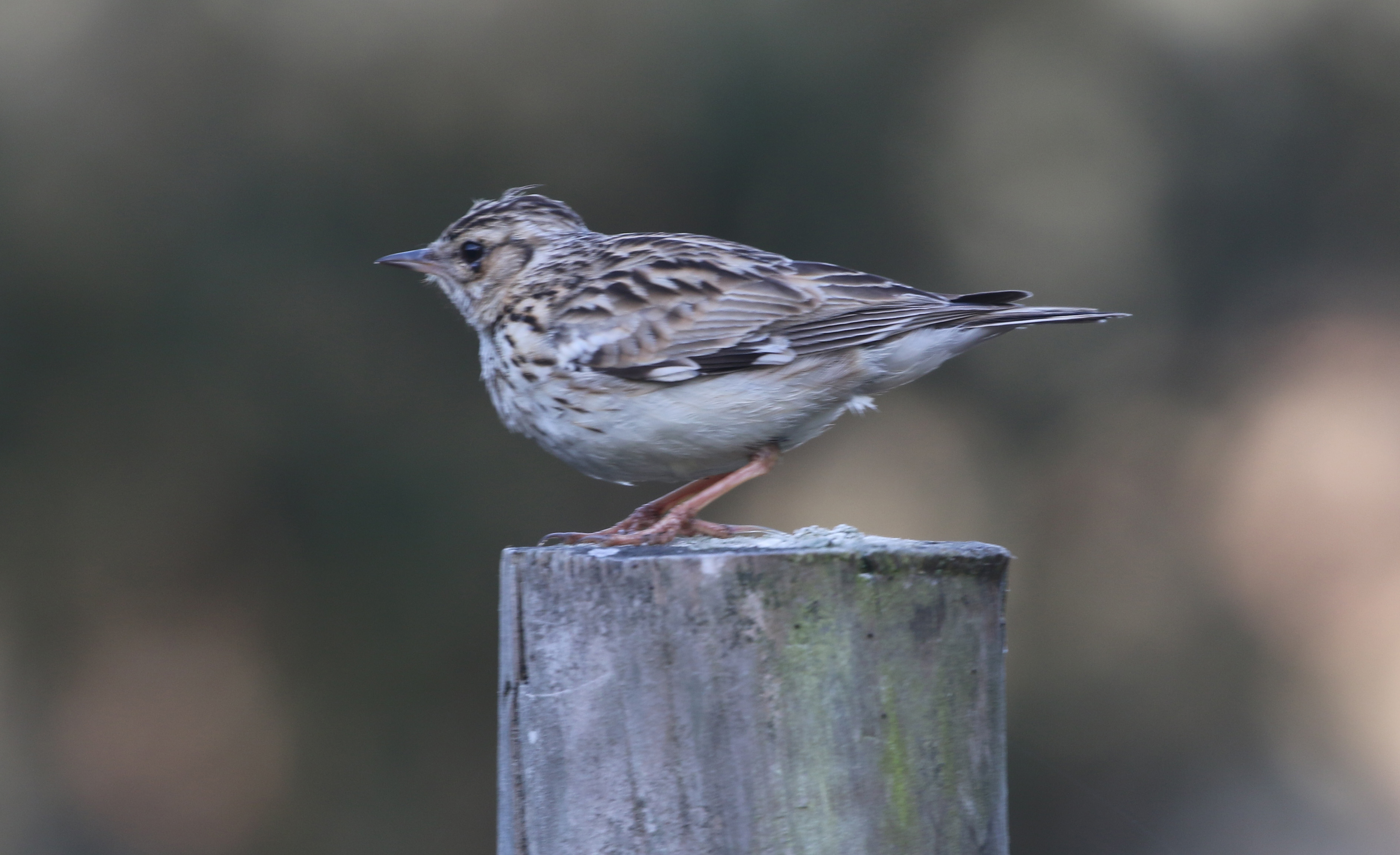
WOODL GG

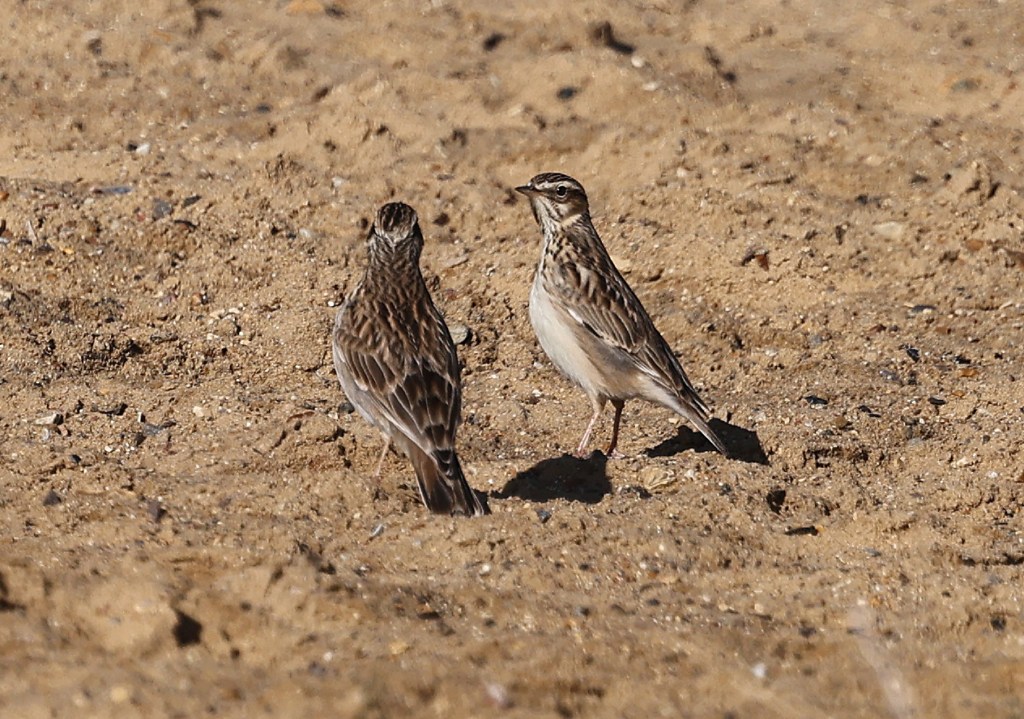
Woodlark, Cockley Cley, May


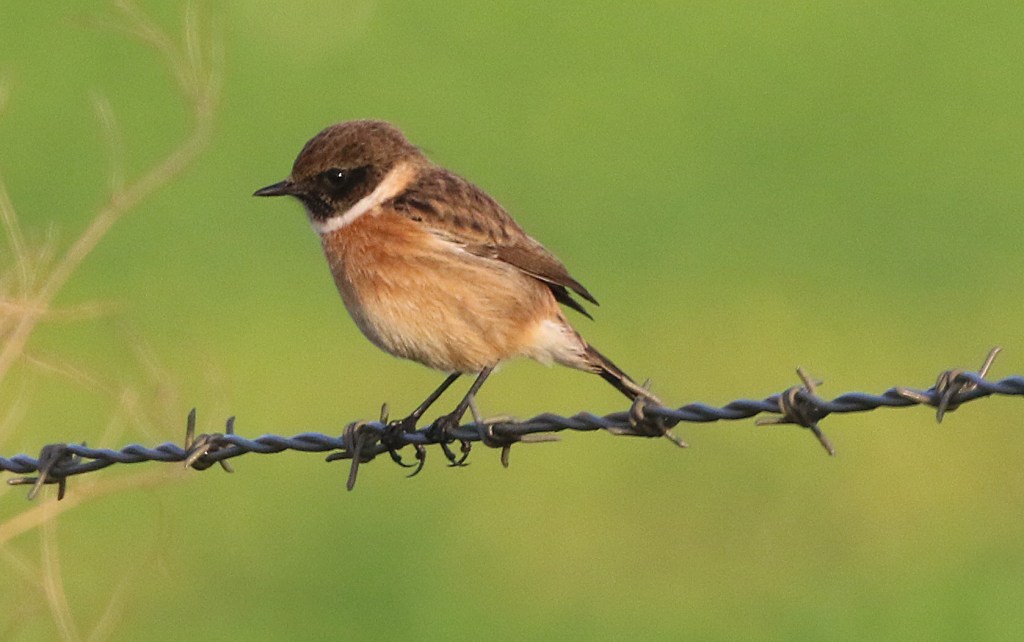
STONECHAT SD 2

Stonechat, West Tofts, May


stonechat SD 1

Stonechat, West Tofts, May


SISKIN GARDEN 1

Siskin, Cockley Cley, May


RAVENS HBRO MAY 3RD 1

Raven, Cockley Cley 3rd May


RAVENS HBRO MAY 3RD 2

Raven, Cockley Cley 3rd May


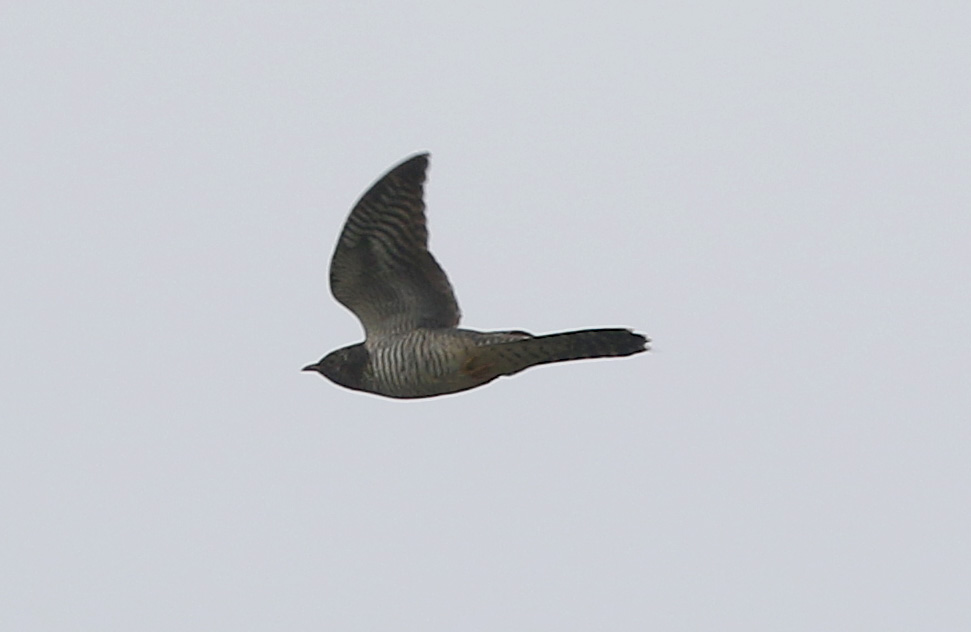
CUCKOO BOUGHTON

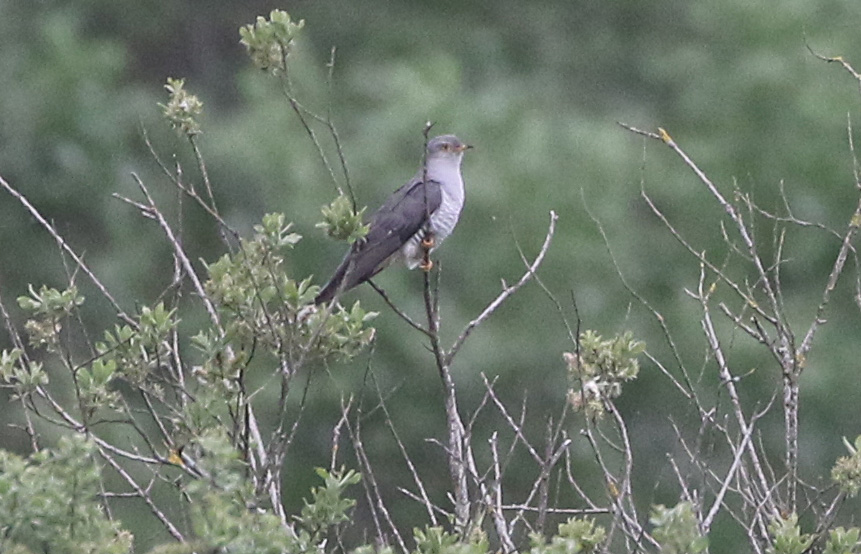
Cuckoo, Boughton Fen, 2nd May


HOBBY BOUGHTON

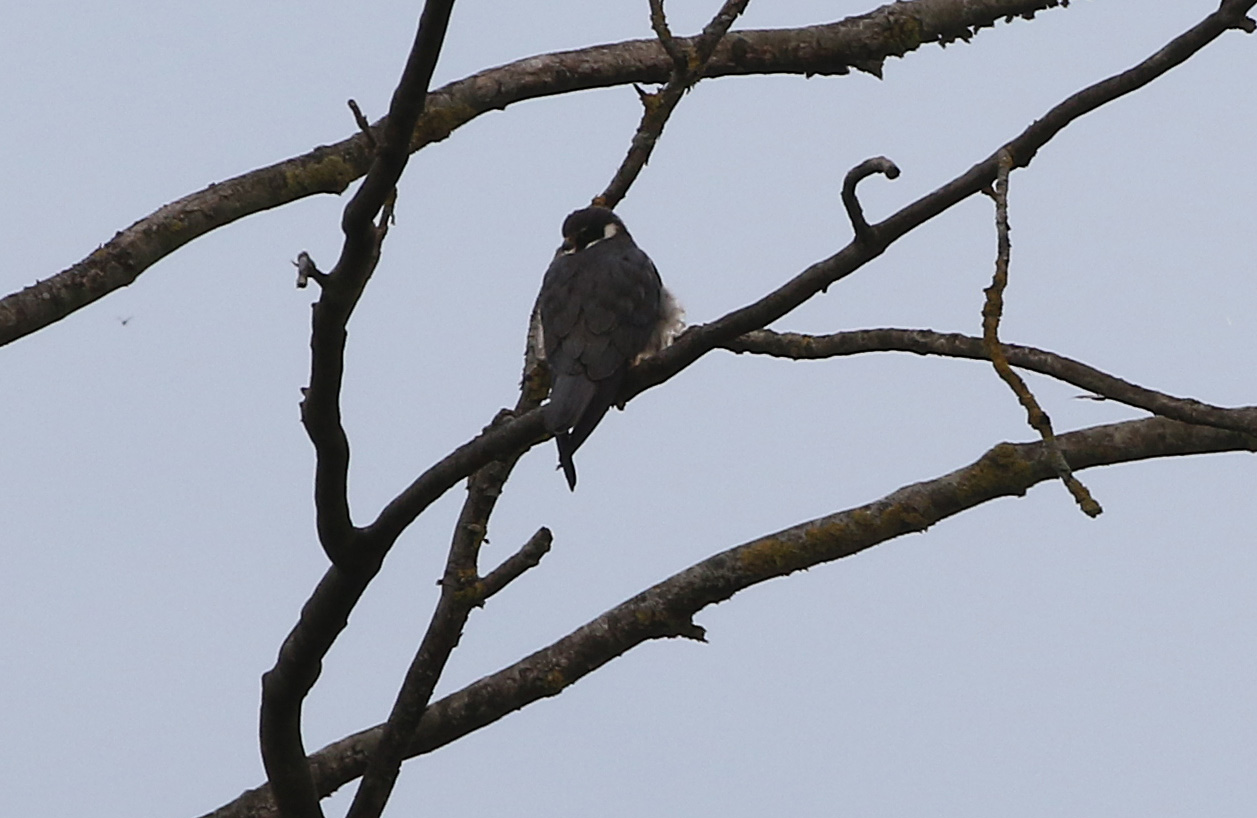
Hobby, Boughton Fen, 2nd May


TREE PIPIT 2 5 3

Tree Pipit, Cockley Cley, 2nd May


TREE PIPIT 2 5

Tree Pipit, Cockley Cley, 2nd May


RAVEN SAND 11

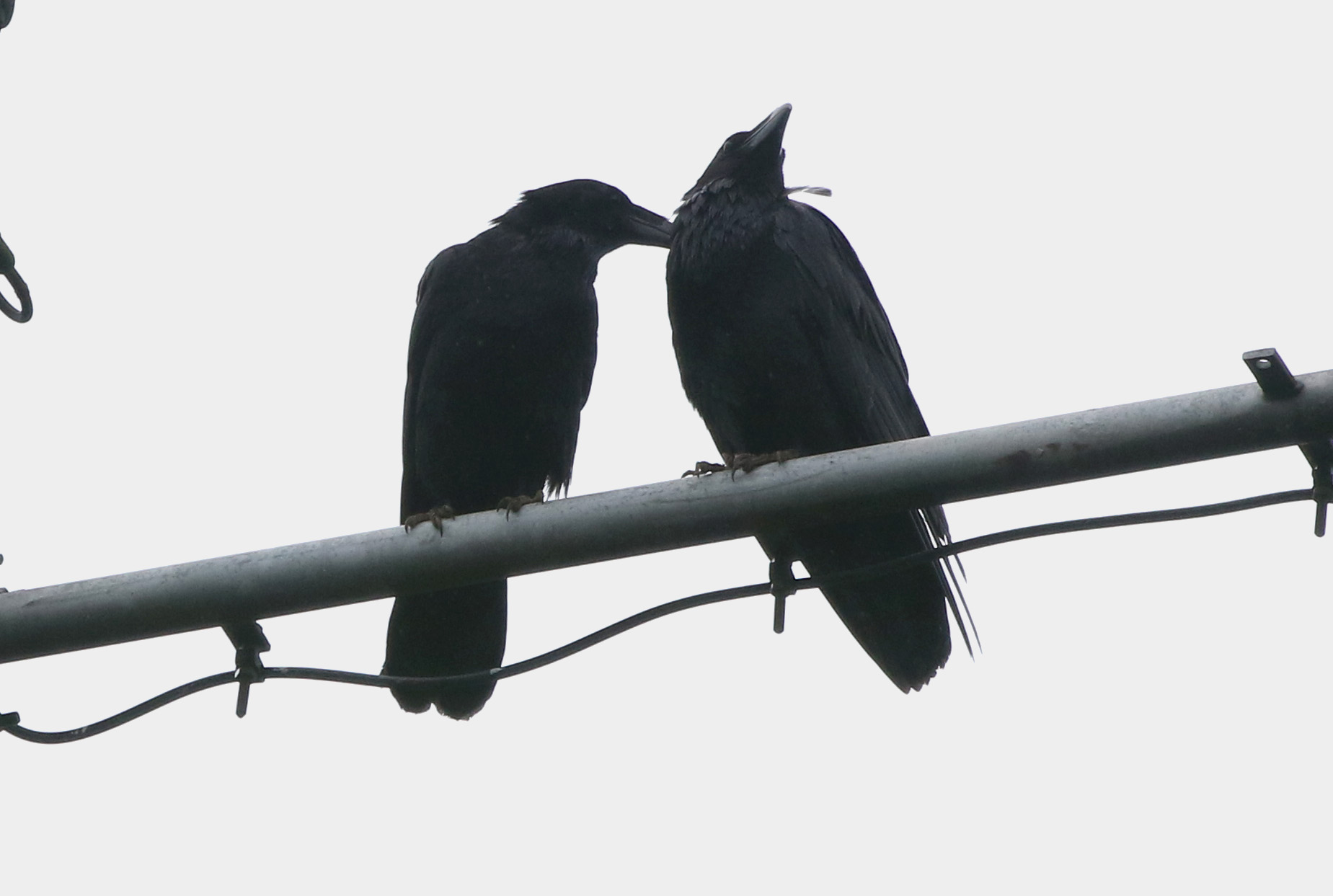
Ravens, 1st May


GOS GARDEN 1

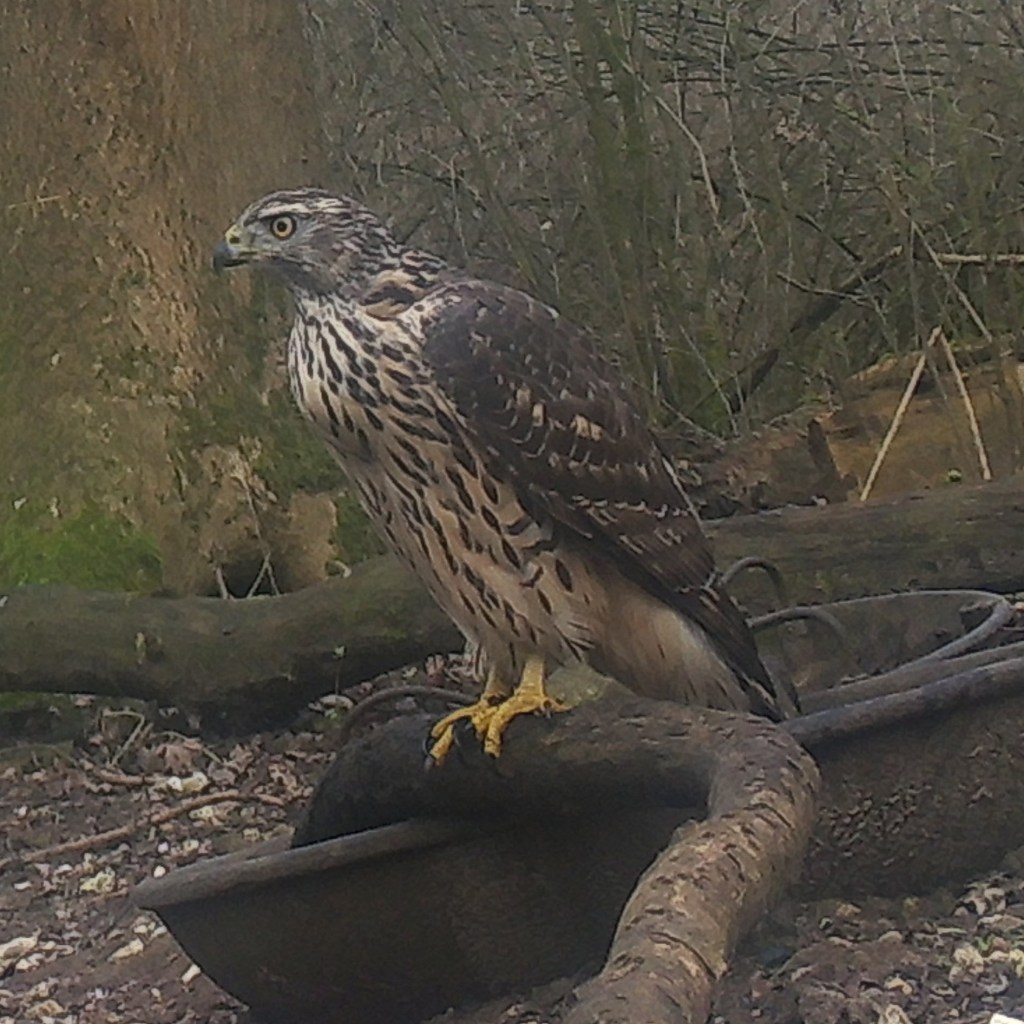
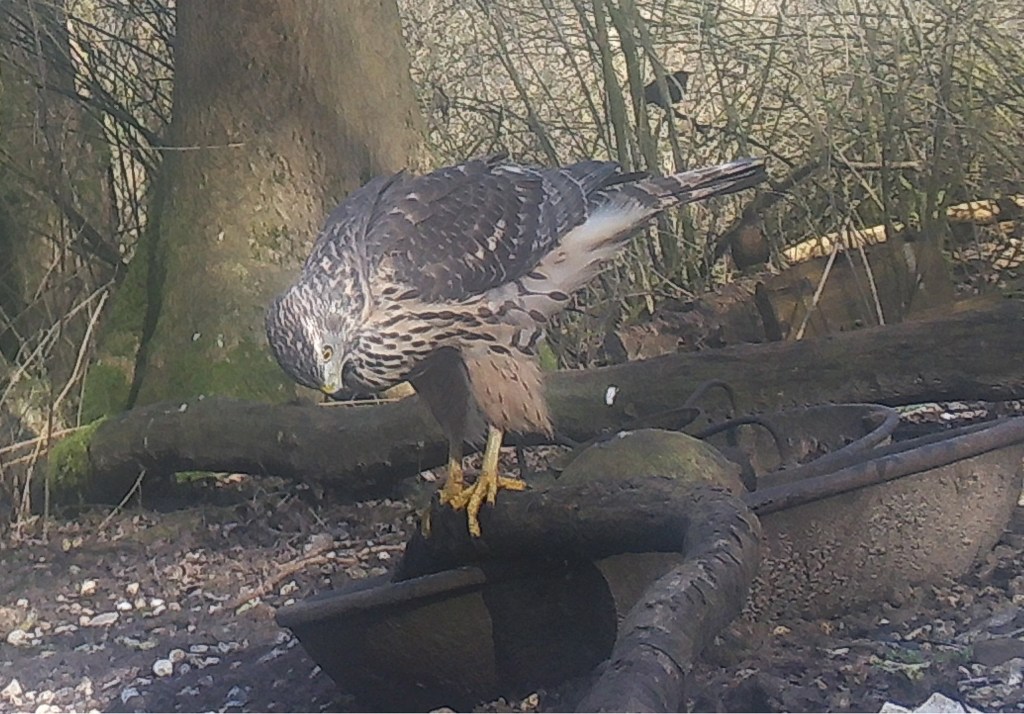
Goshawk, Cockley Cley, 26th April

WILL WARB 3

Willow Warbler, Cockley Cley, 26th April


WILL WARB2

Willow Warbler, Cockley Cley, 26th April


WILL WARB 1

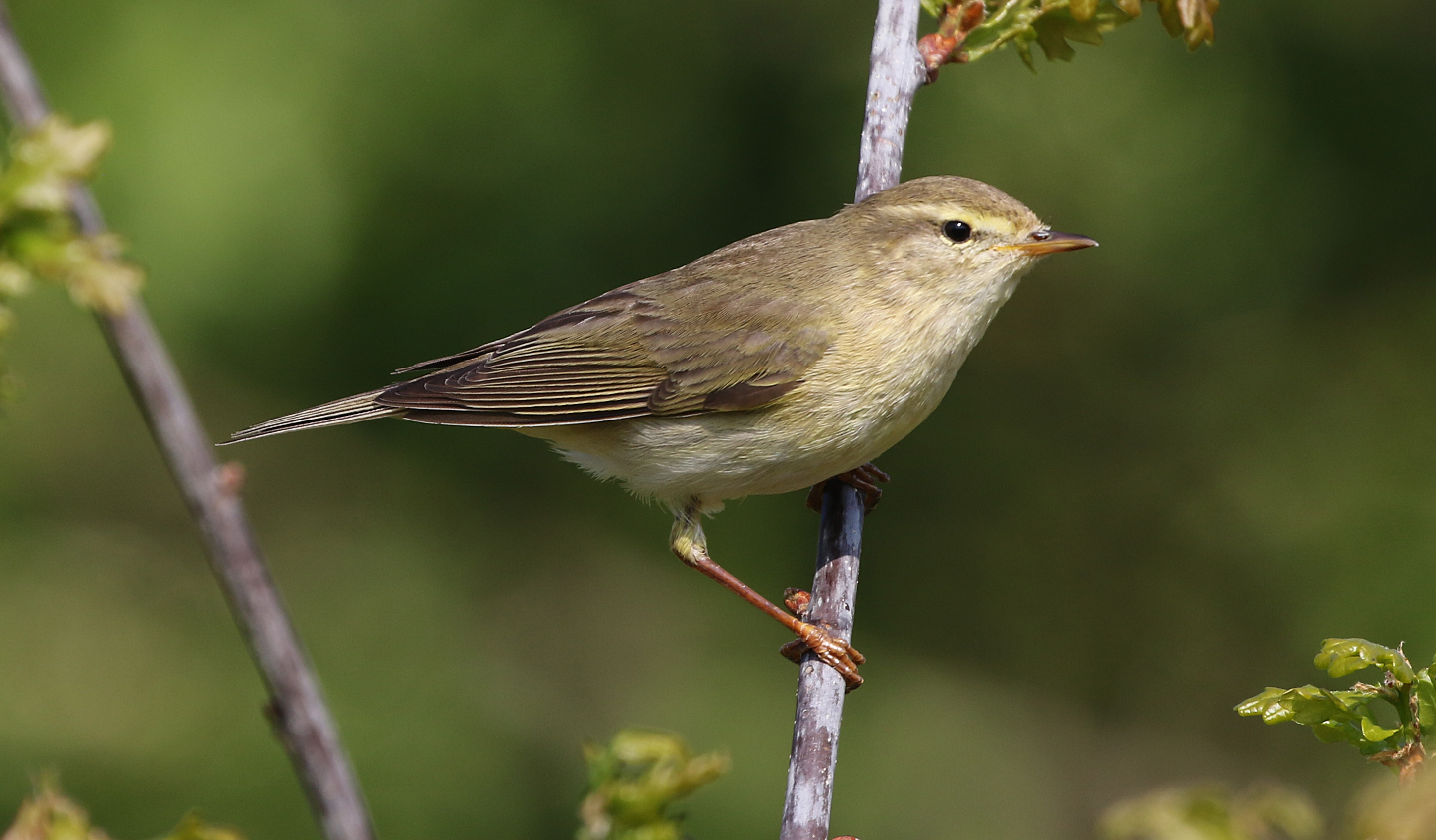
Willow Warbler, Cockley Cley,  26th April


WHEATEAR CC 25 4

Wheatear, Cockley Cley, 25th April


WHEATEAR CC 18 4

Wheatear, Cockley Cley 18th April


SONG THRUSH JUV 17 4 20

Song Thrush, Cockley Cley, 17th April


GREEN WOODY 3

Green Woodpecker, Cockley Cley,


ROOK AND BUZZARD

Rook and Buzzard, Cockley Cley, 12th April


BLACKCAP APR 20

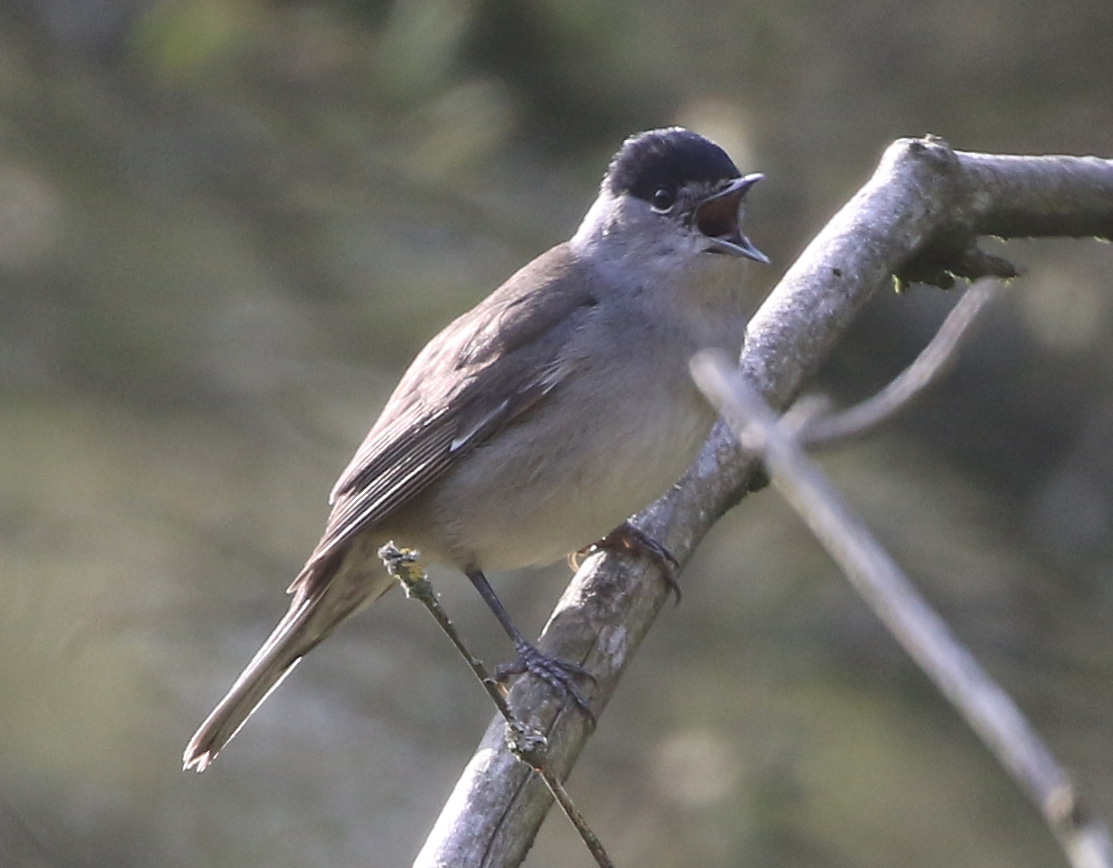
Blackcap, Cockley Cley, 4th April


MARSH AND WILLOW 4

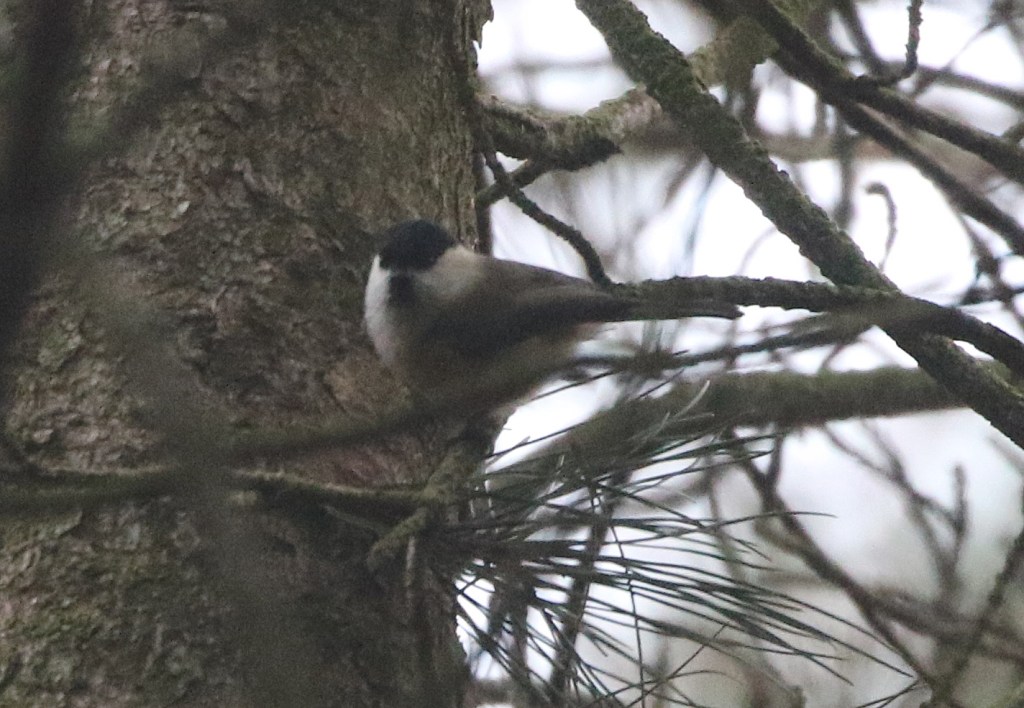
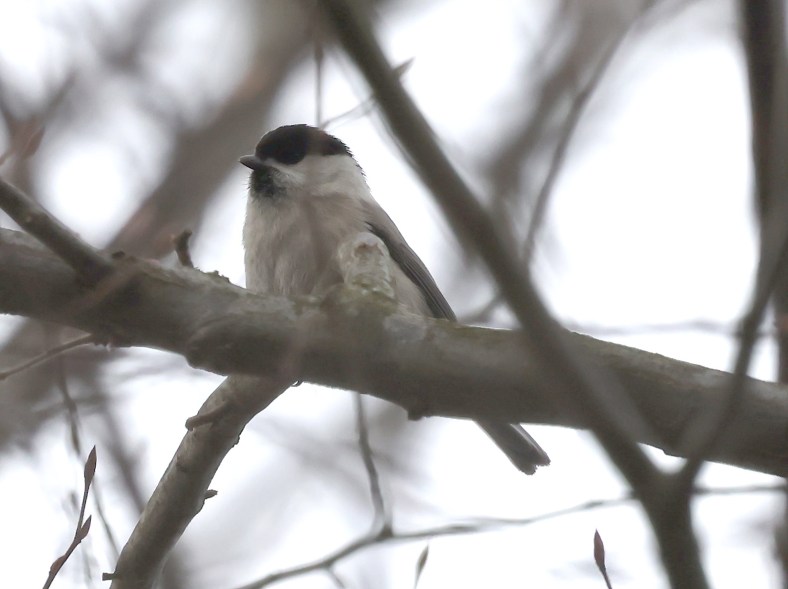
Marsh and Willow Tit, 28th March


WILLOW 283

Willow Tit, 28th March


MARSH AND WILLOW 5

Marsh and Willow Tit, 28th March


REDWINGS

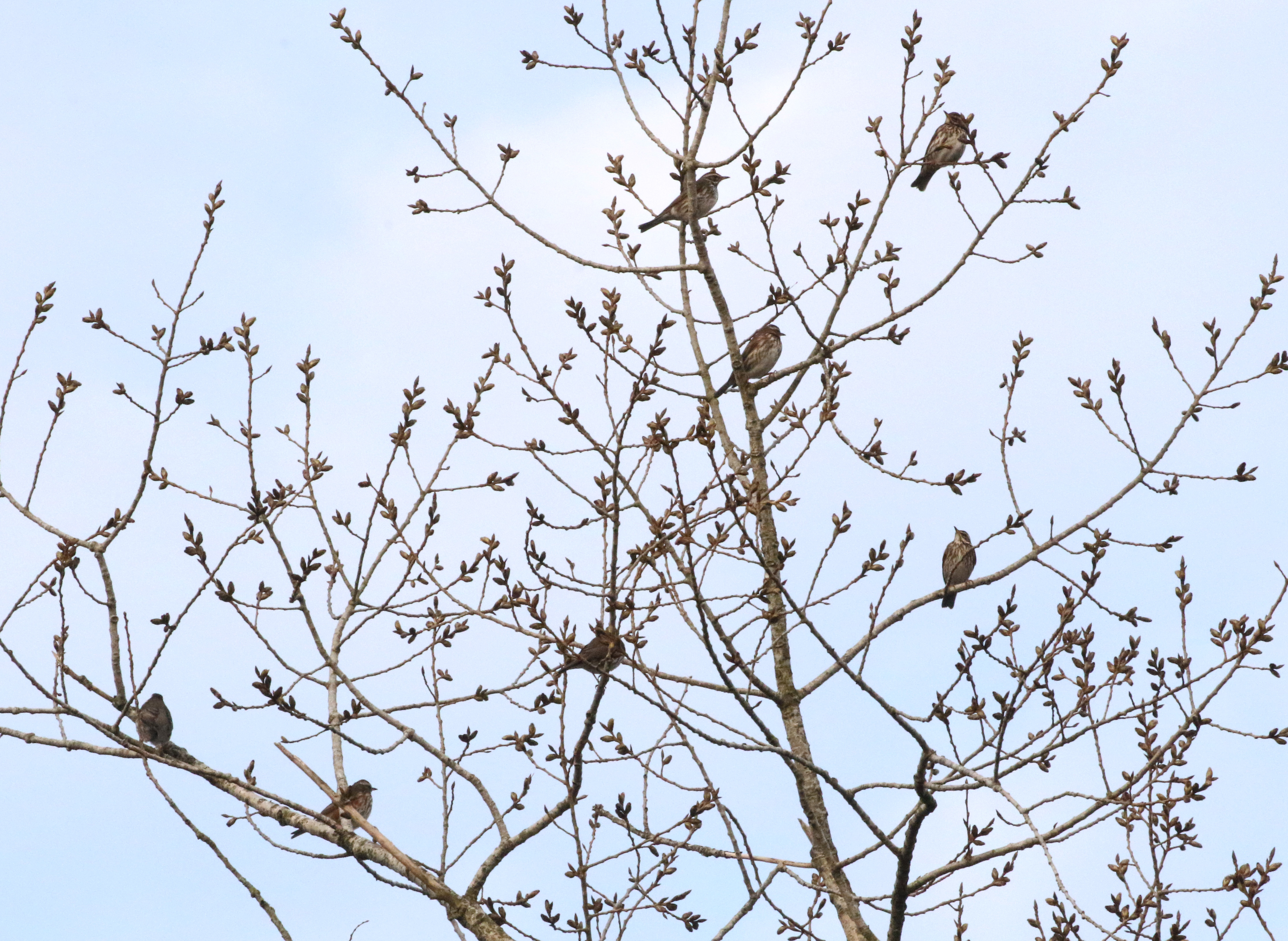
Redwings, Cockley Cley, 28th March


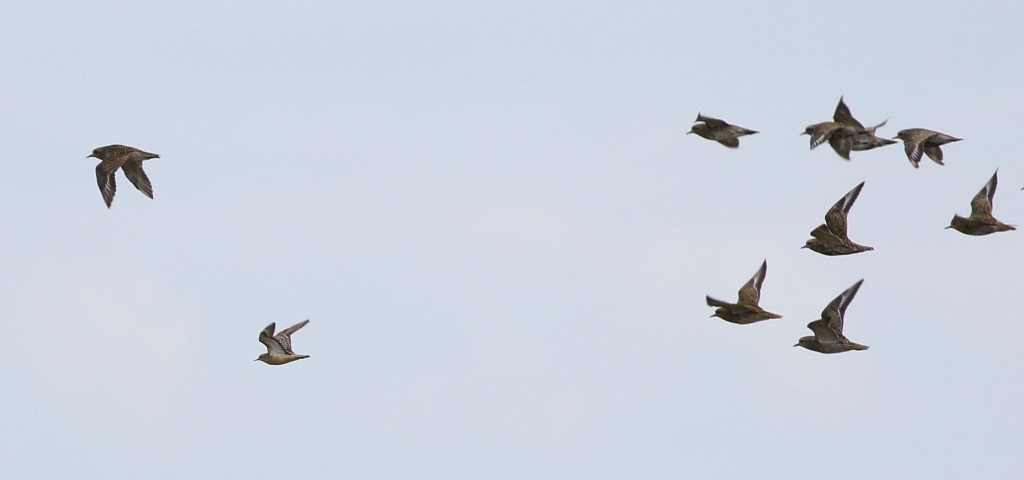
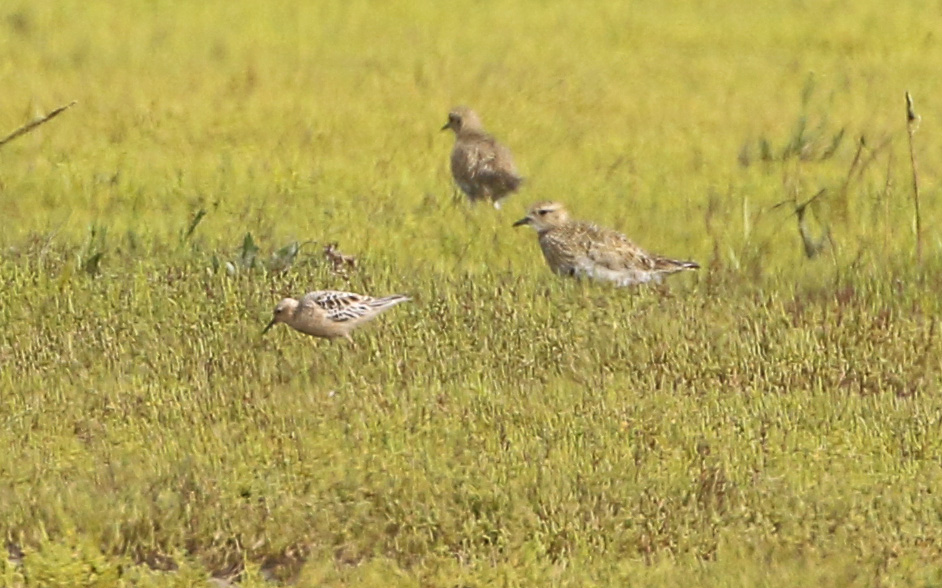
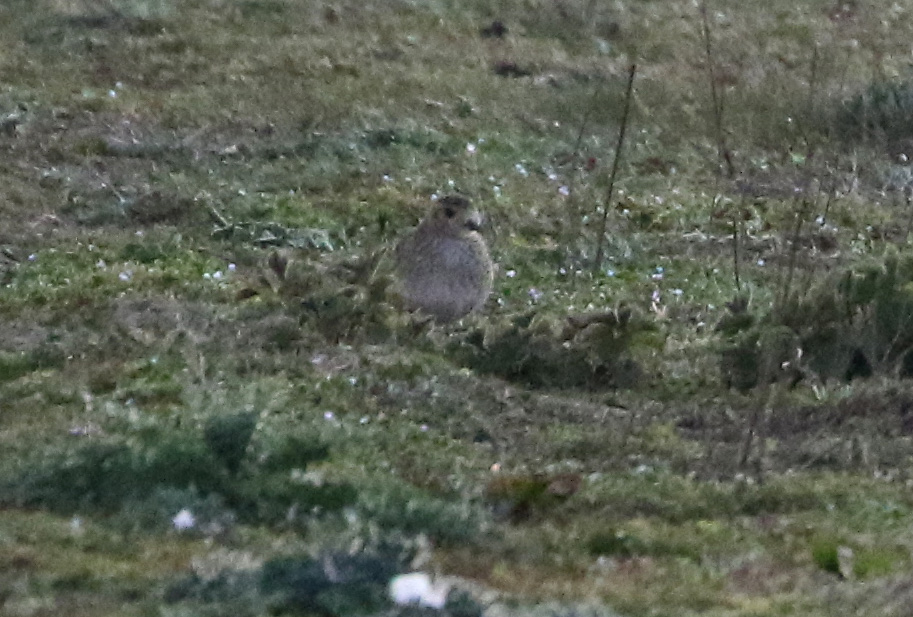
Golden Plover, Cockley Cley 26th March

LRP CC

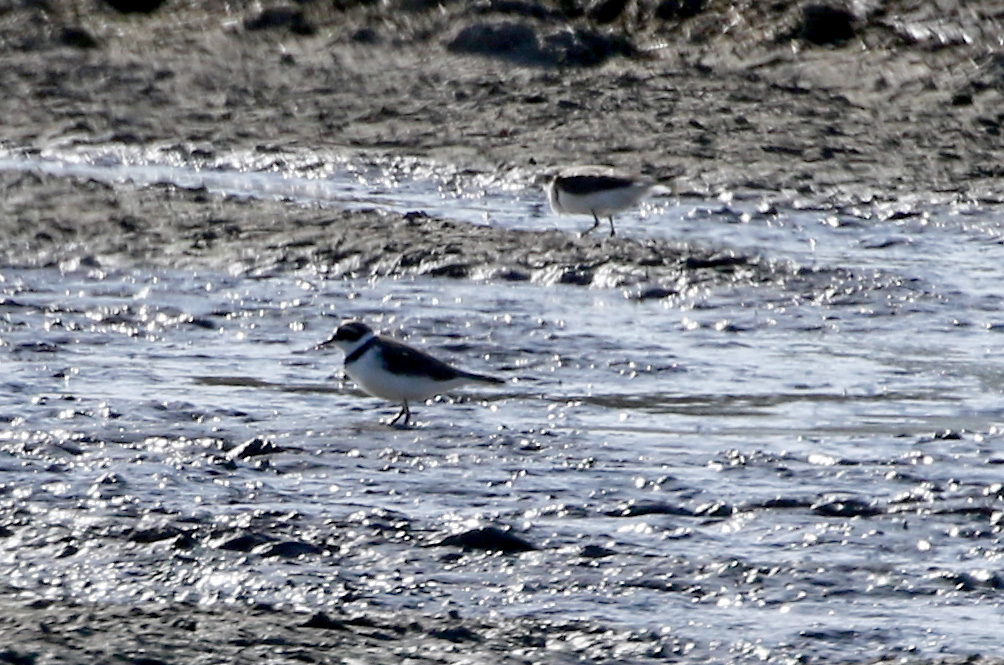
Little Ringed Plover, Cockley Cley 22nd March


bn grebe wbf 2

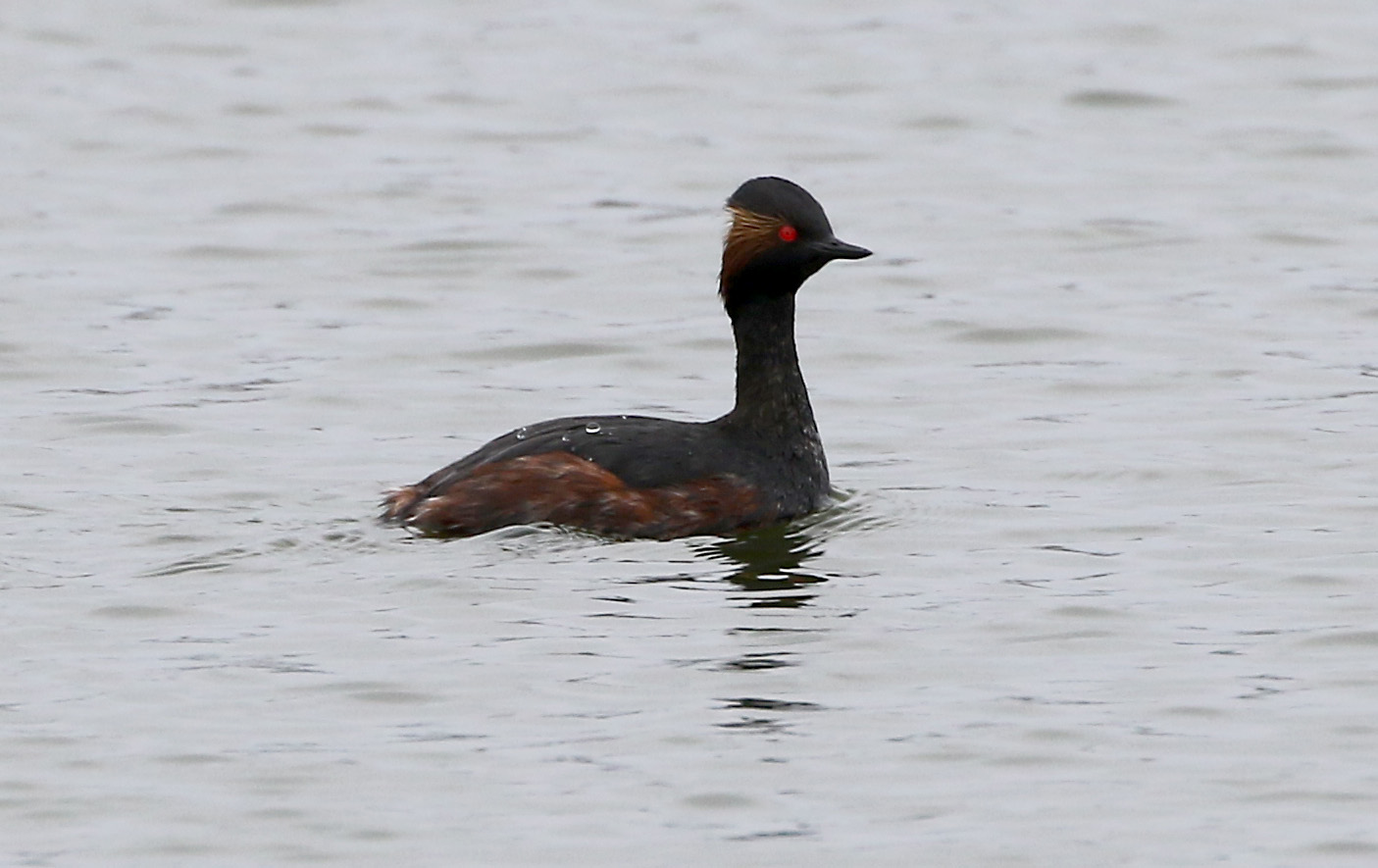
Black-necked Grebe, Wissington BF 19th March


BNG W BF 1

Black-necked Grebe, Wissington BF 19th March

WHOOPERS WBF

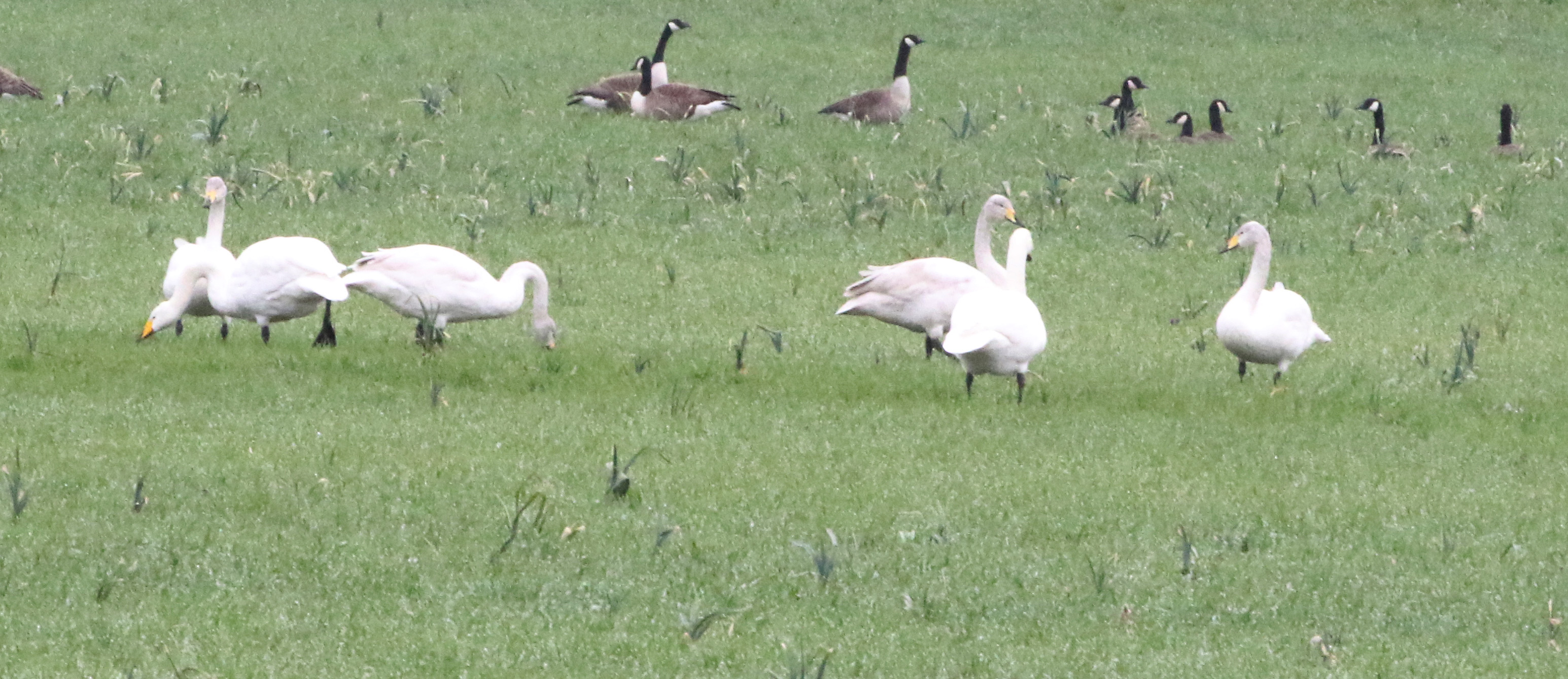
Whooper Swan, Wissington, 19th March


BARN OWL CC

Barn Owl, Cockley Cley, 19th March


GREEN SAND CC 3

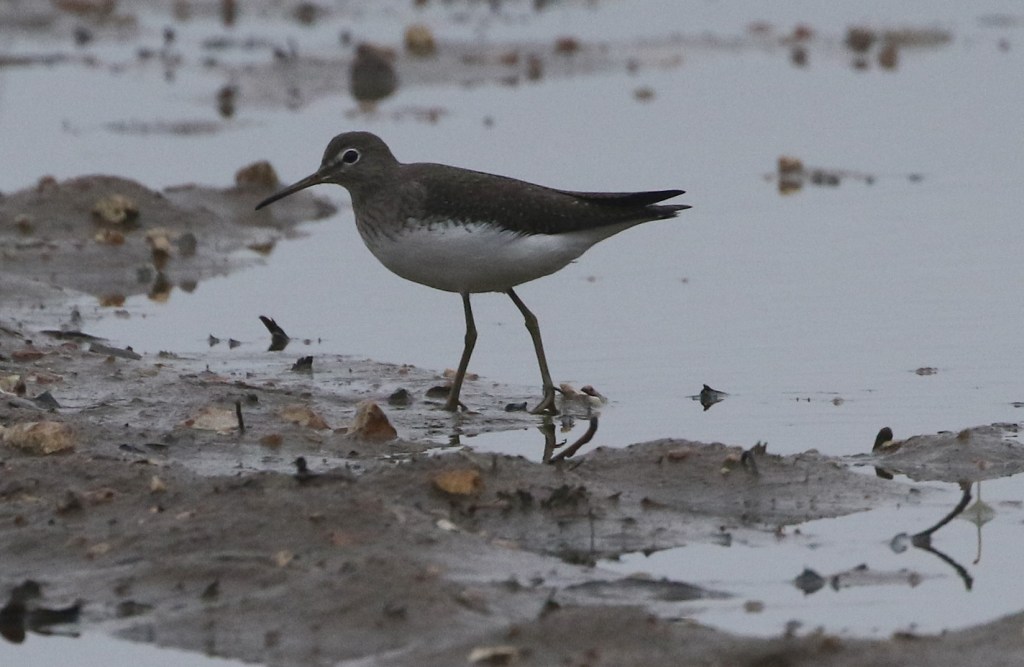
Green Sandpiper, Cockley Cley 19th March


MED GULLS NP 1

Mediterranean Gull. North Point, 15th March


GREY WAG FEM CC 2

Grey Wagtail, Cockley Cley 14th March


GREY WAG MALE CC 2

Grey Wagtail, Cockley Cley 14th March


LEO ROOSTING

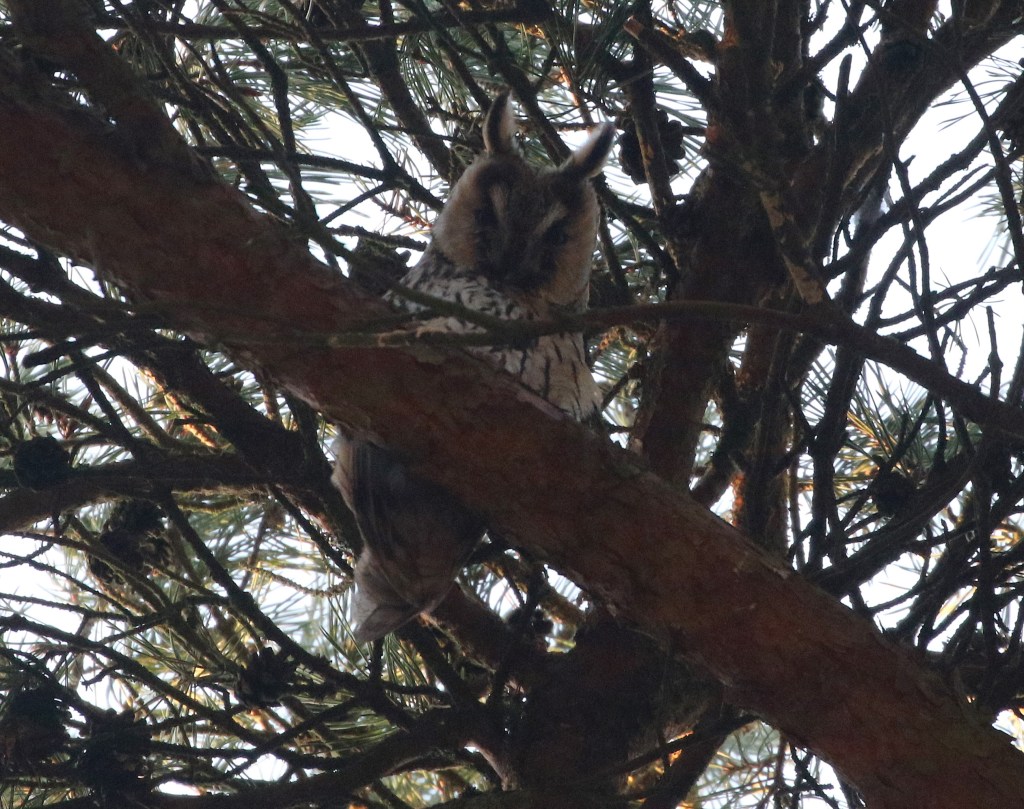
Long-eared Owl, March 13th


REDPOLL CC 11 3

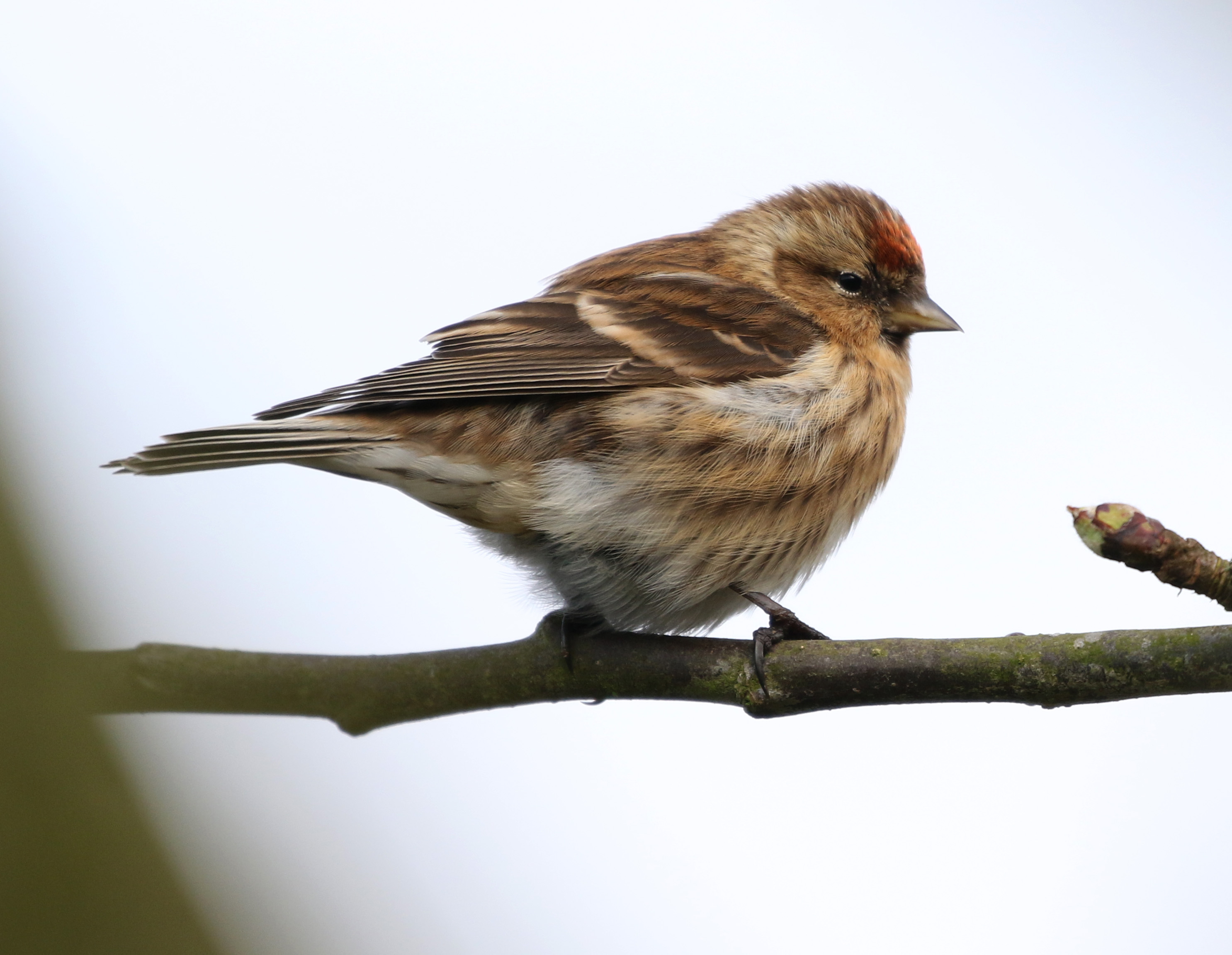
Lesser Redpoll, Cockley Cley 11th March


tree sp gc

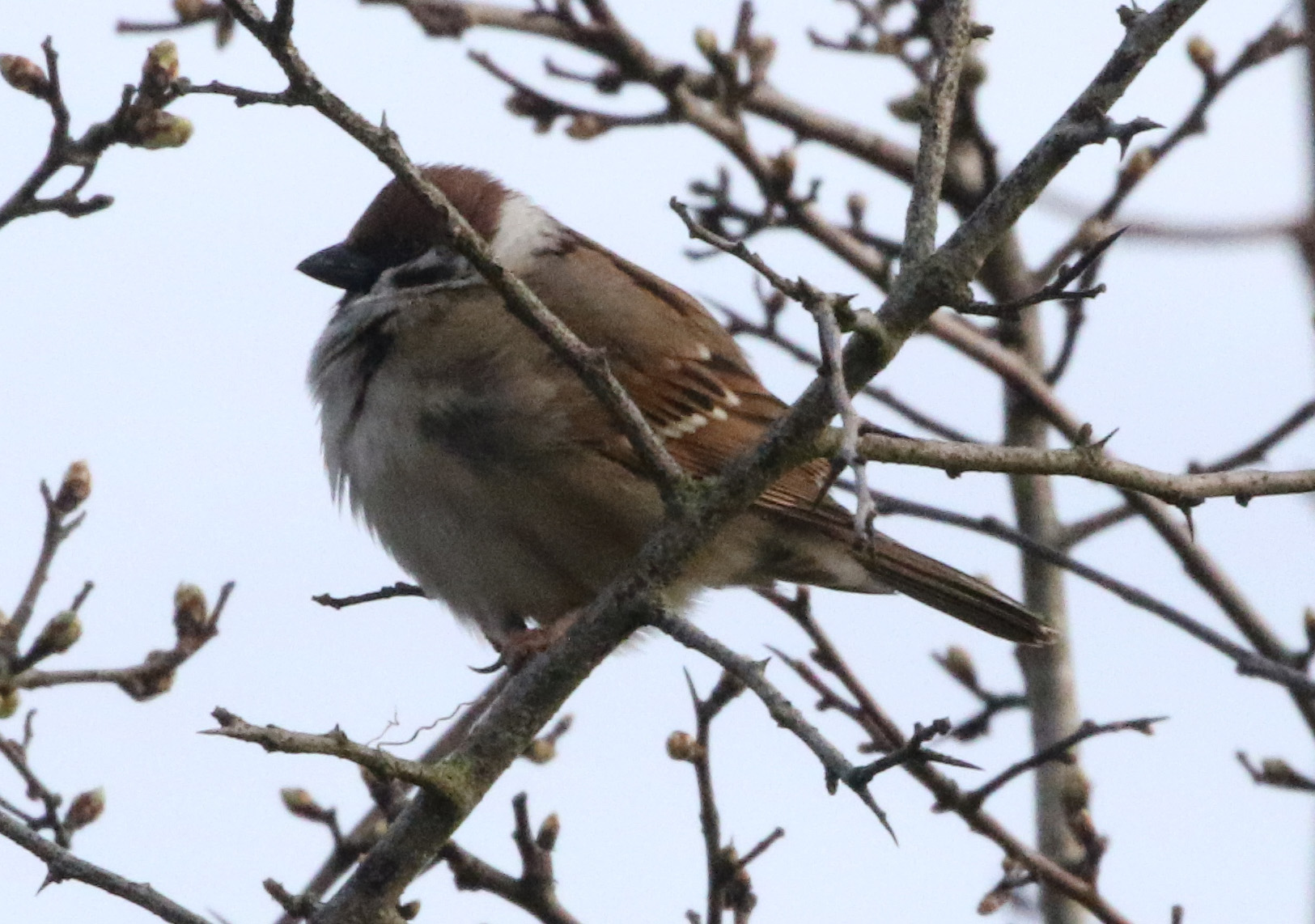
Tree Sparrow, Great Cressingham, 7th March


GGS FIN 3

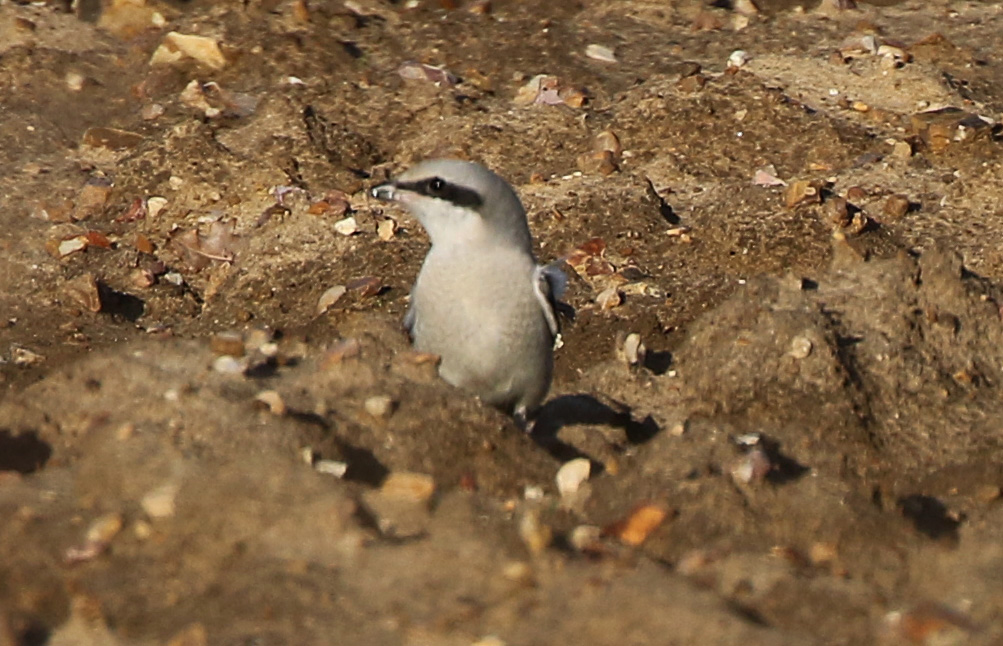
Great Grey Shrike, Fincham 2nd March


GGS FIN 1

Great Grey Shrike, Fincham 2nd March


Bullfinch, Lynford, 1st March


BULLF 1 3 201

Bullfinch, Lynford, 1st March


BULL FEM 1

Bullfinch, Lynford, 1st March


CHAFFINCH

Chaffinch, Lynford, 1st March


B OWL

Barn Owl, Great Cressingham, 1st March


MARSH TIT

Marsh Tit, Lynford 1st March


Black-throated Thrush, Grimsby, Lincolnshire, 28th February


Black-throated Thrush, Grimsby, Lincolnshire, 28th February


Black-throated Thrush, Grimsby, Lincolnshire, 28th February


Great Grey Shrike, Fincham 23rd February


Hawfinch, Lynford, 16th February


Hawfinch, Lynford, 16th February


Wood Pigeon, Lynford


Bullfinch, Lynford


BULLF M 2

Bullfinch, Lynford


FEM LSW SD FEB

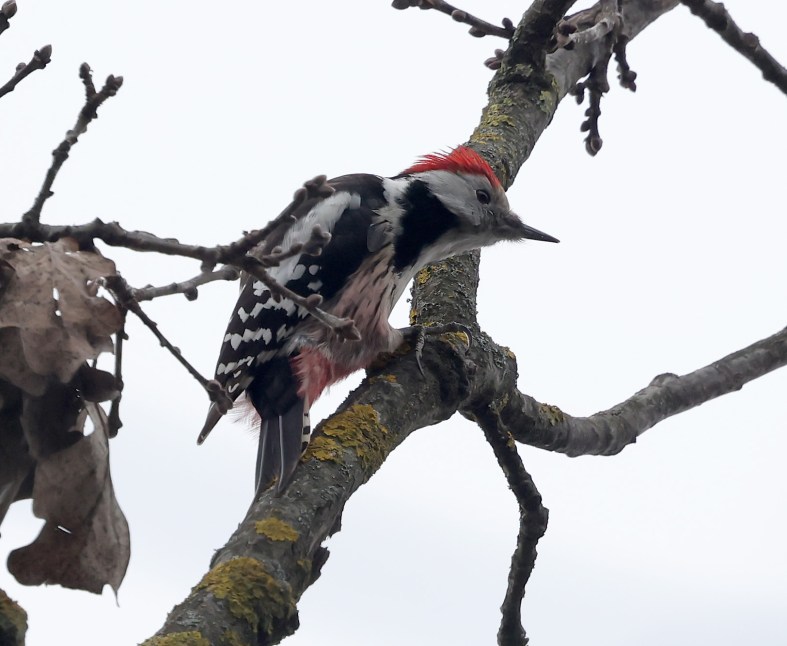
Lesser-spotted Woodpecker, Santon Downham


Bittern, NVF 3rd February


Goshawk, 3rd February


Goshawk, 3rd February


Goshawk, 3rd February


Raven, Lynford 3rd February


Raven, Lynford 3rd February


Hawfinch, Lynford 3rd February


Wigeon, Cockley Cley, 2nd February

White-fronted Goose, Cockley Cley, 2nd February


White-fronted Goose, Cockley Cley, 2nd February


Cattle Egret, Burnham Overy


Waxwing, Sculthorpe, 25th January


Mealy Redpoll, Cockley Cley, 13th January


Mealy Redpoll, Cockley Cley, 13th January


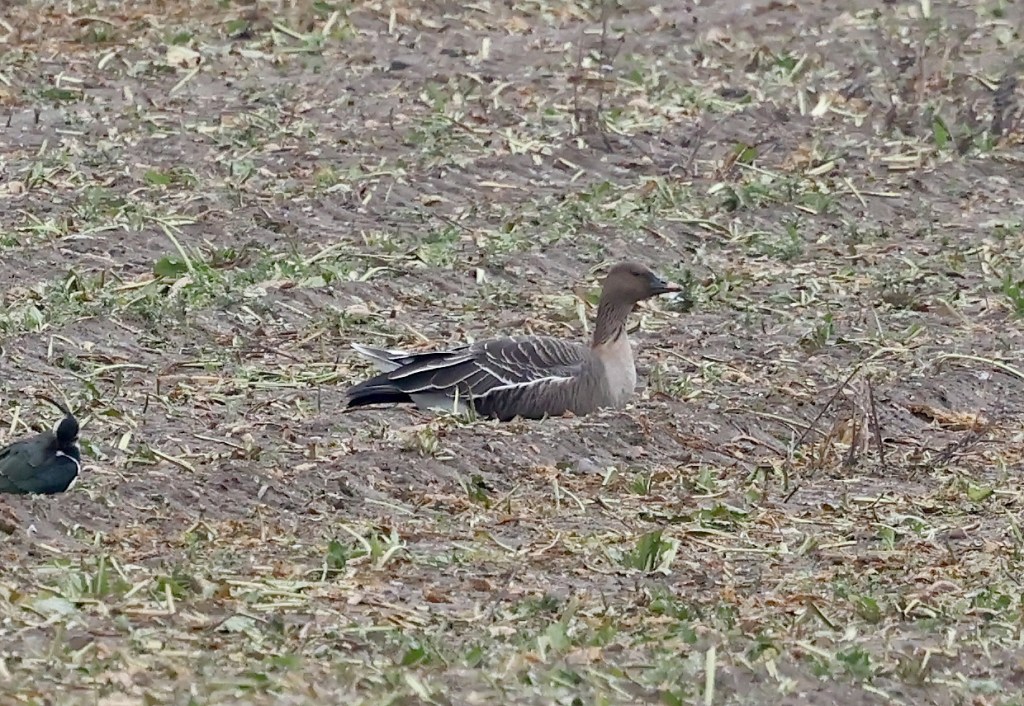
Pink-footed Goose, Pentney 14th January


Hawfinch, Lynford


Hawfinch, Lynford


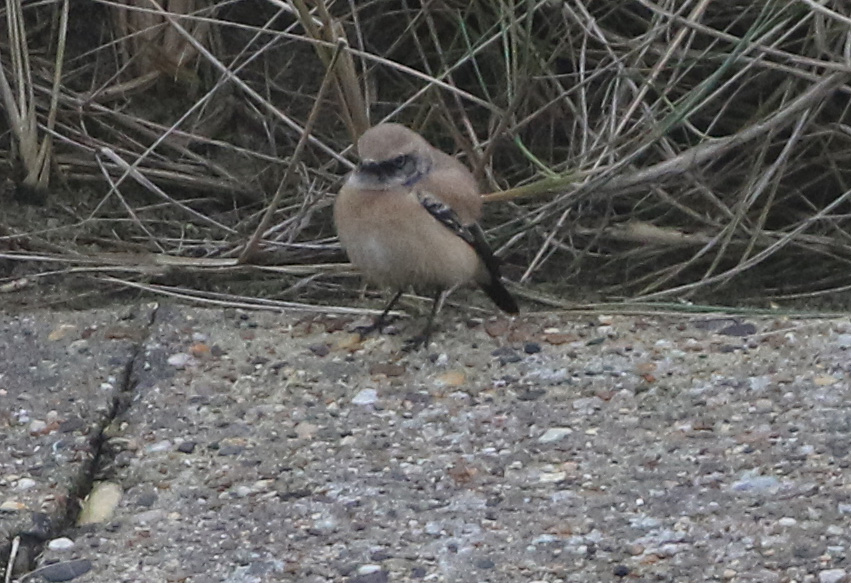
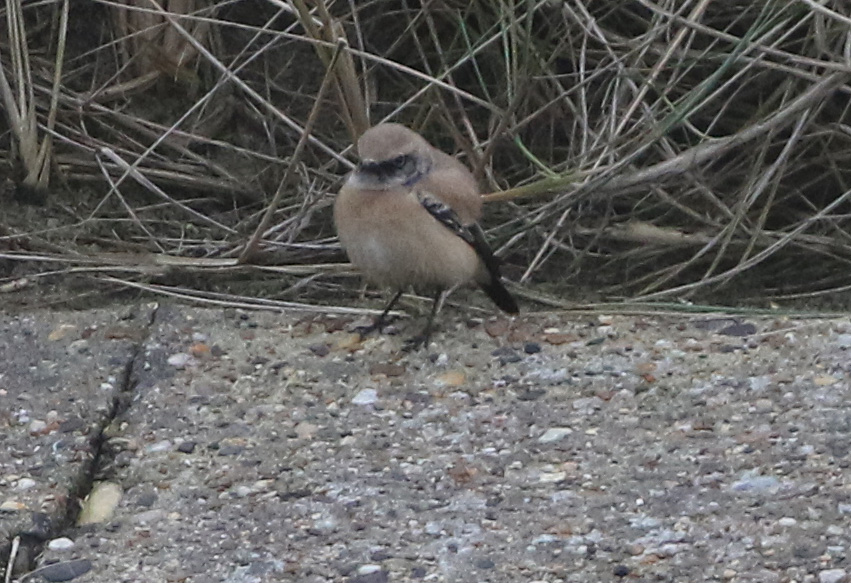
Desert Wheatear, Eccles, 5th January


Desert Wheatear, Eccles, 5th January
DES WH 1

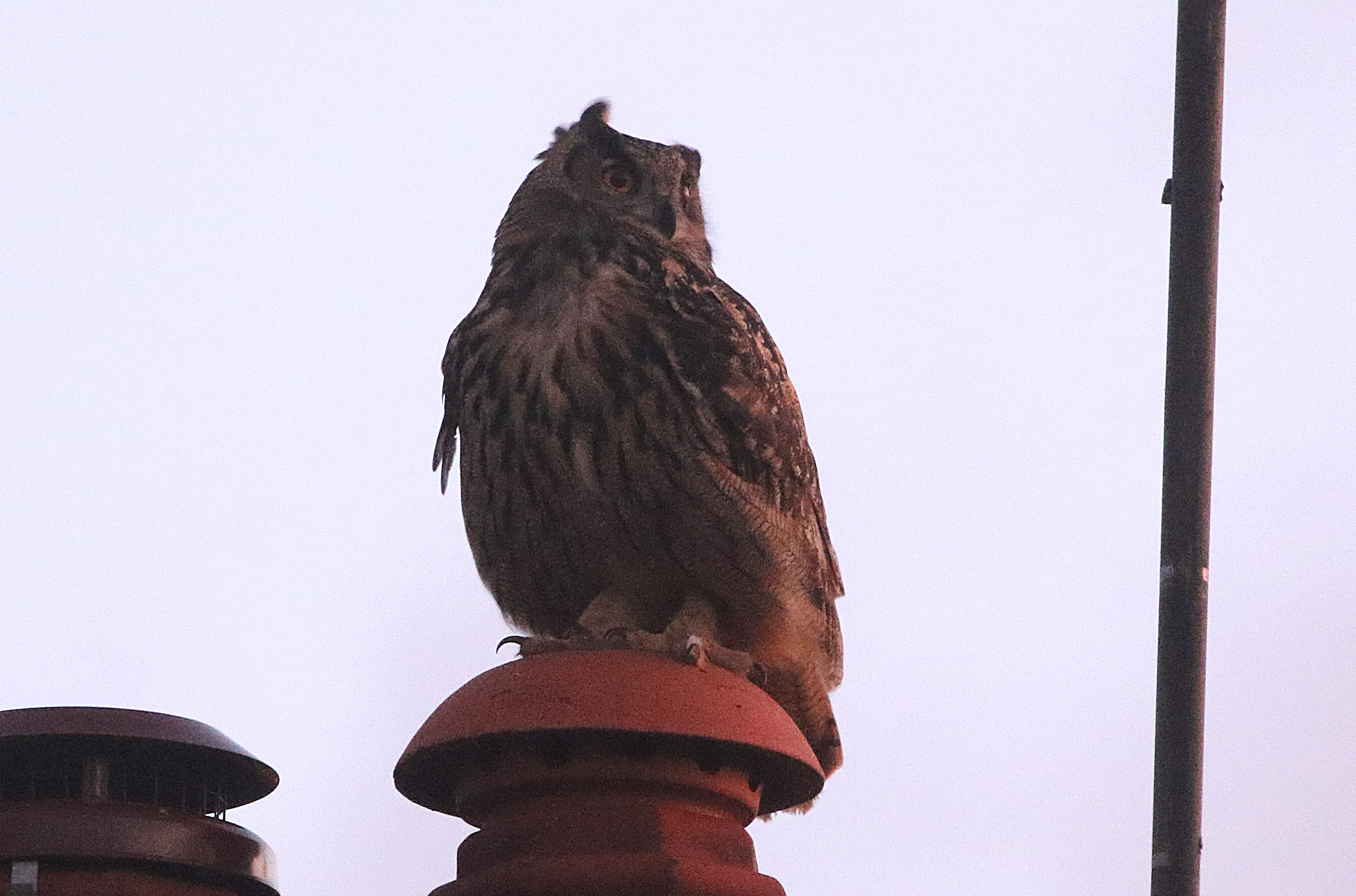
Eagle Owl, Winterton


Eagle Owl, Winterton

Rock Pipit, Thornham, 1st January


Tundra Bean Goose, Choseley 1st January


White-fronted Goose, Choseley 1st January


Tundra Bean Goose, Choseley 1st January


Tundra Bean Goose, Choseley 1st January


White-fronted Goose, Choseley 1st January

Louisiade Archipelago and Normanby, Papua New Guinea, November 2026

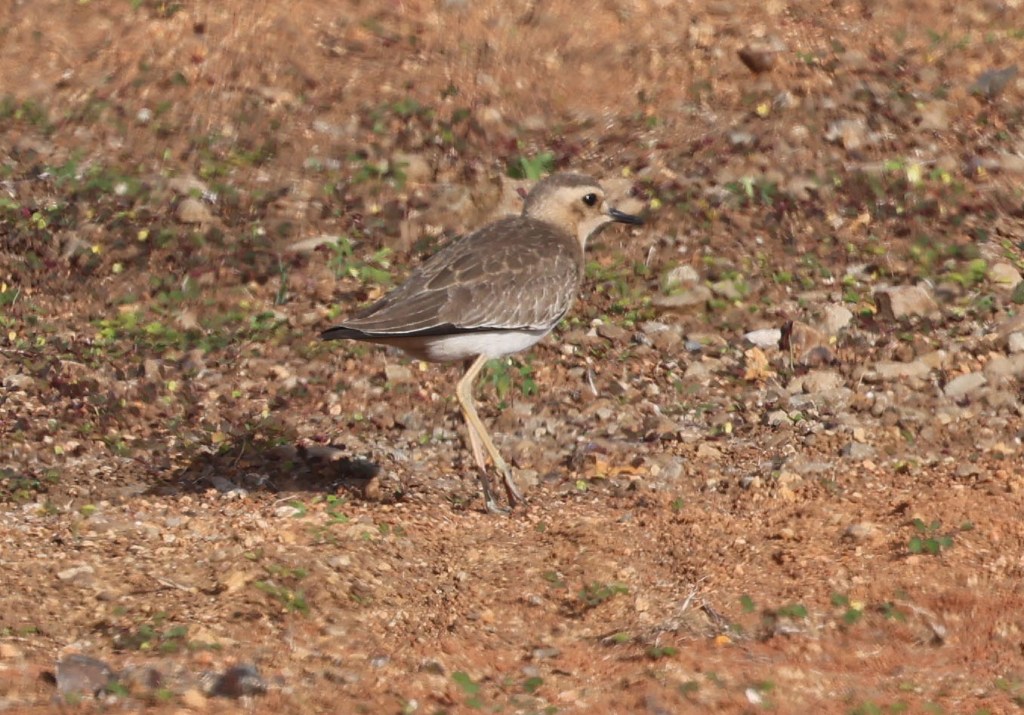
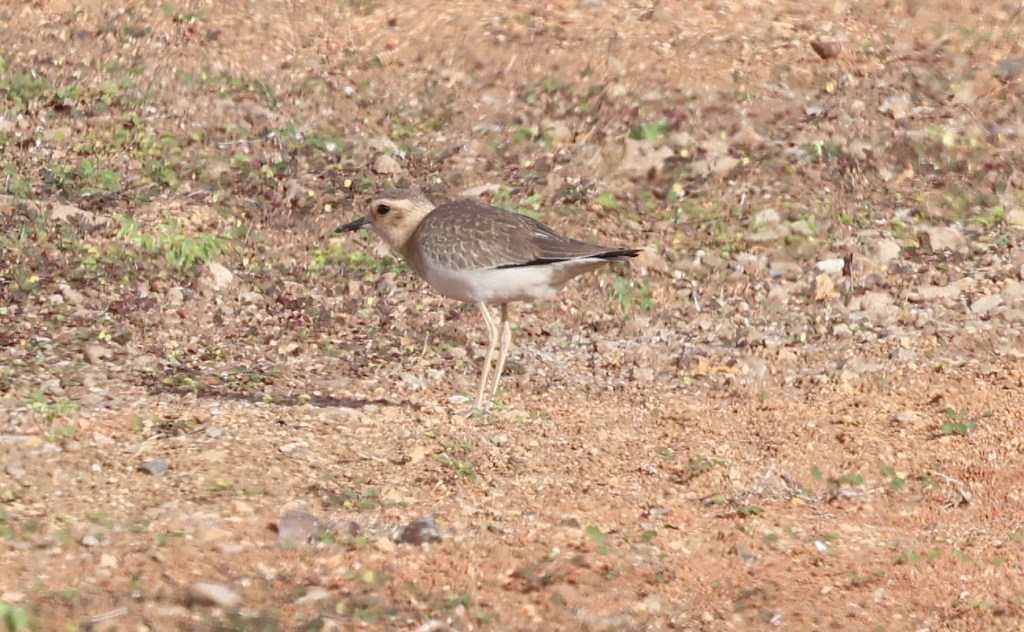
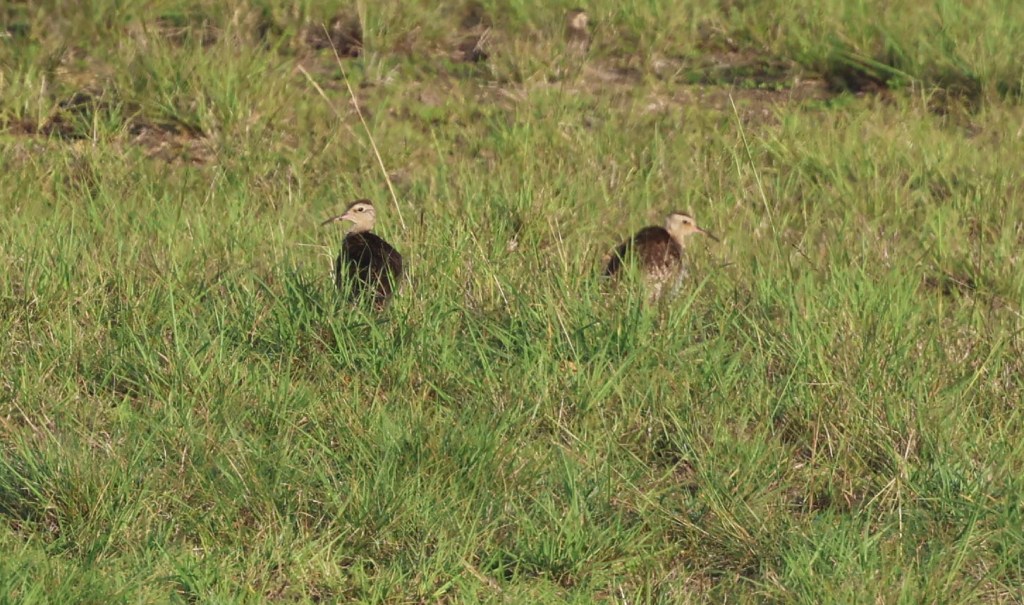
Oriental Plover, Alotao airstrip

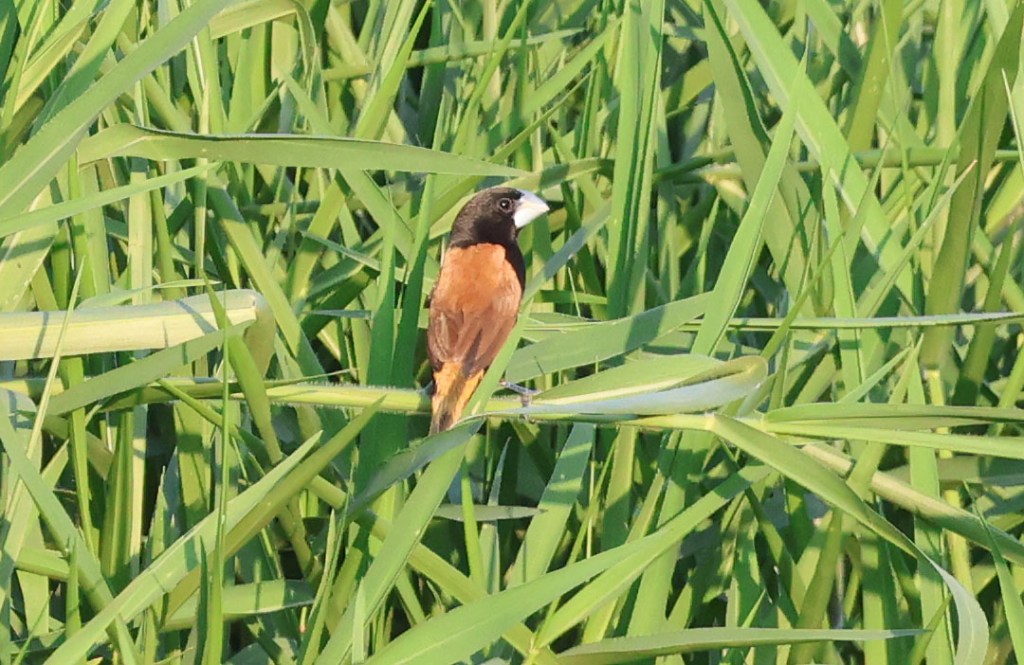
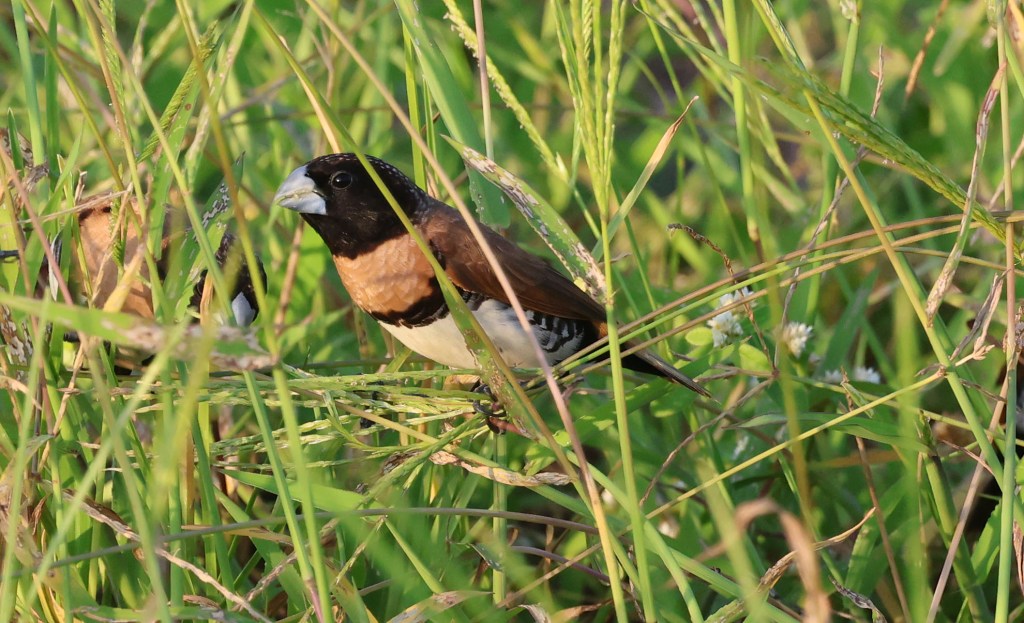
Grand Munia, Alotao

Chestnut-breasted Munia, Alotao

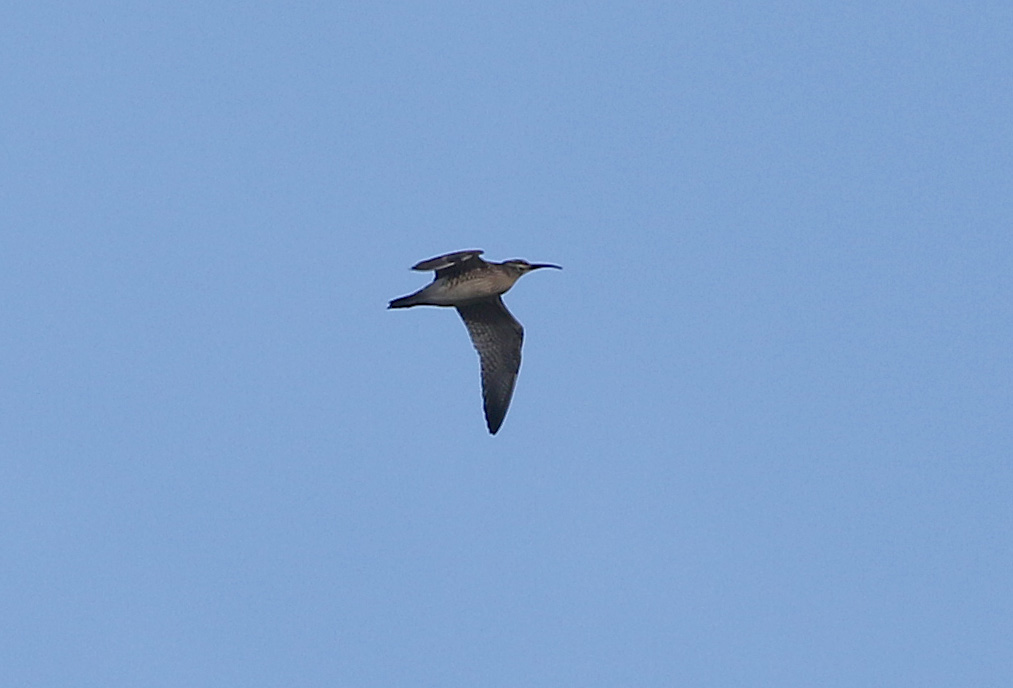
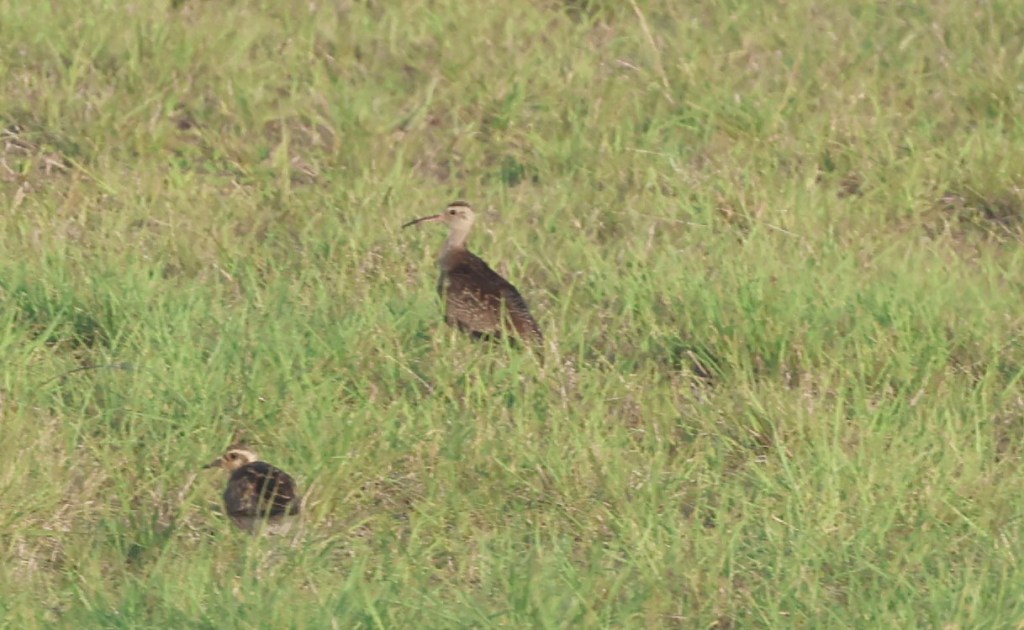
Little Whimbrel, Alotao

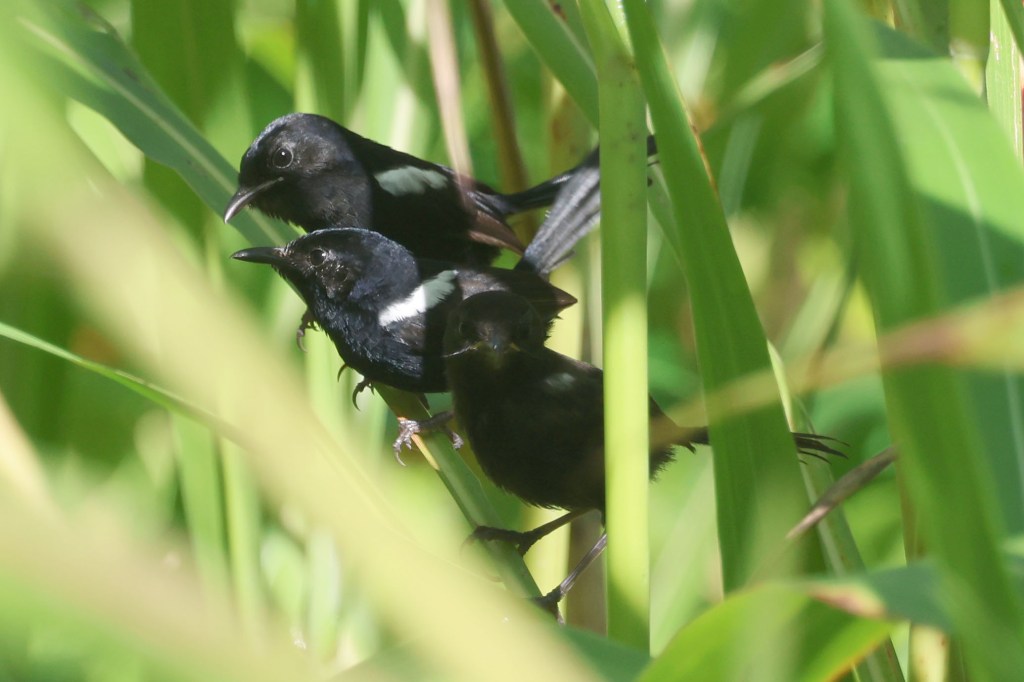
White-shouldered Fairy Wren, near Alotao

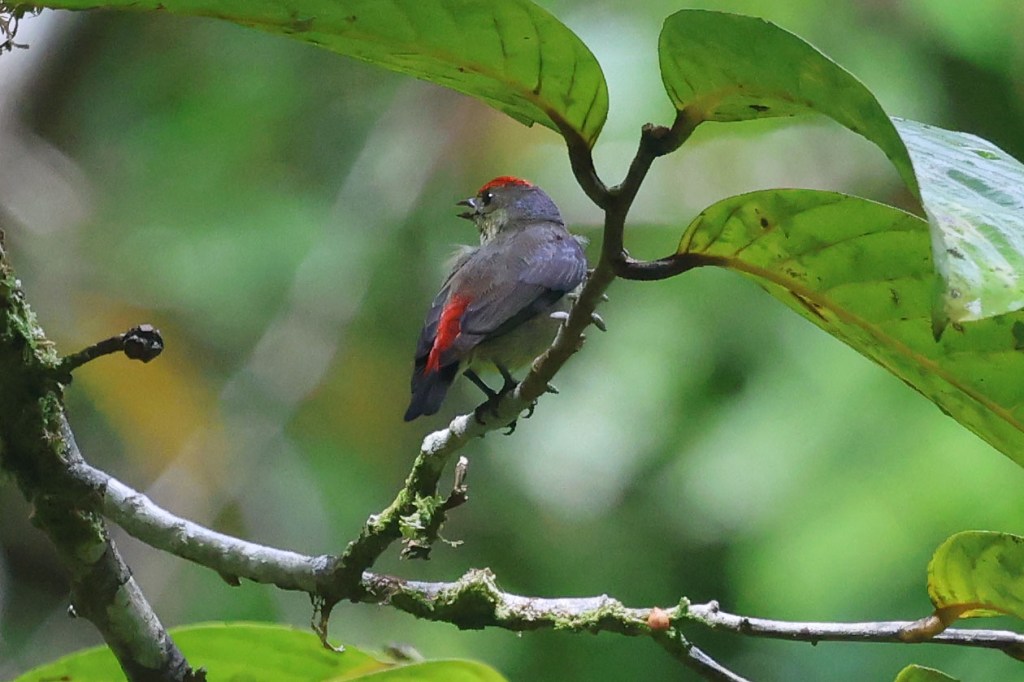
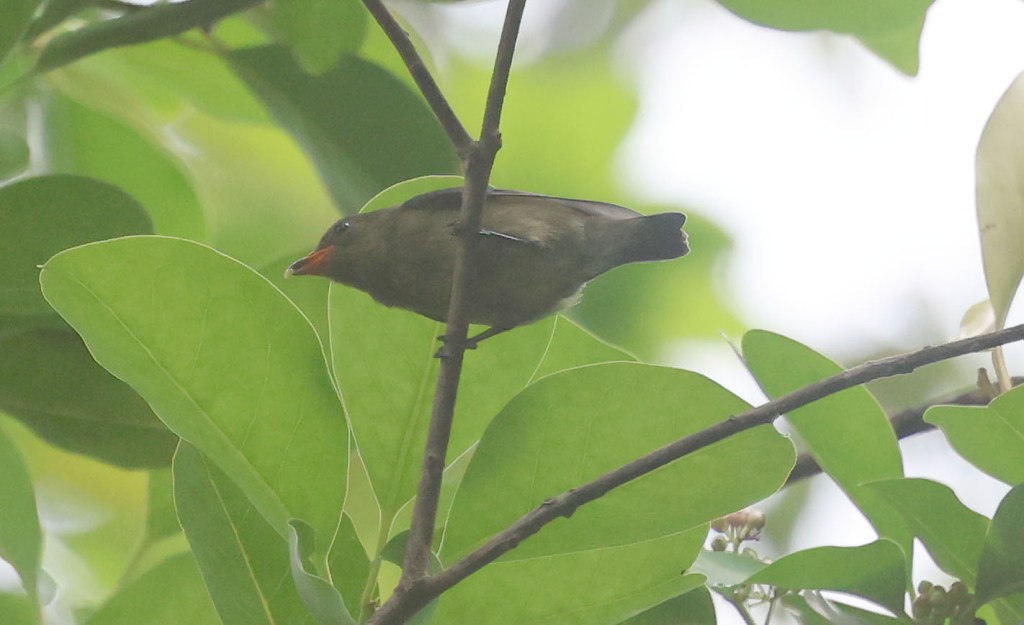
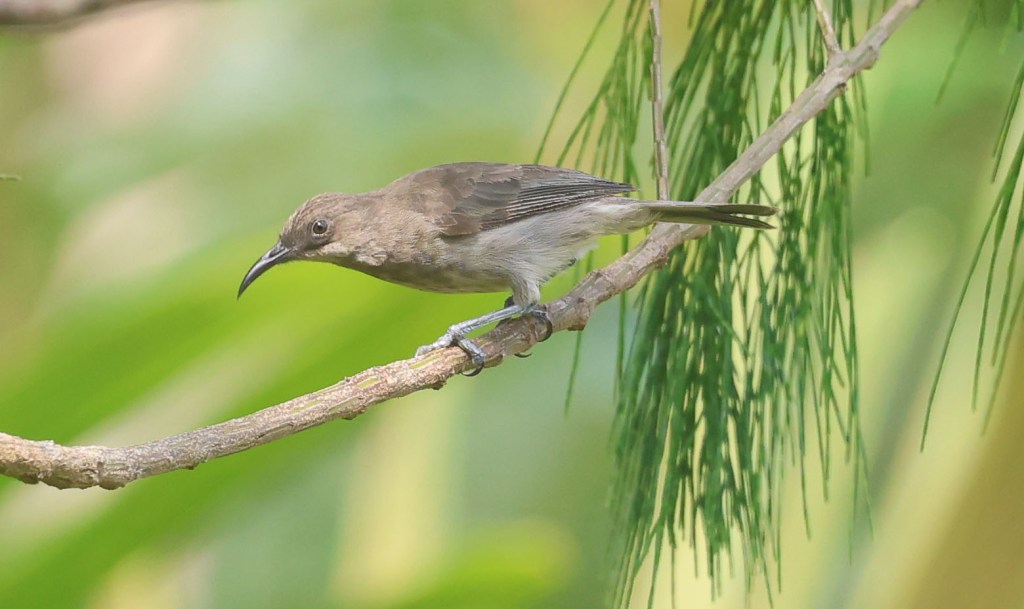
Red-capped Flowerpecker, Normanby

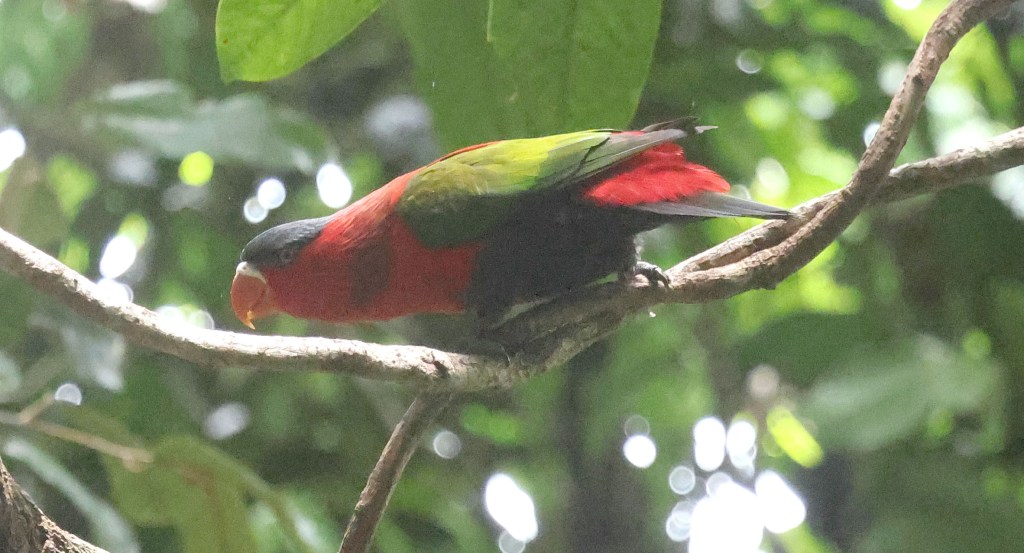
Purple-bellied Lory, Normanby

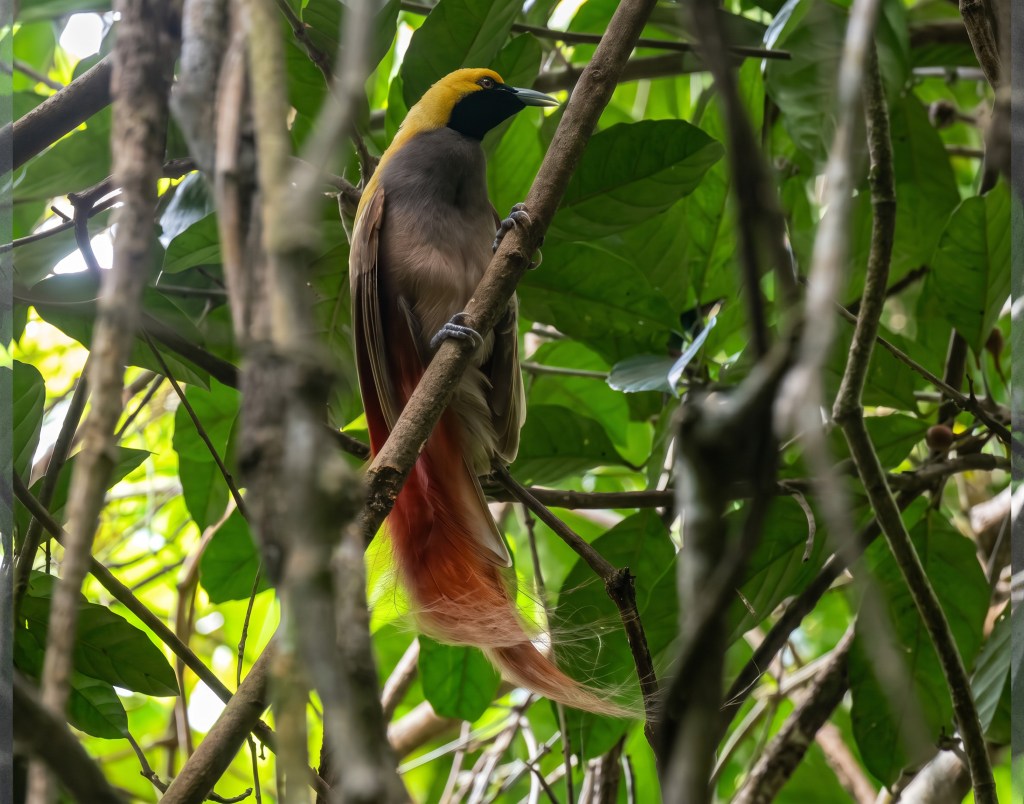
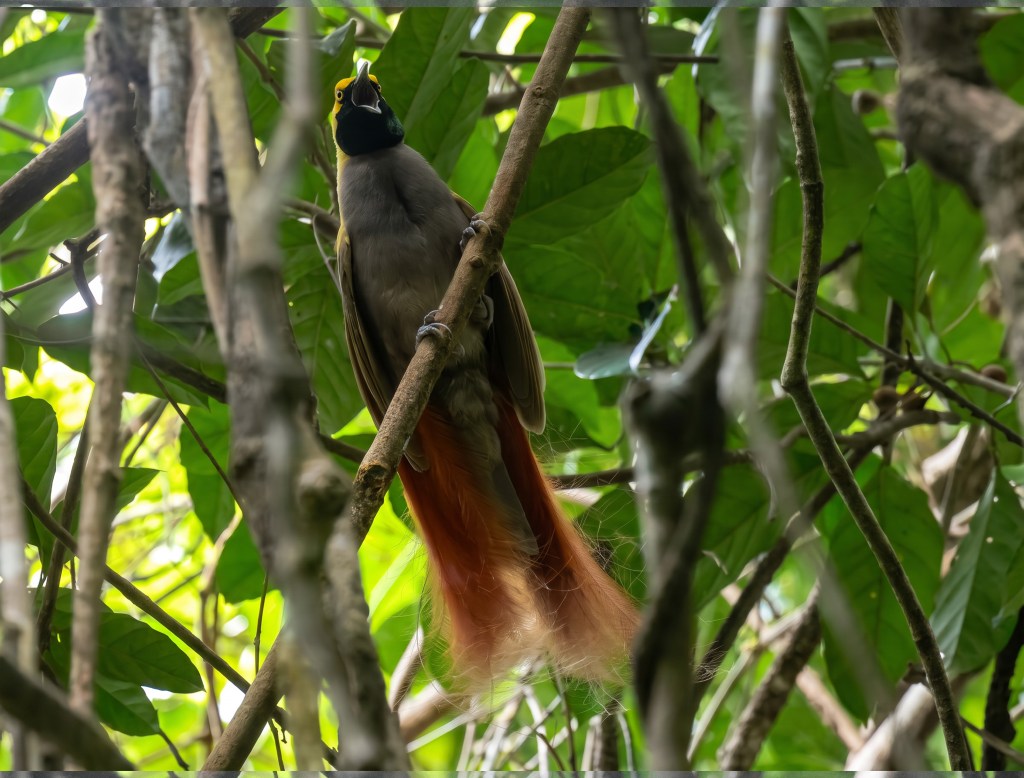
Goldie’s Bird-of-paradise, Normanby

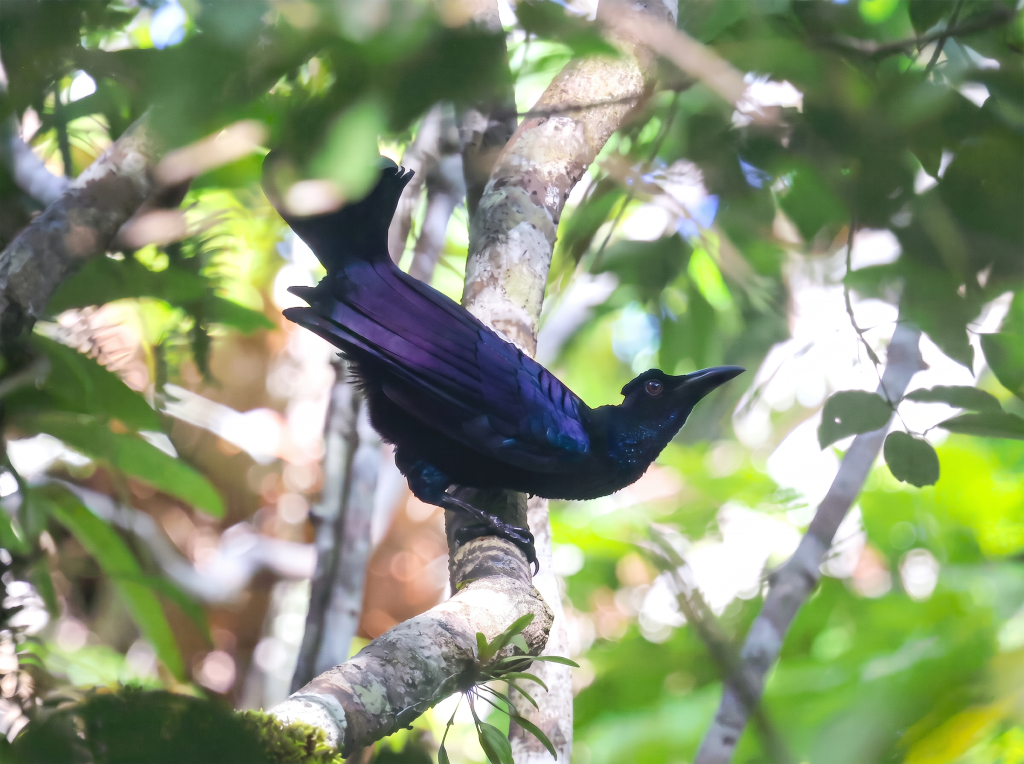
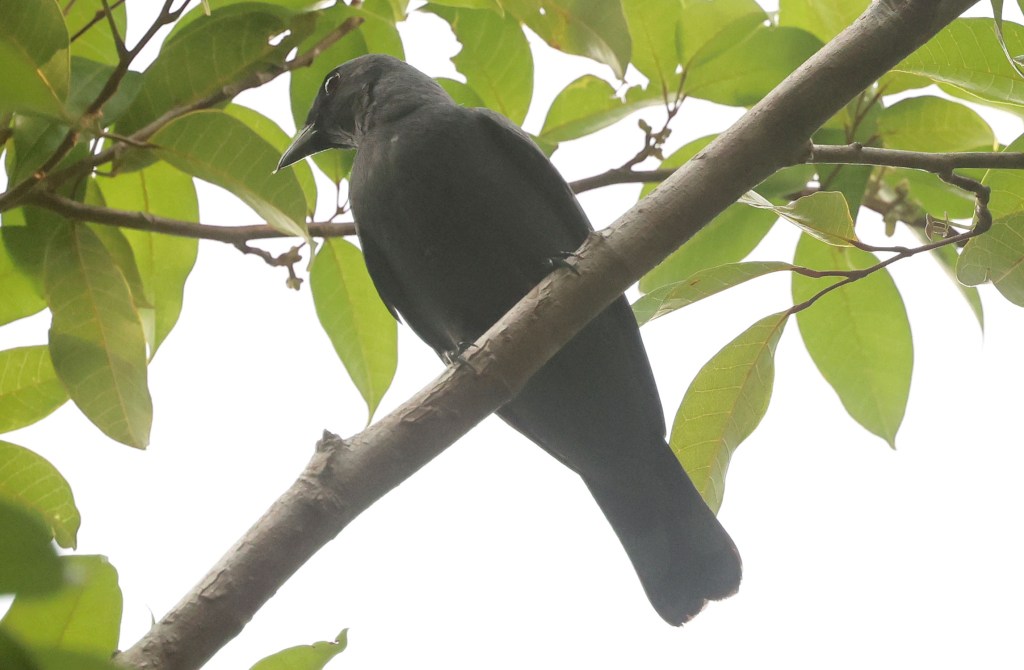
Curl-crested Manucode, Normanby

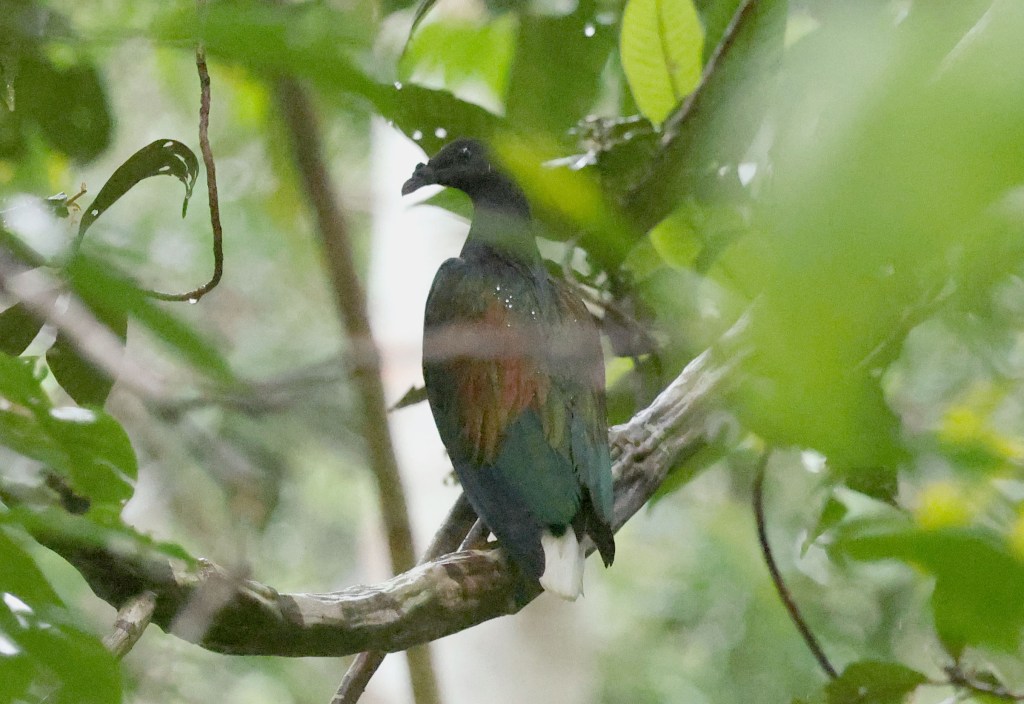
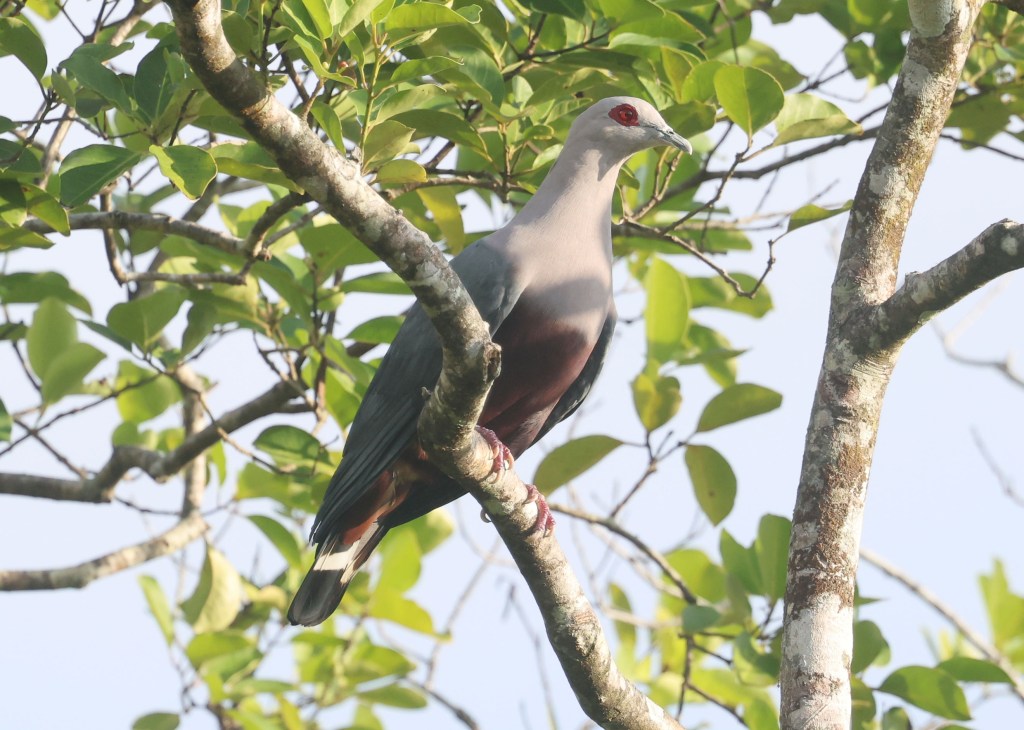
Nicobar Pigeon, Normanby

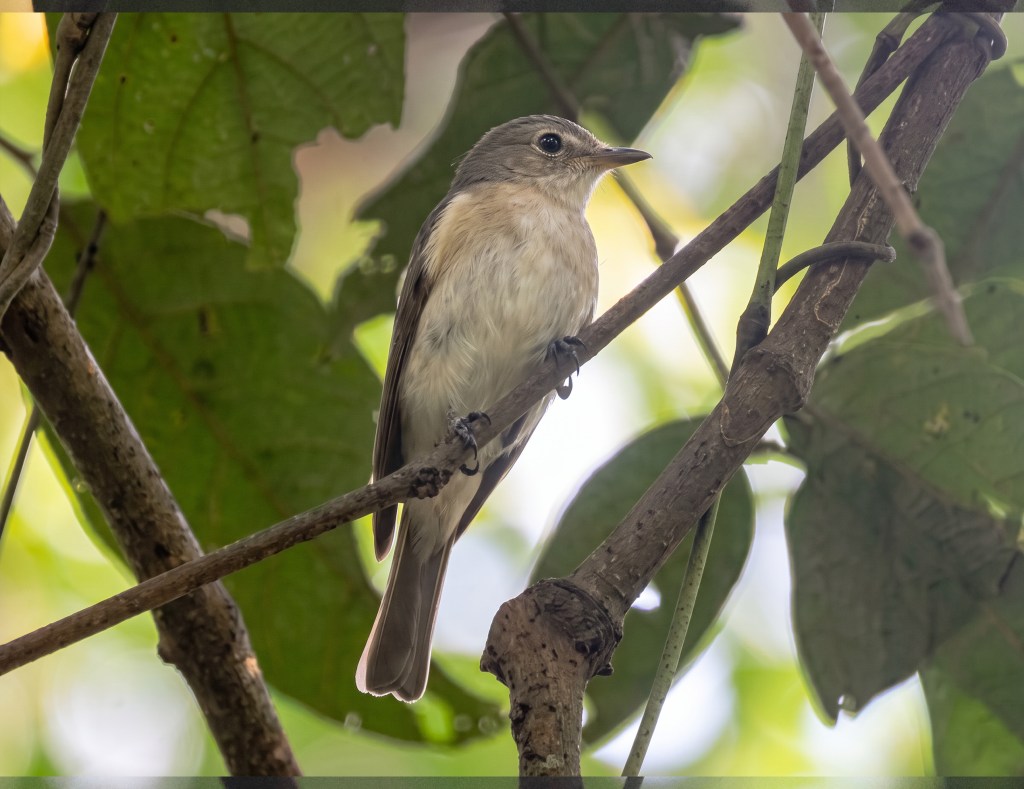
Grey Whistler, Normanby

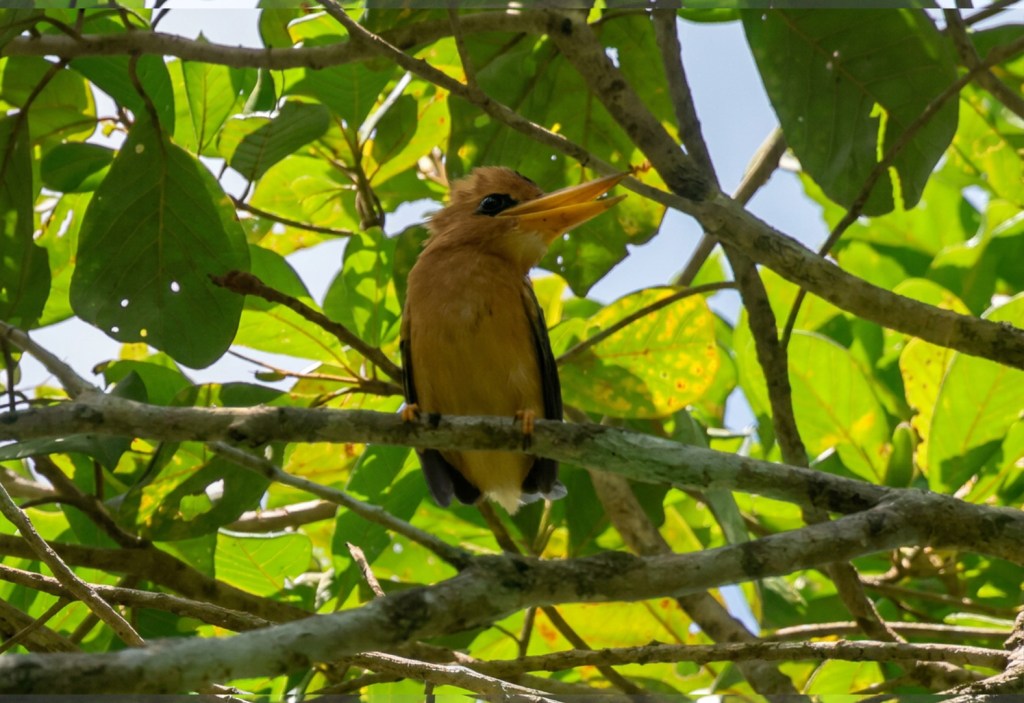
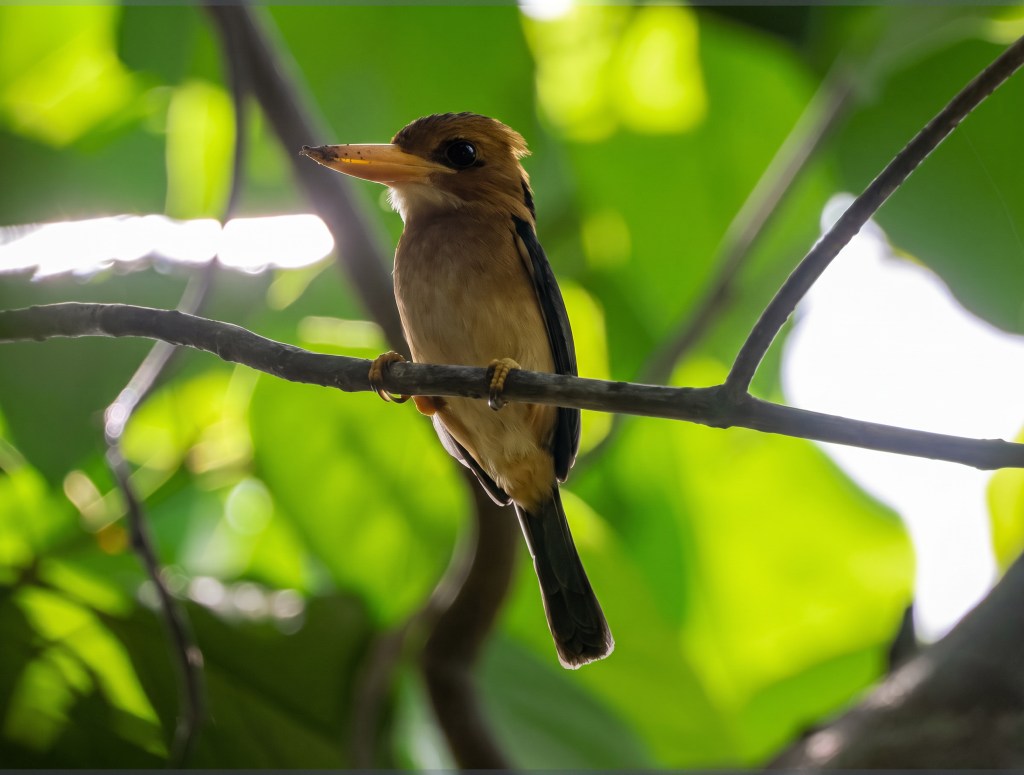
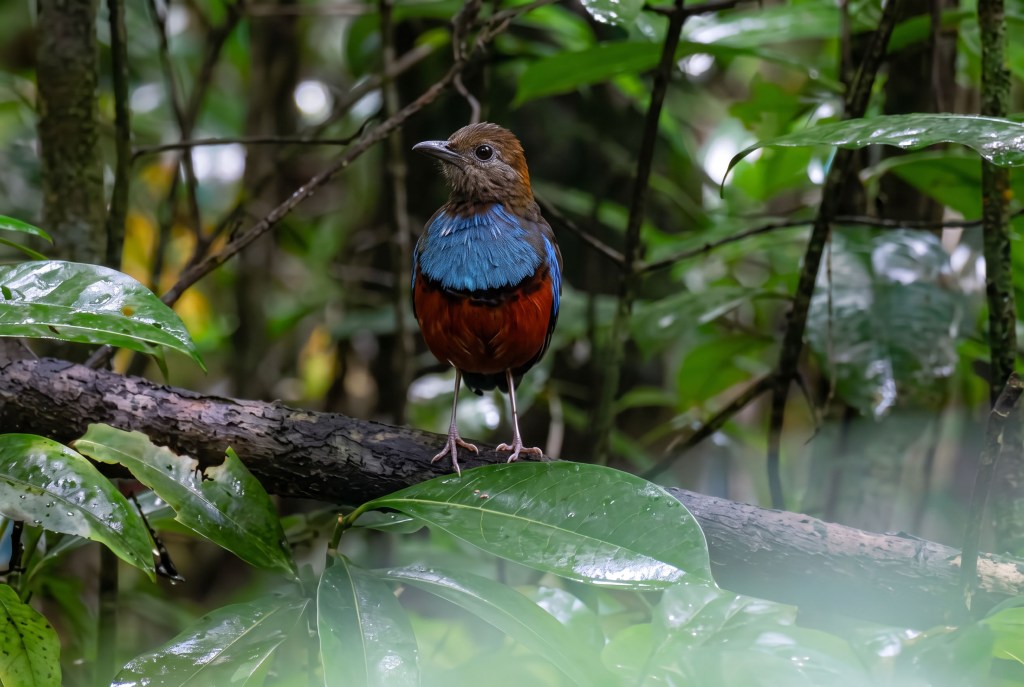
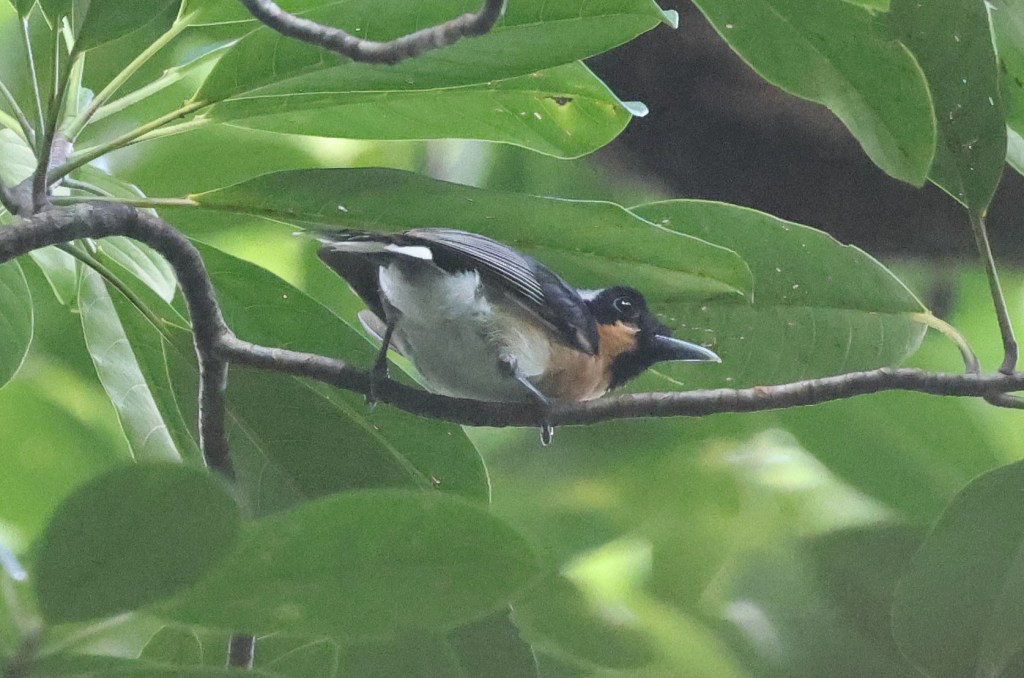
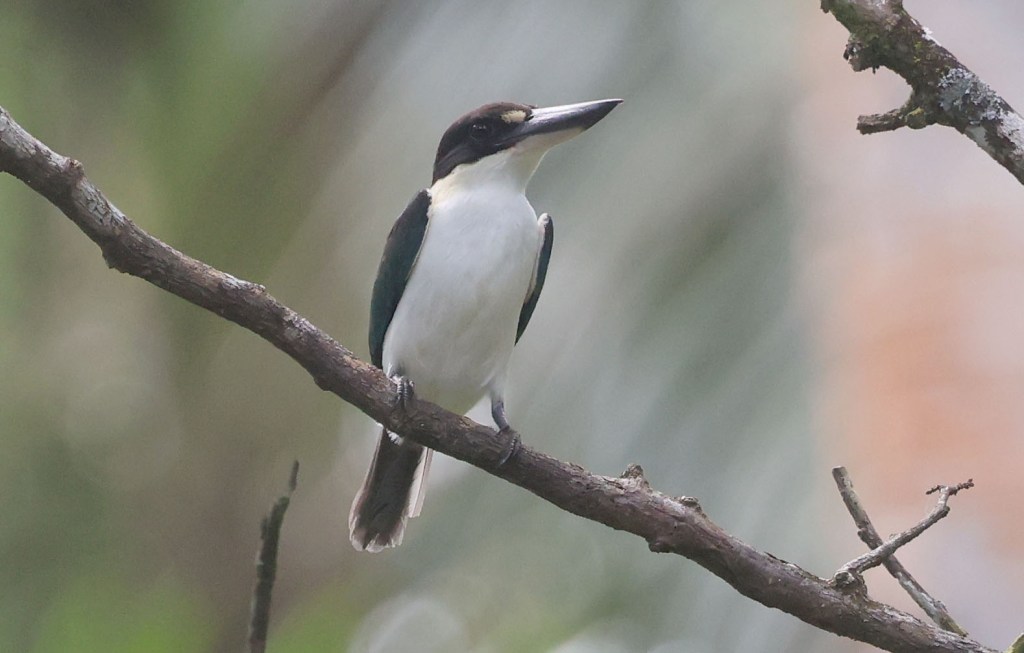
Ochre-bellied Kingfisher, Normanby

Tagula White eye

Tagula Manucode

Tagula Butcherbird

Louisiade Pitta

Louisiade Fantail

Louisiade Whistler

Louisiade Flowerpecker

Rossel Paradise Kingfisher

Rossel Cicadabird

Pinion Imperial Pigeon

Louisiade Spectacled Monarch

White-throated Myzomela

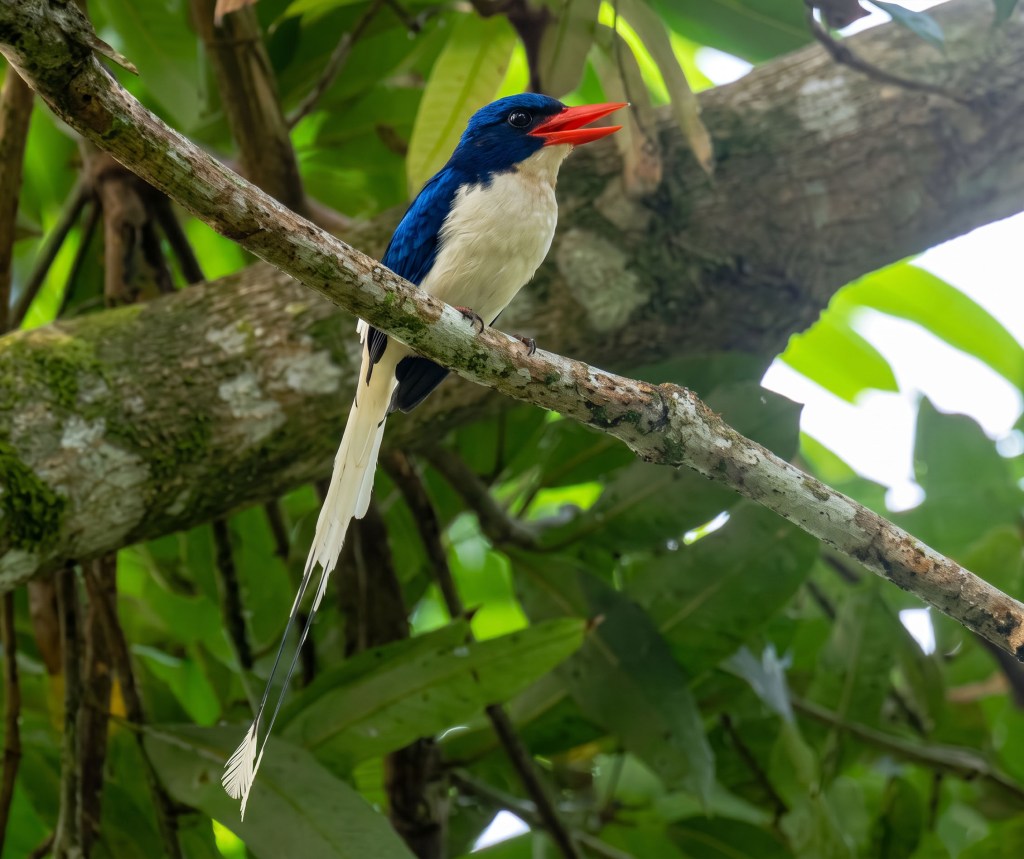
Islet Kingfisher

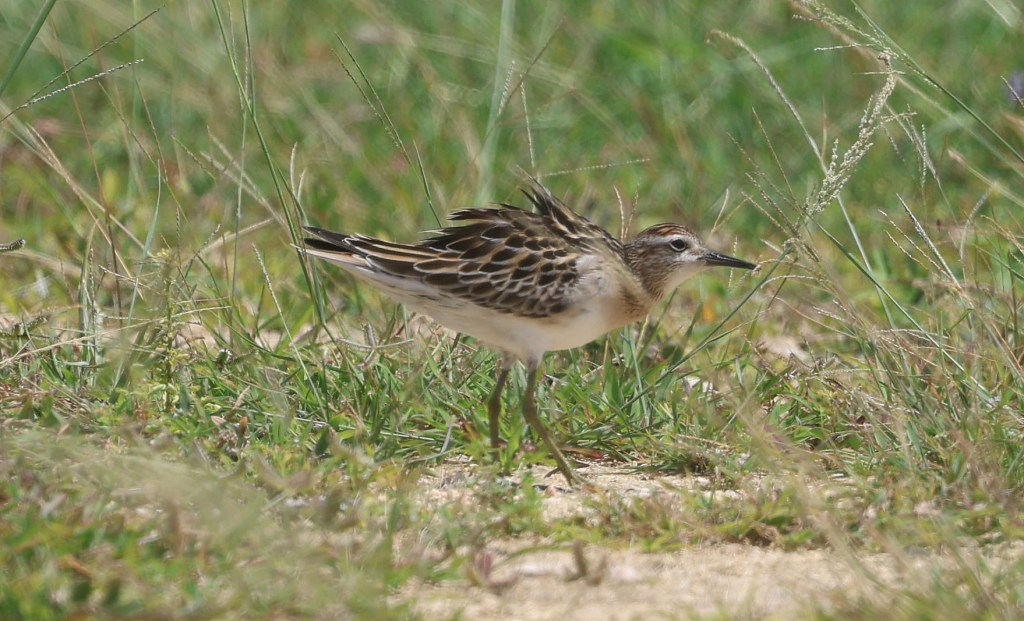
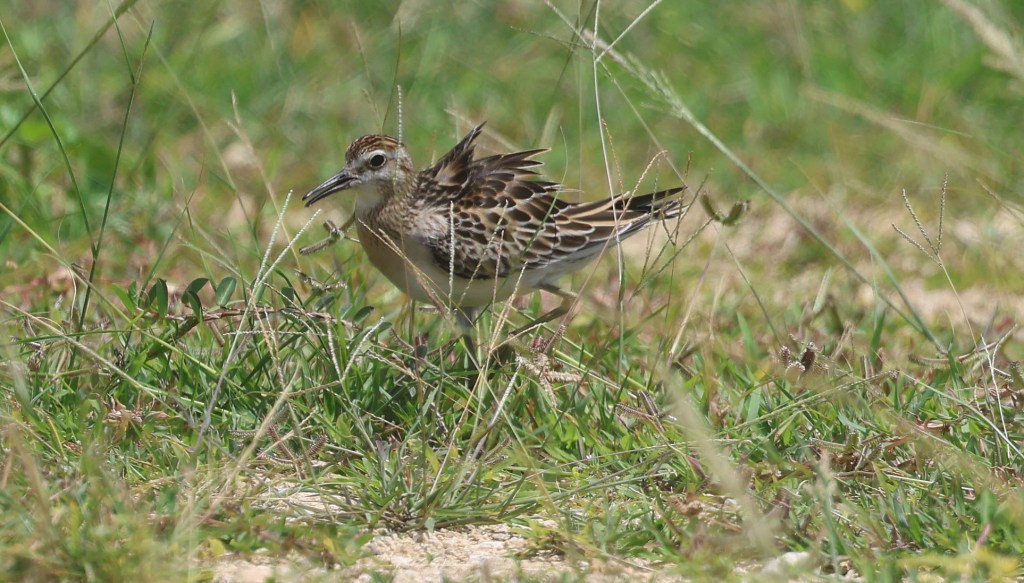
Sharp-tailed Sandpiper, Misima

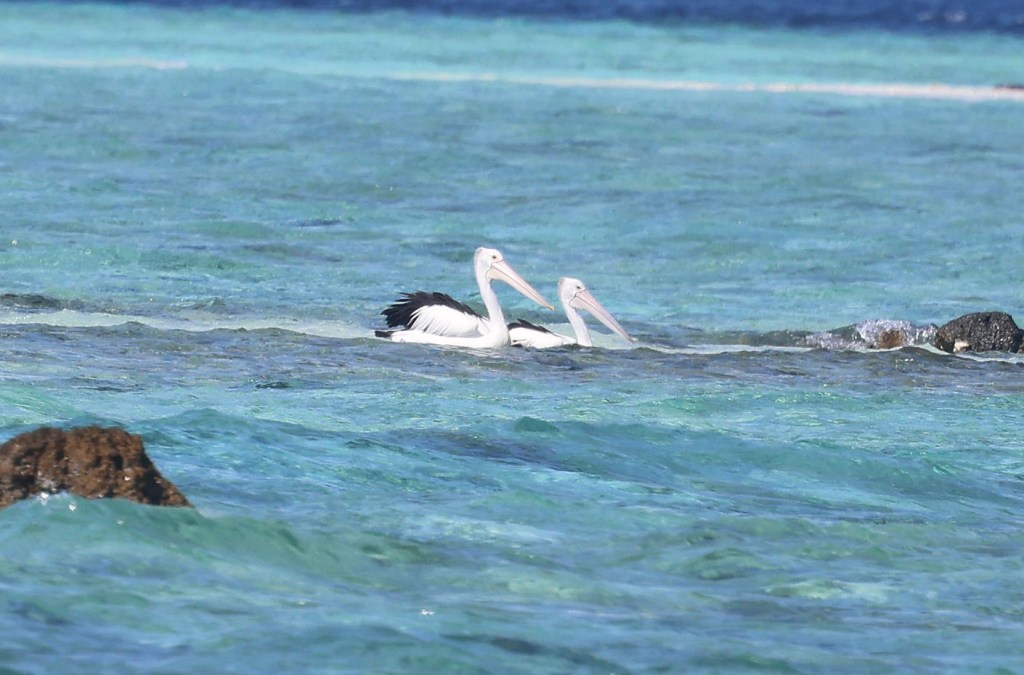
Australian Pelican

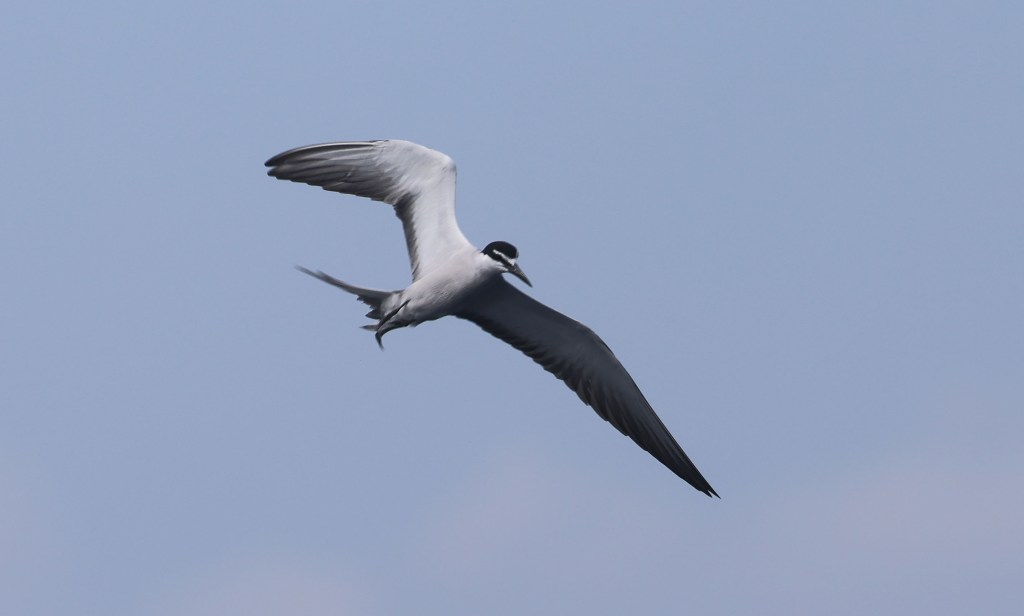
Bridled Tern

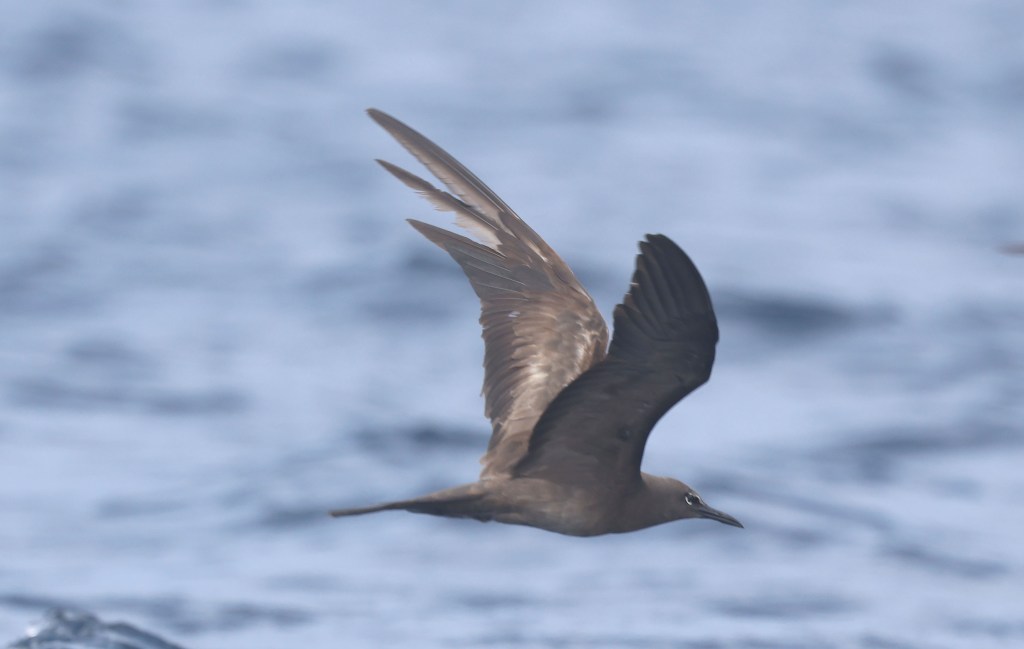
Brown Noddy

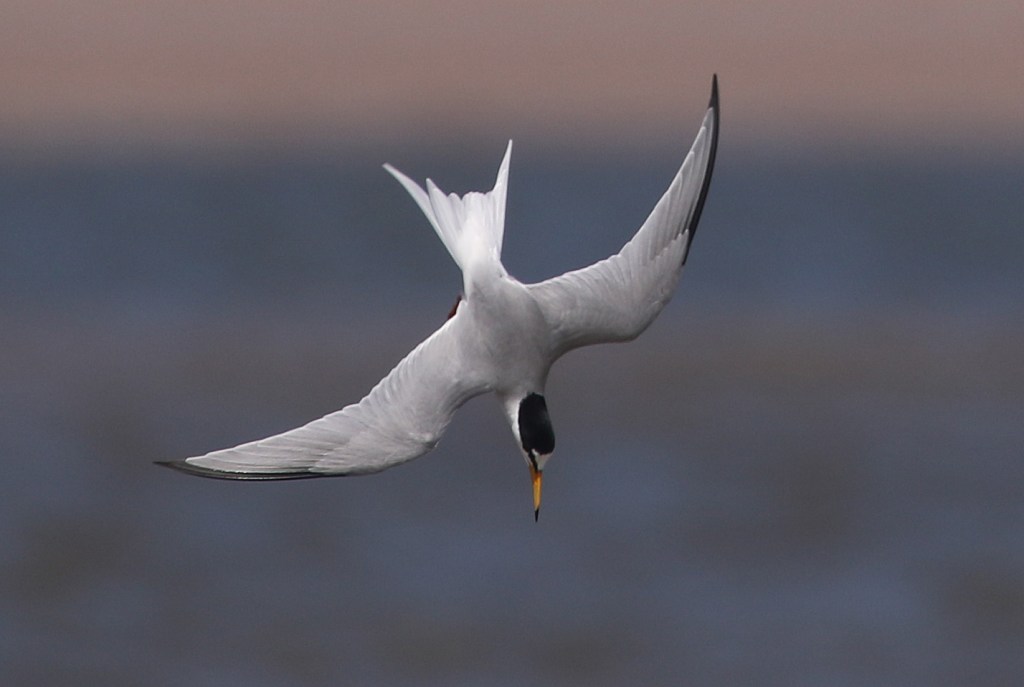
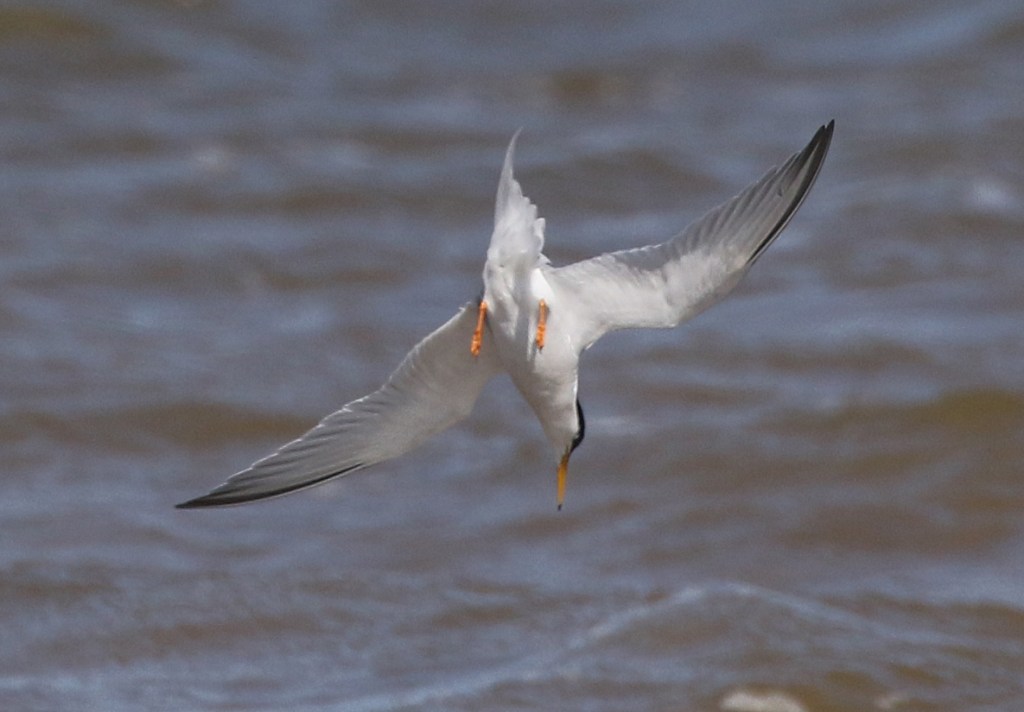
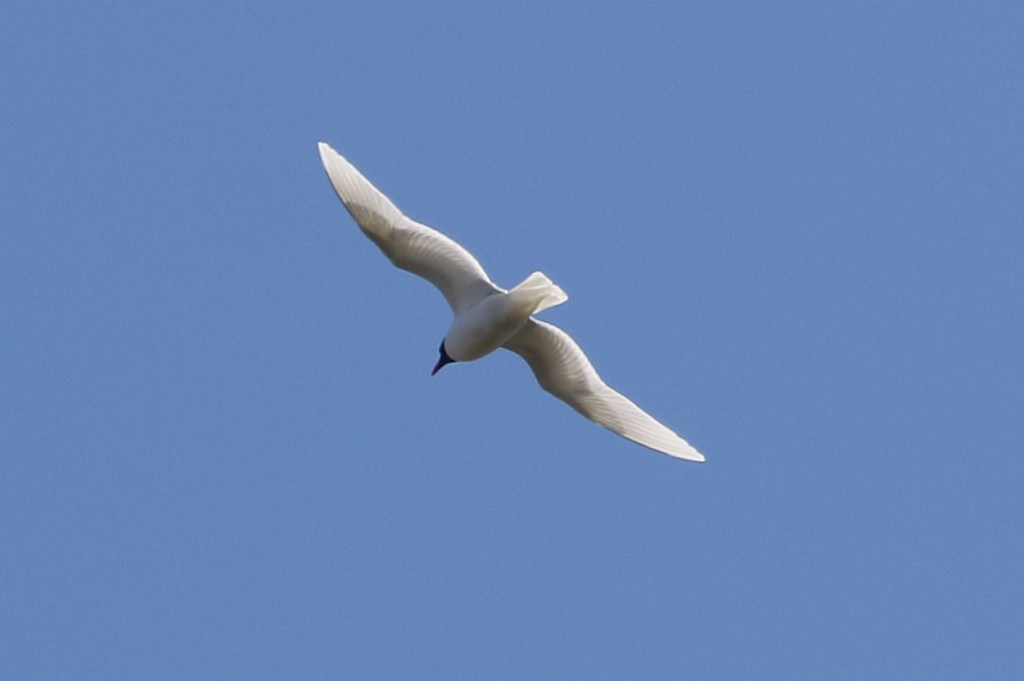
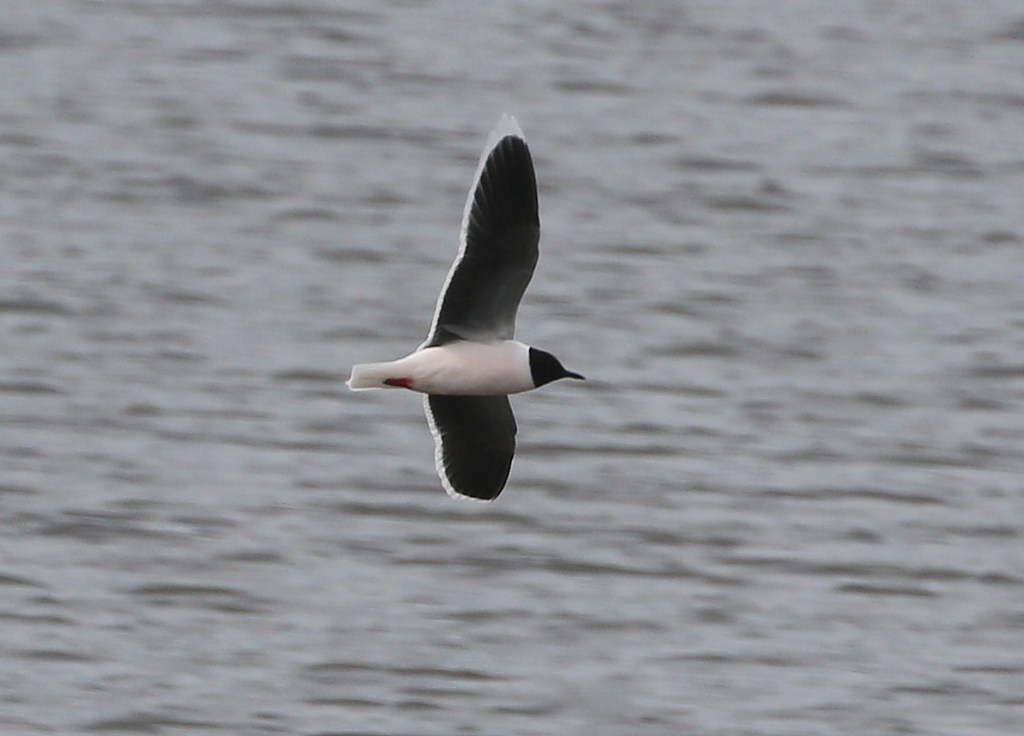
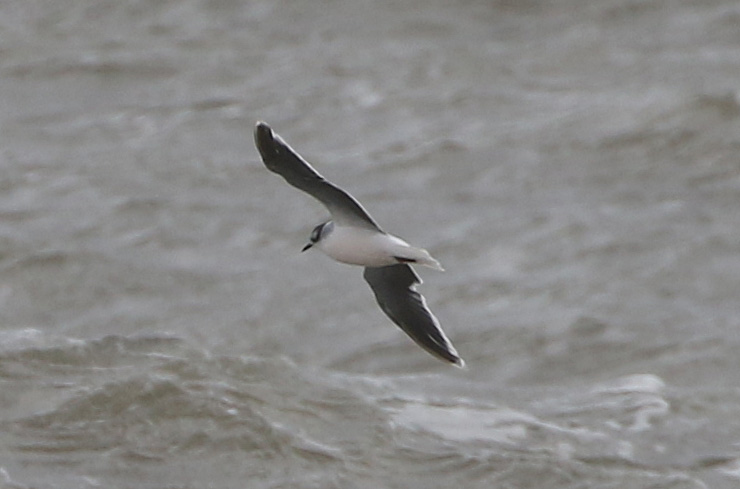
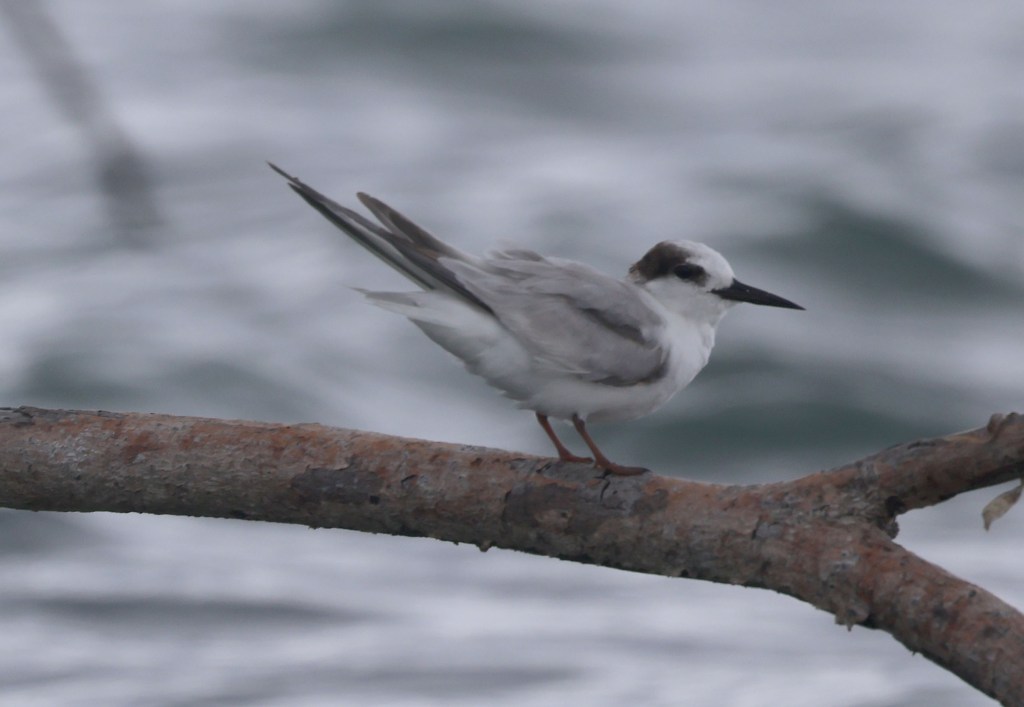
Little Tern

The rediscovery of D’entrecasteaux (Dwarf) Owlet-nightjar – Aegotheles plumifer from Normanby Island on 17th November 2026

D’entrecasteaux (Dwarf) Owlet-nightjar is only previously known from four specimens taken in 1883 which are now all in American Museum of Natural History. There were no further sightings until 2003 when Thane Pratt and Michael Moore recorded them on both Fergusson and Normanby. One from Normanby was collected and is now in Hawaii at Bernice Pauahi Bishop Museum.

Barred Owlet-nightjar Aegotheles bennettii has three recognised subspecies, wiedenfeldi, bennettii and plumifer. Plumifer is endemic to the D’entrecasteaux islands of Fergusson, Goodenough and Normanby Island in Milne Bay, Papua New Guinea. The usual elevation of Barred is from sea-level to 800m metres whereas D’entrecasteaux is more of an upland hill species – 465 to 1100m.

Part of the trail up.

Owlet-nightjars have long fascinated me mainly because of the challenge to see and photograph them not to mention their often-bizarre appearance. After seeing Karimui Owlet-nightjar in 2016 which was driven by my desire to rediscover it after 52 years I was looking for another owlet-nightjar challenge. The plumifer race of Barred seemed a good choice for that challenge as well as it being a good candidate for a ‘new’ species.

So in November 2026 along with my long-suffering birding bud Roger McNeill we set of on a hair brained banana boat journey to the Louisiade Archipelago to search for all the endemic species, once that mission was completed we set about travelling to Normanby. I had been there once before in July 2010, so after seeing the recently split Ochre-bellied Kingfisher I only had one thought which was to get as high as I could on the island aiming for 750m, that was the target elevation I had in mind.

The temporary camp at 550 m

The walk to the Goldie’s Bird-of-Paradise site was around 6km but was a gentle climb with some small river crossings, a little bit tough but nothing too exceptional, very hot and sweaty as expected. After a break to watch the Goldie’s we continued onwards and up aiming to get as far up the trail as possible. The walk was not so easy often walking along the riverbed across the boulders and many stream crossing until we eventually reached some gold miners camps, large blue tarpaulin shelters with enough room to put up two tents and build a fire. As we arrived late in the afternoon, we rested here for the rest of the day and much of the next day before deciding to push upwards to the ridge where I hoped we would find the owlet-nightjar. We set of at 1430 and climbed up to 550m and waited until nightfall. At 1900 as we were drinking some coffee we heard a sound which we immediately recognised as our target, it took some time before I eventually found one in the thermal and we managed to get the spotlights on it, after I had seen it I attempted to get some photographs which was all in the mad scramble to put thermal down, put torch back in my pocket get some balance to take some shots, I fired a few photos off before it flew off, looking at the back of the camera I saw that I had some sharp photos but a large leaf covered its face. What a mix of emotions – we saw it, great – but the desire and need to get great photos perhaps overrides the actual observations so I was actually not so pleased and rather, well you can guess. Roger was happy with his view and the sound recordings so he decided to head back to camp, the long potentially dangerous walk back down in the dark. I was driven by my desire to improve my photos all the time cursing myself on how I should have done better, one step forward maybe or one step to the side and I would have been satisfied. It was indeed a long wait until I heard it again this time lower down, as they were not tape responsive, I had to rely on creeping up and searching with my thermal as I have given up using the recordings I made earlier. This attempt to see was fruitless and as it had gone quiet and no sign in the thermal, I grumpily headed back up to the temporary shelter and drank more coffee, at around 2300 there was more calls from the same place down from the camp so I crept back down and I saw two birds flying around in the thermal and thankfully one perched side on and I was able to get some vastly improved photos, this time head in full view as well, actually pretty good pictures so I was pleased even though I was worried that the flash was bouncing of a closer tree. On this much longer view I was able to note several interesting plumage features I had not seen in that first panicked view.

In this photograph there are several areas around the face showing paler buffy areas which is not present in the mainland Barred Owlet-nightjars, the mantle and wing feathers are edged with pale brown rather than the greyer shown on the Barred.

side on view showing the obvious neck collar

In this the first hurried photo, the light vermiculation’s on the breast can be seen, I have never seen such a worn tail on a nightbird, maybe from being inside a nest hole during the breeding season, if they are at the end of the nesting period it would explain the complete lack of response to playback.

home for a couple of nights

Gold miners looking on as a couple of birders enter their territory

Barred Owlet-nightjar I saw in 2025 showing much heavier V pattern’s on the breast and a much greyer overall appearance.

Another photo of the same Barred Owlet-nightjar showing the heavy vermiculation’s on the breast.